|
Doplňující atributy :)
   
 Procházka Pražským hradem Procházka Pražským hradem
Stage 4. je v placené části hradu a tudíž z oficiálnich variant jsou možné pouze dvě.
1) Zaplatit vstupné, které ale neni nikterak malé a je buď na malý (250,- Kc) nebo velký (350,- Kc) okruh prohlídky celého hradu.
2) Pro odlov si zvolit dobu, kdy je stage přístupná zdarma, což je v době od 01.11. do 31.03. v čase 06:00 až 09:00 a 16:00 až 23:00 a v sezone 01.04. - 31.10. v case 05:00 az 09:00 a 18:00 az 23:00. Misto je ale moc krasne a za navstevu jiste stoji, jen ja osobne volim druhou variantu. Vyber je tedy na kazdem z vas, ale chci predejit neprijemnym diskuzim.
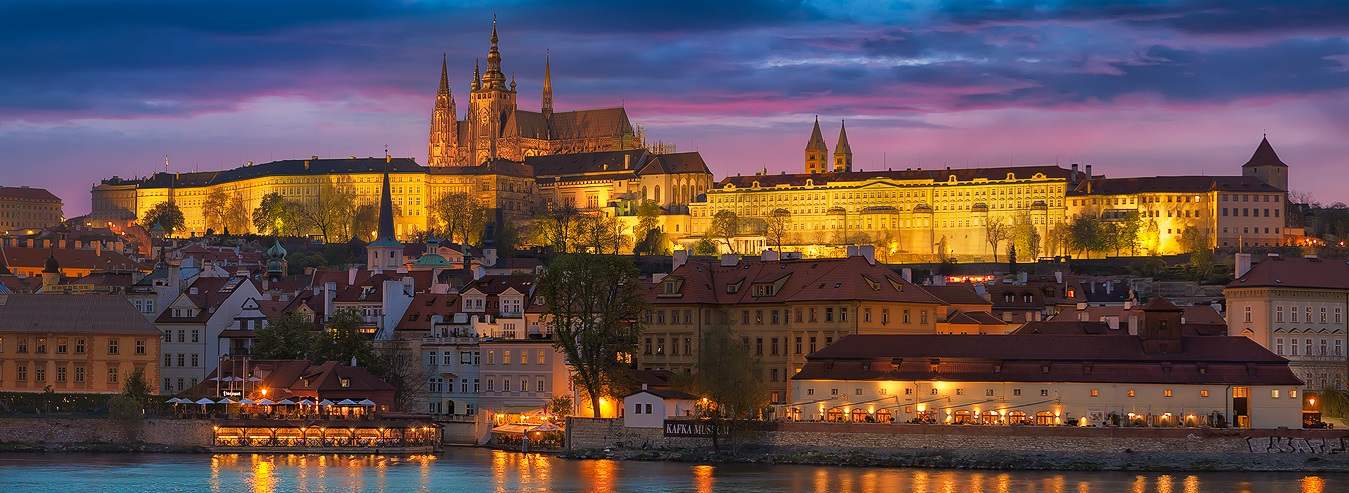
Tato cache by vás měla provést snad naší nejznámější a nejnavštěvovanější památkou a zároveň vám o ni možná něco nového prozradit. Myslím si, že Pražský hrad je nádherné a velmi zajimavé místo a svůj malý poklad si jistě zaslouží. Důstojné panorama Hradčan od nepaměti srostlo s představou Prahy. Nejen cizinci, ale i samotní pražané přicházejí znovu a znovu na Pražský hrad, aby si s obdivem prohlédli místa tak bohat na svou historii. Cenné archeologické nálezy nás přibližují stále více představě, jak asi tato památka vypadala v počátcích svých dějin a jak se její podoba v různých dobách vyvíjela. Z původního hradiště slovanského kmene Čechů vyrůstal ponenáhlu Hrad, obývaný knížaty a králi, měnil se, vzkvétal, upadal, znovu se vzpamatovával až nakonec dospěl k dnešní podobě. Ze stareho opevnění nad Jelením příkopem tu zůstaly tři věže: Mihulka, Bilá věz a Daliborka. Poněkud stranou stojí Černá věž, která bývala východní branou Pražského hradu. Daliborce dal jméno její první vězeň, rytíř Dalibor z Kozojed, také Bílá věž bývala vězením a Mihulka sloužila za prachárnu.
Výchozí souřadnice – N 50° 05.389 E 014° 23.911 - První nádvoří
Stojite na prvním nádvoří Pražského hradu, které je od Hradčanského náměstí odděleno mříží a kamennými sloupy na nichž stojí plastiky Ignáce Platzera, zpodobňující boj gigantů. Ty ponecháte za sebou a otočíte se čelem k Matyášově bráně, která bývá někdy označována za nejkrásnější barokní dílo v Čechách. Ještě než ji projdete na druhé hradní nádvoří, prohlédněte si ji zevnitř. Na štukovém stropě najdete ovál s A ornamenty po obvodu. Po levé ruce budete mít vchod do Sloupové síně, který je chráněn mřížovými vrátky, sestavajicími z B kulatých sloupků. Vpravo se vstupuje přes Pacassiho schodiště do reprezentativních prostor Pražského hradu.
Stage 1. – N 50° 05.415 E 014° 23.943 - Druhé nádvoří
Ocitli jste se na druhém hradním nádvoří jehož severní křídlo tvoří Španělský sál a Rudolfova galerie. Vaši pozornost jistě upoutá Kohlova barokní kašna a studna s kovaným baldachýnem, obojí ze 17. století. Na kašně spočítejte všechna písmena L a ziskate tak C. Na tomto nádvoří se také nachází kaple sv. Kříže, která vznikla v druhé polovině 18. století. Původně sloužila jako jídelna, později jako strážnice a dodnes je označována Klenotnicí. Prohlédněte si ji a zjistěte, kolik křizů ji zdobí. Výsledné číslo dosaďte za D.
Stage 2. - N 50° 05.417 E 014° 24.027 - Třetí nádvoří
Další zastávkou na vaší procházce bude třetí hradní nádvoří. Tady stojí chrám sv. Víta, jehož věže dodávají Pražskému hradu typického tvaru. Mohutná gotická stavba, nádherná vnitřní i vnější výzdobou (všimněte si například velmi zajímavých chrličů okapů!), je již sama o sobě jedinečnou stavitelskou památkou. Vše, co je ve chrámu ukryto by se dalo nazvat bez nadsázky pokladem, jelikož to přímo souvisí s historií našeho národa. Je tu hrobka českých králů se sarkofágy Karla IV., Jiřího z Poděbrad, Ladislava Pohrobka, kaple s ostatky sv. Václava, stříbrný sarkofág sv. Jana Nepomuckého a pečlivě uložené korunovační klenoty. Na nádvoří před chrámem stojí 18 metrů vysoký monolit, přivezený sem v roce 1928 z Mrakotinských lomů.
Východní stranu třetího nádvoří tvoří křídlo, které je historickým jádrem Pražského hradu a je označováno jako Kralovský palác. Středem je známý Vladislavský sál s krásnou gotickou klenbou. Více o této krásné stavbě v naší další keši ze série PraGeo - Starý královský palác. Vřele doporučuji, luštění a odlov vám nezabere více, než pár minut :).
Před tímto sálem najdete kašnu. Pokud se k ní postavíte šikovně, uvidíte těsně nad zemí E zamřížovaných okének.
Stage 3. - N 50° 05.468 E 014° 24.127 - Náměstí U Svatého Jiří
Kralovský palaác je gotickou chodbou spojen s oratoří chrámu sv. Víta. Chodba má F oken. Pod touto chodbou jste pravděpodobně prošli, aby jste se dostali na další souřadnice, které vás tentokráte přivedly na náměstí u Sv. Jiří. Zde stojí nejstarší zachovaná kostelní stavba Pražského hradu, románský kostel sv. Jiří. Založil jej v první polovině 10. století kníže Vratislav, jehož ostatky jsou zde uloženy, stejně jako ostatky sv. Ludmily. V ženském klášteře, který býval při chrámu, byla první abatyší Mlada, dcera Boleslava I., jejíž ostatky tu také odpočívají ve skleněné rakvi. Vaším úkolem bude spočítat kolečka (jako by rozklepané nýty) na dřevěných dveřích barokního průčelí baziliky a tím získáte G.
Stage 4. – N 50° 05.510 E 014° 24.237 - Zlatá ulička
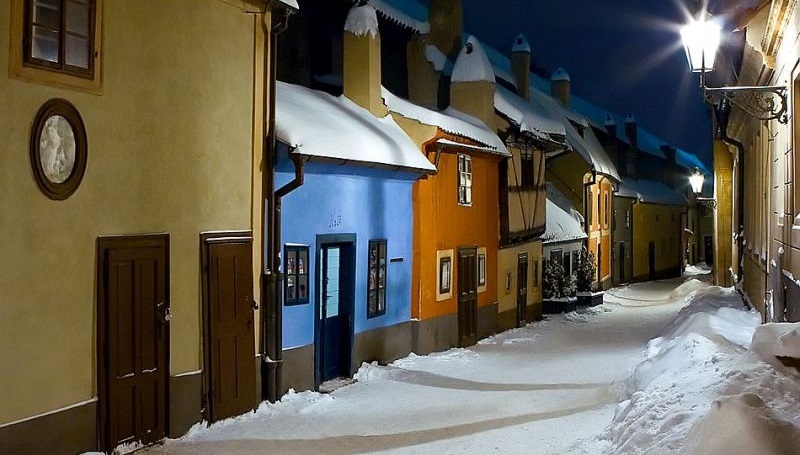
Poslední zastávka vaší dnešní hradní procházky je ve Zlaté uličce.Jde o uzounkou uličku s řadou miniaturních domků, které tu vznikly po požáru hradu v roce 1541. Byla to většinou obydlí hradních střelců a zlatníků. Domky jsou upraveny jako obchůdky a muzeum se svéráznými postavami a vnitřním zařízením, takže tvoří dokonalý obrázek někdejšího způsobu života jejich obyvatel. Vás bude ovšem zajímat domek s číslem No. 19. Před ním je malinkatá dvojzahrádka obehnaná plůtky. Plůtky tvoří celkem H minus 3 tenkých latěk a I sloupků.
Pokud se z nějakého důvodu do uličky nedostanete, je připraven náhradní sběr indicii H a I. Když se ze třetího hradního nádvoří vydáte ke Zlaté uličce, dostanete se k odbočce, která je již nazvána Zlatou uličkou a je přístupná. Po levé straně z řady domů vyčnívá červeno-růžový dům a vás bude zajímat jeho modré orientační číslo. Tak získáte indicii H. Pak se vrátite na hlavní třídu a budete pokračovat k východní bráně hradu. Po levé ruce budete mít i zde červený domek a na něm uvidíte číslo popisné a číslo orientační. Obě jsou totožné a pro vás je to indicie I.
Finále
Tak a jsme téměř u konce vaší procházky. Zbývá vypočítat výsledné souřadnice a opatrně se pokusit odlovit finálovku. Protože jste na opravdu velmi frekventovaném místě, může to být ten nejtěžší oříšek. Cache najdete na:
N 50° (F-F)(B-E-C).(A/D)(D+E)(H/I)
E 14° (G-H-1).(E-D)(G/G)(H/C-C)
Kontrolní součet všech počítaných indícií je 162.
Charakter cache
Cache je magnetická nano cache, na jejíž odlov nepotřebujete žádnou specialní výbavu, kromě tužky na zalogování. Lze ji odlovit jako oddechovou popracovní. Vyžaduje pouze trpělivost a trošku štěstí.
Strasně moc děkuji Galdrovi za překlad tohoto listingu do němčiny. Nebýt jeho, tak by zatím zůstala turistům zcela nepřístupná. Honzi máš to u nás, ještě jednou díky. Další obrovský dík patří Michalovi z Dorcadion teamu, který udělal překlad do angličtiny. Míšo díky, také to máš u nás.
 A walk around The Prague Castle A walk around The Prague Castle
WARNING - READ ATTENTIVELY PLEASE! Stage 4 is placed in the castle area with paid access. You have two possibilities: 1) pay entrance fee or 2) visit the locality in daytime when is access free (November 1 – March 31 in 6 – 9 AM and 4 -11 PM; April 1 – October 31 in 5 – 9 AM and 6 – 11 PM).
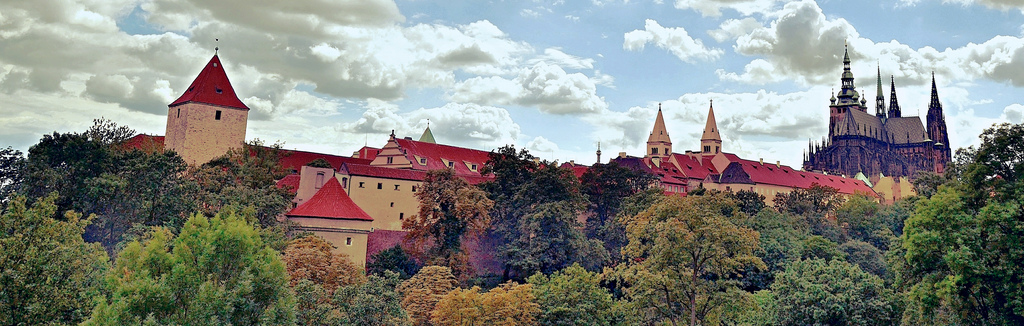
This cache wants to show you probably the most visited and best known jewel of Prague’s architecture heritage – The Prague Castle. The Prague Castle is a huge complex of buildings (dated from Romanesque to the recent era) where the Czech kings, Holy Roman Emperors and presidents of Czechoslovakia and the Czech Republic have had their offices. The crown jewels of the Bohemian Kingdom are kept here. Prague Castle is one of the biggest castles in the world (according to Guinness Book of Records the biggest ancient castle) at about 570 meters in length and an average of about 130 meters wide.
The history of the castle stretches back to the 9th century. The first walled building was the church of Our Lady. The Basilica of Saint George and the Basilica of St. Vitus were founded in the first half of the 10th century. The first convent in Bohemia was founded in the castle, next to the church of St. George. A Romanesque palace was erected here during the 12th century. In the 14th century, under the reign of Charles IV the royal palace was rebuilt in Gothic style and the castle fortifications were strengthened. In place of rotunda and basilica of St. Vitus began building of a vast Gothic church, that have been completed almost six centuries later. During the Hussite Wars and the following decades the Castle was not inhabited. In 1485 King Ladislaus II Jagello begins to rebuild the castle. The massive Vladislav Hall (built by Benedikt Rejt) was added to the Royal Palace. Then were also built new defense towers on the northern side of the castle. A big fire of 1541 destroyed large parts of the castle. Under Habsburgs some new buildings in renaissance style appeared here. Ferdinand I built Belvedere, summer palace for his wife Anne. Rudolph II used Prague Castle as his main residence. He founded the northern wing of the palace, with the Spanish Hall, where his precious artistic collections were exhibited. Second Prague defenestration in 1618 began the Bohemian Revolt. During the subsequent wars the Castle was damaged and dilapidated. Many works from the collection of Rudolph II were looted by Swedes in 1648, in the course of the Thirty Years' War. The last major rebuilding of the castle was carried out by Queen Maria Theresa in the second half of the 18th century. Ferdinand V after abdication in 1848 chose Prague Castle as his home.
In 1918 the castle became the seat of the president of the new Czechoslovak Republic. The New Royal Palace and the gardens were renovated by Slovenian architect Joze Plecnik. Renovations continued in 1936 under Plecnik's successor Pavel Janak.
Starting coordinates – N 50° 05.389 E 014° 23.911
You are on the First castle courtyard, which is detached from the Hradcany square by a massive grille and stone columns with statues of giants from Ignatius Platzer. If you will go through the baroque Matthew’s gate to the Second castle courtyard, look overhead and on stucco ceiling. There is a oval with A ornaments around it. On the left hand is entrance to the Pillared Hall, which is protected by a grille gate from B rounded columns. On the right is Pacassi Stairway.
Stage 1. - N 50° 05.415 E 014° 23.943
You are on the Second castle courtyard (its northern wing is a New Royal Palace with Spanish Hall and Rudolph Gallery). Catch the attention of Kohl’s baroque fountain and well with forged hood, both from the 17th century. Count all „L“ letters on the fountain and obtain C. On the courtyard is also St. Cross chapel (18th century), overlook it, count all crosses and obtain D.
Stage 2. - N 50° 05.417 E 014° 24.027
You are on the Third castle courtyard, where is St.Vitus (Guy) cathedral. Saint Vitus's Cathedral is the the seat of the Archbishop of Prague. The full name of the monumental church is St. Vitus, St. Wenceslas and St. Adalbert Cathedral. Cathedral contains the tombs of many Bohemian kings is an excellent example of Gothic architecture and is the biggest and most important church in the country. On the courtyard is also 18 m high granite monolith and on the eastern side is wing, which is a historic heart of the Castle.
There we recommended to take a look at our next cache from PraGeo - Old Royal Palace. Solving this puzzle will take about a few minutes :)
In the front of this so called Old Royal Palace is another small fountain and if you will locate the proper position, you will be able to find E small grilled windows here.
Stage 3. - N 50° 05.468 E 014° 24.127
The Old Royal Palace is connected by a gothic passage with the cathedral. The passage has F windows. You will go ahead under this passage to the next coordinates on the St. George square. Where still stands the oldest preserved church building in the castle area – Romanesque St.George‘s basilica founded in the first half of tje 10th century. Your task here is easy - count the circlets (looks as rivets heads) on the wooden doors of the baroque basilica’s face and obtain G.
Stage 4. – N 50° 05.510 E 014° 24.237
The last stage of our journey is here, in the Golden Lane. The Golden Lane originated after the construction of the northern wall of the Castle. The area of the northern bailey was used for the building of modest dwellings, which are now the last remainder of the small-scale architecture of Prague Castle. The tiny houses were occupied until World War II, but already during the period of the First Republic care was taken to ensure that the picturesque character of the lane was not changed in the course of modifications. You have to find house with number 19, where is tiny double-garden protected by a small fences. The fences are formed from H minus 3 lathes and I small columns.
The Finale
...so we finished our small trip and cache is close to us. Magnetic microcache (on the very muggled locality, so be careful!) is on following coordinates:
N 50° (F-F)(B-E-C).(A/D)(D+E)(H/I) )
E 14° (G-H-1).(E-D)(G/G)(H/C-C) )
Control checksum of all obtained numbers A-I is 162
 Spaziergang durch die Prager Burg Spaziergang durch die Prager Burg
Bitte beachten – Lest aufmerksam!Station 4. befindet sich in dem Bereich der Burg, wo Eintrittsgeld verlangt wird, somit sind nur zwei offizielle Varianten möglich. 1. Eintrittsgeld zahlen, das keineswegs gering ist, für eine kleine Besichtigungsrunde der Burg (250,- CZK) oder eine große (350,- CZK). 2. Hebt den Cache im Zeitraum, in dem die Station umsonst zugänglich ist, vom 01.11. bis 31.03. zwischen 06:00 und 09:00 Uhr und 16:00 bis 23:00 und in der Saison vom 01.04. - 31.10. zwischen 05:00 und 09:00 Uhr und 18:00 bis 23:00. Der Ort ist sehr interessant und eine Besichtigung sicher empfehlenswert, ich persönlich würde aber die zweite Variante wählen. Wer was wählt, kann jeder für sich entscheiden, ich möchte hier nur unangenehmen Diskussionen vorbeugen.
Dieser Cache führt Euch zu unserer bekanntesten und meist besuchten Sehenswürdigkeit und verrät Euch möglicherweise auch noch etwas Neues über sie. Die Prager Burg ist ein wunderschöner und interessanter Ort und meiner Meinung nach hat sie sich ihren kleinen Schatz verdient.
Das erhabene Panorama Hradcany ist seit Ewigkeiten mit der Vorstellung von Prag verbunden. Ausländer wie Prager kommen immer und immer wieder zur Prager Burg, um diesen historischen Ort zu bewundern. Dank wertvoller archäologischer Funde kommt man langsam der Vorstellung immer näher, wie dieser Ort zu Beginn seiner Geschichte aussah und wie er sich im Laufe der Zeit entwickelte. Aus der ursprünglichen Burgstätte des slawischen Stammes der Tschechen wurde allmählich eine Burg, die Fürsten und Könige bewohnten, die sich veränderte, aufblühte und wieder verfiel, sich erneut erholte, bis sie am Ende zu ihrer heutigen Form wuchs.
Ausgangskoordinaten – N 50° 05.389 E 014° 23.911
Ihr steht im ersten Innenhof der Prager Burg, der vom Marktplatz Hradcany durch Gitter und Steinsäulen, auf denen Plastiken von Ignac Platzer stehen, die den Kampf der Giganten darstellen, getrennt ist. Die lasst Ihr hinter Euch und dreht Euch mit der Stirn zum Masaryktor, das von manchen als schönstes Barockwerk Tschechiens bezeichnet wird. Bevor Ihr durch das Tor zum zweiten Innenhof geht, seht es Euch von innen an. An der Stuckdecke findet Ihr ein Oval mit A Ornamenten. Zur linken Hand seht Ihr den Eingang zum Säulensaal, der mit einem Gittertor versehen ist, bestehend aus B runden Säulen. Rechts ist der Eingang über die Pacassi Treppe in die repräsentativen Bereiche der Prager Burg.
Station 1. – N 50° 05.415 E 014° 23.943
Ihr befindet Euch im zweiten Innenhof der Burg, dessen Nordflügel der Spanische Saal und die Rudolfgalerie bilden. Eurer Aufmerksamkeit entgehen sicher nicht Kohls Barockbrunnen mit dem geschmiedeten Baldachin aus dem 17. Jahrhundert. Zählt am Brunnen alle Buchstaben L und gewinnt C. In diesem Innenhof befindet sich auch die Kapelle des heiligen Kreuzes, die in der zweiten Hälfte des 18. Jahrhunderts entstand. Sie diente ursprünglich als Speiseraum, später als Wachstube und bis heute wird sie als Schatzkammer bezeichnet. Seht sie Euch an und zählt, wieviel Kreuze sie schmücken. Das Ergebnis ist D.
Station 2. - N 50° 05.417 E 014° 24.027
Die nächste Station auf Eurem Spaziergang ist der dritte Burg – Innenhof. Hier steht der Dom des heiligen Vit, dessen Türme der Prager Burg die typische Form geben. Dieses gewaltige gotische Bauwerk, reich an äusseren wie inneren Verzierungen, ist schon allein für sich ein einzigartiges Baudenkmal. Alles, was sich im Dom verbirgt, kann ohne Übertreibung als Schatz bezeichnet werden, da es direkt mit der Geschichte unseres Volkes zusammenhängt. Es befinden sich hier die Grabstätten tschechischer Könige mit Sarkophagen Karl IV., Jiri von Podebrad, Ladislav Pohrobek, die Kapelle mit den Gebeinen des heiligen Vaclav, der silberne Sarkophag des heiligen Jan Nepomucky und die sorgfältig gelagerten Krönungskleinodien. Im Innenhof vor dem Dom steht ein 18 Meter hoher Monolit, der 1928 aus dem Mrakotiner Steinbruch hierher gebracht wurde. Die Ostseite des dritten Innenhofs bildet ein Flügel, der der historische Kern der Prager Burg ist und als Königspalast bezeichnet wird. Es befindet sich hier der bekannte Vladislav Saal mit einem wunderschönen gotischen Gewölbe. In diesem Saal fanden Krönungszeremonien statt, aber auch Ritterturniere. Vor dem Saal seht Ihr einen Brunnen. Wenn Ihr Euch geschickt zum Brunnen stellt, könnt Ihr direkt über der Erde E vergitterte Fenster sehen.
Station 3. - N 50° 05.468 E 014° 24.127
Der Königspalast ist durch einen gotischen Gang mit dem Oratorium des Doms des heiligen Vit verbunden. Der Gang hat F Fenster. Unter diesem Gang seid Ihr wahrscheinlich durchgegangen um zu den weiteren Koordinaten zu kommen, die Euch diesmal zum Marktplatz des heiligen Jiri brachten. Hier steht das älteste Kirchenbauwerk der Prager Burg, die romanistische Kirche des heiligen Jiri. Sie wurde in der ersten Hälfte des 10. Jahrhunderts vom Fürsten Vratislav gegründet, dessen Gebeine, ebenso wie die der heiligen Ludmila, hier ruhen. Im Frauenkloster, der Teil des Doms war, war die erste Äbtissin Mlada, die Tochter von Boleslava I., deren Gebeine hier ebenfalls in einem gläsernen Sarg liegen. Eure Aufgabe ist es, die Kreise (sehen aus wie zerklopfte Nieten) an den Holztüren des barocken Basilikaportals zu zählen und so G zu gewinnen.
Station 4. – N 50° 05.510 E 014° 24.237
Die letzte Station Eures heutigen Burgspaziergangs ist in der Goldgasse. Das ist eine schmale Gasse mit einer Reihe von Miniaturhäusern, die hier nach dem Brand der Burg im Jahr 1541 entstanden. Sie wurden hauptsächlich von den Burgschützen bewohnt. Früher gab es hier ein Museum mit Figuren und Inneneinrichtung, so dass man einen vollkommenen Eindruck vom damaligen Leben bekommen konnte. Heute befinden sich in den Häusern kleine Geschäfte. Euch interessiert aber hauptsächlich das Haus Nr. 19. Vor ihm befindet sich ein winziger Doppelgarten, eingegrenzt durch Zäunchen. Die Zäunchen bestehen insgesamt aus H minus 3 dünnen Planken und I Stäben.
Finale
Und hier befindet Ihr Euch fast am Ende des Spaziergangs. Ihr müßt nur noch die Endkoordinaten ausrechnen und versuchen, vorsichtig den Finalcache zu heben. Da Ihr Euch hier an einem wirklich sehr belebten Ort befindet, kann dies das schwerste Stück werden. Ihr findet den Cache bei:
N 50° (F-F)(B-E-C).(A/D)(D+E)(H/I) )
E 14° (G-H-1).(E-D)(G/G)(H/C-C) )
Die Kontrollsumme aller ausgerechneten Indizien ist 162
Noch eine kleine Ergänzung zu dieser Sehenswürdigkeit. Von der alten Festung über dem Hirschgraben sind noch drei Türme vorhanden: Mihulka, Weisser Turm und Daliborka. Etwas weiter steht der schwarze Turm, der damals das Osttor der Prager Burg war. Daliborka bekam den Namen durch den ersten Gefangenen, Ritter Dalibor von Kozojedy, auch der weisse Turm diente als Gefängnis und Mihulka als Pulvermagazin.
Cache - Charakter
Der Cache ist ein magnetischer Nano-Cache, außer einem Stift fürs Loggen braucht Ihr keine spezielle Ausrüstung. Nur etwas Geduld und ein kleines bisschen Glück.
|