Tato keš vznikla u příležitosti eventu Dönerstag 2017 v Hodonine a nemá za cíl vám ukázat nějakou konkrétní kebabárnu, ale jen dát informace o tomto pokrmu. Kdo bude chtít, tak si ji určitě najde, není to těžké, stačí projít Národní třídou z náměstí na nádraží :-) Přeji úspěšný lov a případně dobrou chuť :-)
Kebab
Kebab (persky a arabsky کباب, známý také např. jako kebap) je označení různých piknikových, grilovaných nebo na rožni pečených jídel z Blízkého východu, střední Asie a jižní Asie.
Obyčejně je základem jehněčí nebo hovězí maso, některé druhy používají také kuřecí maso nebo ryby. Vepřové maso se nepoužívá v muslimských oblastech kvůli náboženským důvodům. V turecké kuchyni (döner kebab) se příprava podobá gyrosu. Odtud se rozšířil do evropských zemí s tureckou menšinou, převážně do Německa a Rakouska. V arabských oblastech a Izraeli se často používá mleté maso grilované na otevřeném ohni. Kebabů je známo mnoho druhá, ale u nás se nejčastěji v současné době setkáme s Döner nebo Dürüm verzí.
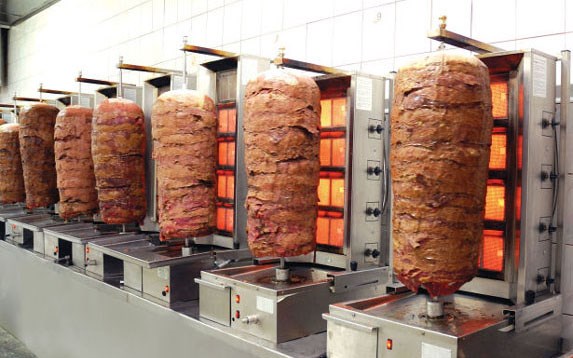
Döner kebab (v turečtině doslovně „rotující kebab“ a byl vynalezen v Burse v 19. století), ale tak jak jej známe v dnešní podobě, vnikl v Německu a je spjat s tureckou komunitou. Podle jedné z legend byl první bufet s kebabem otevřen na počátku 70. let minulého století na berlínské ulici Kottbusser Damm. Podle jiného výkladu, jež potvrdila Asociace tureckých Döner výrobců, vynalezl kebab, a to včetně přípravy na rotující kovové jehle, turecký přistěhovalec Kadir Nurman (1933-2013). Tehdy se jednalo o grilované maso s cibulí podávané v pita chlebu. Jeho první kebabárna se objevila na počátku roku 1970 poblíž berlínského nádraží ZOO. Kadir Nurman si svůj vynález nikdy nepatentoval, a i z tohoto důvodu se vedou spory, zdali byl skutečně tím prvním „vynálezcem“ dnešního kebabu. Jistý Nevzat Salim prohlašuje, že döner kebab prodával v Reutlingenu již v roce 1969. Většinou se podává v pita chlebu spolu se salátem a různými omáčkami (bylinkové, česnekové či jemně až velmi pikantní)
Dürüm kebab (čte se dyrym). Jedná se o rolku či chlebovou placku „Yufka“ nebo „Lavash“ , která je naplněna totožným materiálem jako Döner kebab, jediný rozdíl je tedy v pečivu.
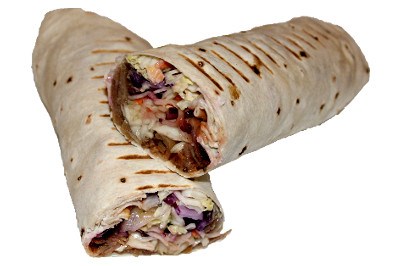
V České republice v současnosti narazíte na verzi döner kebabu převzatou z Německa, která se od té turecké odlišuje především v přidání hlávkového salátu, plátků rajčat, okurek, cibule, bílého a červeného zelí a využití omáčky s majonézou a jogurtem, např. ve variantách jako česnek, bylinky, nebo kari, což jsou přísady, které tradiční turecká kuchyně nezná.
Podobným pokrmem, jako kebab je Gyros, který ale pochází z Řecka a dělá se z vepřového (nebo jakéhokoliv dalšího masa) zatímco u kebabu je vepřové maso z náboženských důvodů nepřípustné.
V listingu jsem čerpal a citoval z Wikipedie a webu Kebabarny, kde se můžete dočíst více o historii a třeba recenze různých kebabáren u nás i ve světě.
K umístnění a odlovu:
Keš je umístněná na velmi frekventovaném místě, hlavně ve všední dny a pokud bude plné parkoviště, a to bývá dost často, tak se k ní budeme muset protáhnout mezi auty, tak dávejte pozor a opatrně. A k místu samotnému, je mi jasné, že není nejvhodnější, ale dvě vhodnější se ukázala jako nevhodná, tak uvidíme :)
English version
This cache was created on the occasion of the Dönerstag 2017 event in Hodonine and its goal is not to show you any specific kebab shop, but only to give you information about this dish. If you want, you will definitely find it, it's not difficult, just walk through Národní třída from the square to the station :-) I wish you a successful hunt and possibly bon appetit :-)
Kebab
Kebab (Persian and Arabic: کباب, also known as kebap) is a variety of picnic, grilled, or spit-roasted foods from the Middle East, Central Asia, and South Asia.
Usually lamb or beef is the basis, some types also use chicken or fish. Pork is not used in Muslim areas for religious reasons. In Turkish cuisine (döner kebab), the preparation is similar to gyros. From there, it spread to European countries with a Turkish minority, mainly to Germany and Austria. In Arab regions and Israel, minced meat grilled over an open fire is often used. Many other kebabs are known, but in our country we can most often find the Döner or Dürüm version at the moment.
However, the Döner kebab (literally "rotating kebab" in Turkish and was invented in Bursa in the 19th century), as we know it today, originated in Germany and is associated with the Turkish community. According to one of the legends, the first kebab buffet was opened in the early 1970s on Berlin's Kottbusser Damm Street. According to another interpretation, confirmed by the Association of Turkish Doner Producers, the kebab, including the preparation on a rotating metal needle, was invented by the Turkish immigrant Kadir Nurman (1933-2013). At that time, it was grilled meat with onions served in pita bread. His first kebab shop appeared in the early 1970s near the Berlin Zoo Station. Kadir Nurman never patented his invention, and for this reason there are disputes whether he was really the first "inventor" of today's kebab. A certain Nevzat Salim claims that he sold doner kebab in Reutlingen as early as 1969. It is usually served in pita bread together with salad and various sauces (herbal, garlic or mildly to very spicy)

Dürüm kebab (pronounced dyrym). It is a roll or bread pancake "Yufka" or "Lavash", which is filled with the same material as Döner kebab, so the only difference is in the pastry.

In the Czech Republic, you will currently come across a version of the doner kebab taken from Germany, which differs from the Turkish one mainly in the addition of lettuce, slices of tomatoes, cucumbers, onions, white and red cabbage, and the use of sauce with mayonnaise and yogurt, e.g. in variants such as garlic, herbs, or curry, which are ingredients that traditional Turkish cuisine does not know.
Gyros is a similar dish to kebab, but it comes from Greece and is made from pork (or any other meat), while in kebab meat is inadmissible for religious reasons.
In the listing, I drew and quoted from Wikipedia and the Kebabarny website, where you can read more about the history and reviews of various kebab shops in our country and around the world.
For placing and catching:
The cache is located in a very busy place, especially on weekdays, and if the parking lot is full, and this is quite often, we will have to stretch to it between cars, so be careful and careful. And as for the place itself, it is clear to me that it is not the most suitable, but the two more suitable ones turned out to be unsuitable, so we will see :)