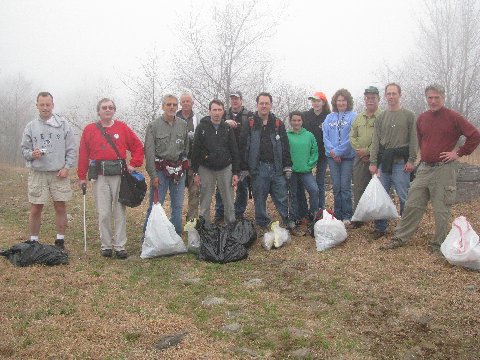
 2008 High Mountain CITO
In September 1969, at a conference in Seattle, Washington, U.S.
Senator Gaylord Nelson of Wisconsin announced that in the spring of
1970 there would be a nationwide grassroots demonstration on the
environment. Senator Nelson first proposed the nationwide
environmental protest to thrust the environment onto the national
agenda.” "It was a gamble," he recalls, "but it worked."
Five months before the first April 22 Earth Day, on Sunday,
November 30, 1969, The New York Times carried a lengthy article by
Gladwin Hill reporting on the rising tide of environmental
events:
"Rising concern about the environmental crisis is sweeping the
nation's campuses with an intensity that may be on its way to
eclipsing student discontent over the war in Vietnam...a national
day of observance of environmental problems...is being planned for
next spring...when a nationwide environmental
'teach-in'...coordinated from the office of Senator Gaylord Nelson
is planned...." Senator Nelson also hired Denis Hayes as the
coordinator.
On the 22nd of April, 1970, Earth Day marks the beginning of the
modern environmental movement. Approximately 20 million Americans
participated, with a goal of a healthy, sustainable environment.
Denis Hayes, the national coordinator, and his youthful staff
organized massive coast-to-coast rallies. Thousands of colleges and
universities organized protests against the deterioration of the
environment. Groups that had been fighting against oil spills,
polluting factories and power plants, raw sewage, toxic dumps,
pesticides, freeways, the loss of wilderness, and the extinction of
wildlife suddenly realized they shared common values.

NNJC Officers and members will be available to discuss caching
issues in New Jersey, the NNJC.org web site, the NNJC Newsletter,
and NNJC membership.
