History of the Playfair Cipher
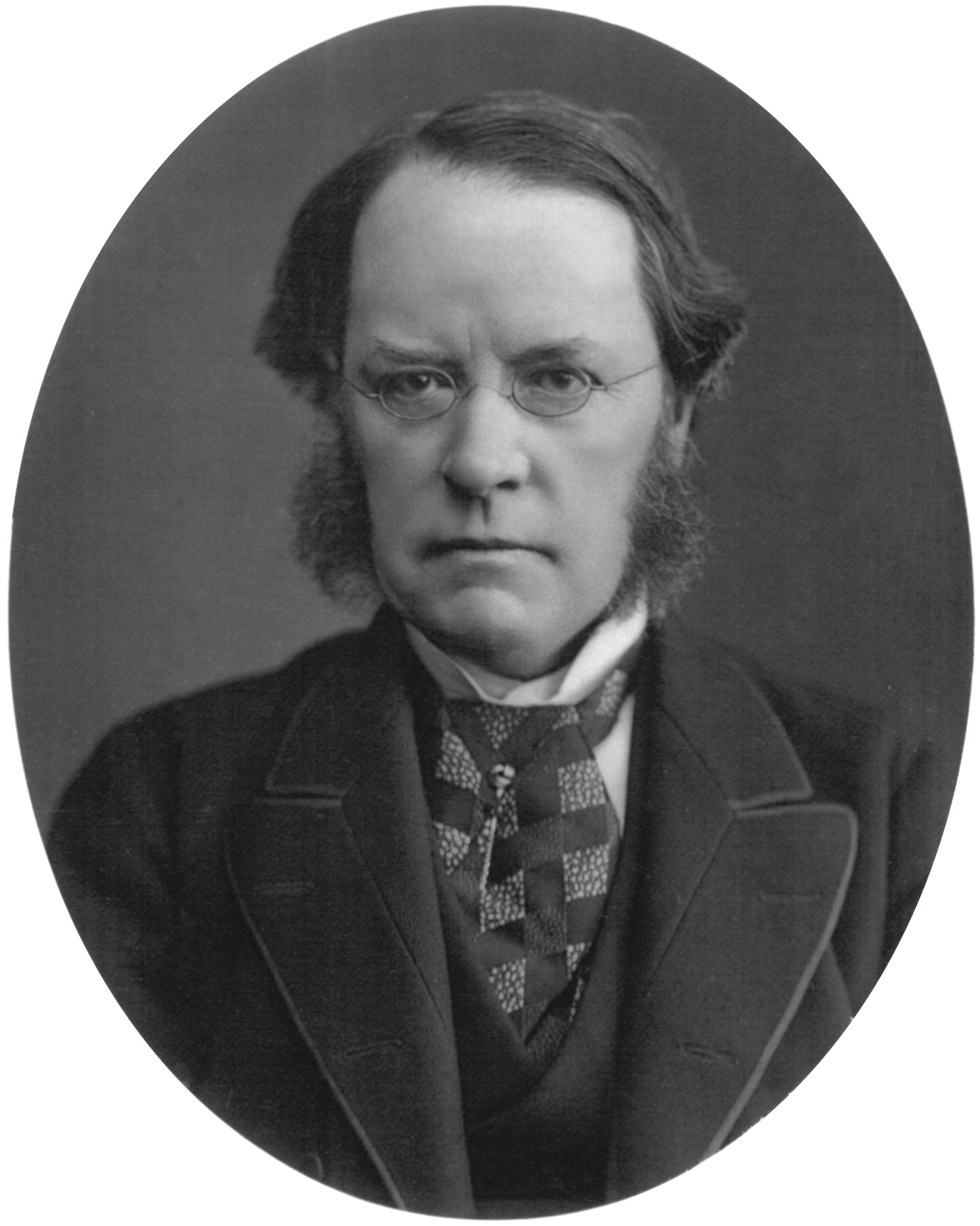
Despite its invention by Wheatstone, it became known as the Playfair cipher after Lord Playfair, who heavily promoted its use. The first recorded description of the Playfair cipher was in a document signed by Wheatstone on 26 March 1854.
It was rejected by the British Foreign Office when it was developed because of its perceived complexity. When Wheatstone offered to demonstrate that three out of four boys in a nearby school could learn to use it in 15 minutes, the Under Secretary of the Foreign Office responded, "That is very possible, but you could never teach it to attachés."
It was used for tactical purposes by British forces in the Second Boer War and in World War I and for the same purpose by the Australians and Germans during World War II. This was because Playfair is reasonably fast to use and requires no special equipment. A typical scenario for Playfair use would be to protect important but non-critical secrets during actual combat. By the time the enemy cryptanalysts could break the message, the information would be useless to them.
Playfair is no longer used by military forces because of the advent of digital encryption devices. Playfair is now regarded as insecure for any purpose, because modern computers could easily break the cipher within seconds.
The first published solution of the Playfair cipher was described in a 19-page pamphlet by Lieutenant Joseph O. Mauborgne, published in 1914.
OH TU OB AC YM QY HU KA TY OU PT HO NT MK FY DT NU LP DY BM BY NT FK GY AS YC MP OU PT UH MK UY DT HA GW PN TD YD IG ZD SW FB UZ XG
This cache is not where it is listed, it is in-fact only accessible by decoding the message above. you have all the information you need already on the listing.
You can check your answers for this puzzle on Geochecker.com.
You DO NOT have to walk into or on the road to find the cache and it is NOT on private property.
FTF: The Red Kite! - Congrats!!!
STF: John Stead!