welcome to the SINTRA POWER TRAIL
This is part of a sequence, although it can be found and logged. For further detail see SPT#1 - Águas de Cascais ADC N7 (GC2W23N)
A CACHE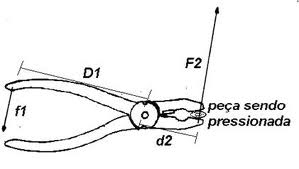
Um alicate é uma ferramenta articulada que serve, fundamentalmente, para multiplicar a força aplicada pelo utilizador sobre o alvo desejado.
Os alicates são usados para muitas finalidades e existem diversos tipos e tamanhos.
Nas provas de orientação há necessidade de provar que um ponto de controle foi visitado, o Orientista transporta consigo um sistema electrónico (Chip SI) que utiliza para controlar numa estação existente no ponto de controlo, ou um sistema de perfuração (picotador, também conhecido por 'alicate') que se encontra junto à baliza, para "picar" no cartão de controle (cada alicate faz um padrão de furos diferente).
Aqui houve um excelente exemplar, bem característico desta actividade, que serve para deixar a sua marca, também ela bem específica todavia, com o passar dos anos acabou or desaparecer. Fica o registo fotográfico nesta listing da cache.
Nota: atenção às urtigas - o seu nome botânico vem do latim urere, que significa "queimar" e tem a haver com o seu carácter urticante.
THE PLIERS
A plier is an articulated tool used, mainly, to multiply the force applied by the
user on the pretended target.
Pliers
are used for many purposes and there are different types and sizes.
In the
orientation challenges sports is necessary to prove that a checkpoint was
visited. The sportsman carries with him an electronic system (SI Chip), used to
control an existing station at the checkpoint, or a drilling system (shredder,
also known as 'clamp') which is placed on goal, to "chop" on the control board
(each clamp has a different hole pattern), (in Portuguese this instrument is
called “alicate” i.e. pliers).
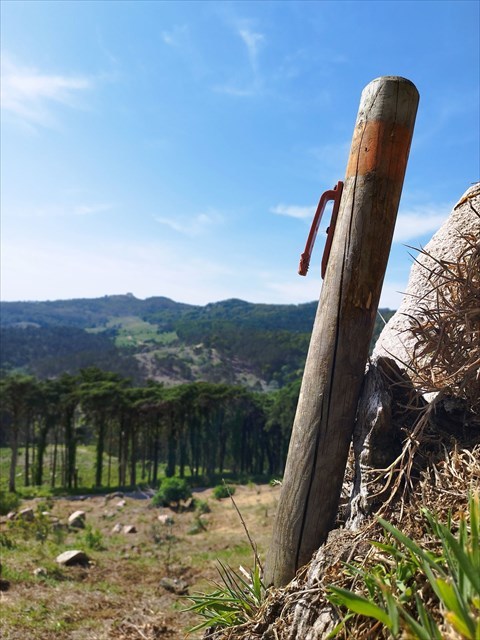
Here there was an excellent specimen, very characteristic of this activity, which serves to leave its mark, also quite specific, however, over the years it ended up disappearing. The photographic record remains in this cache listing.
Note:
Attention to poison ivy – nettle. Its botanical name comes from the Latin
urer, which means "burning" and has to do with his stinging character.
