Im a local from Chimacum who moved out of the area, so whenever I
visit I vowed to make Earthcaches at all the natural features I
knew of on the Olympic Peninsula. Some people beat me to the punch
on making one on the Pacific Coast for Sea Stacks, but I didnt let
it stop my goal, just chose a different location. So heres another
Earthcache dedicated to our majestic Sea Stacks!
A sea stack is a pillar of rock found in the water close to a
coastline. Sea stacks are common along many of the world's
coastlines, and some have even become quite famous, like "Hole in
the Wall". Like other features found along shorelines, sea stacks
are also in a constant state of flux, with new stacks emerging all
the time while old ones disappear. Some sea stacks have been known
to erode into very unusual and striking formations, making them
popular subjects for photographers and painters.
If you would like to post a picture of some feel free to do so but
it is not a requirement.
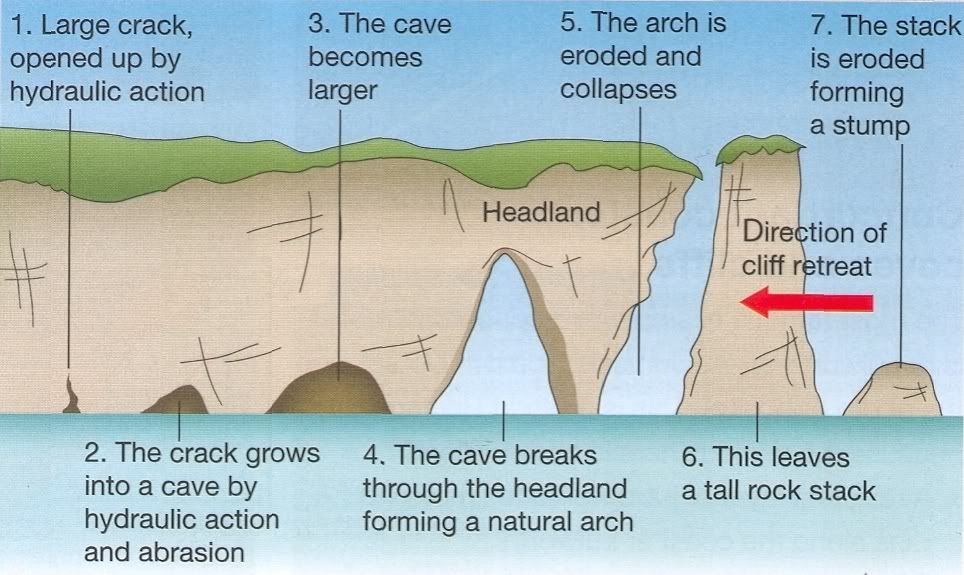
A sea stack is caused by the natural erosion of headlands along
the coastline. Typically, the ocean wears a hole through the
headlands first, creating an arch which slowly expands over time as
it erodes. Ultimately, the arch collapses, leaving a sea stack on
one side and the headland on the other. Separated from the
shoreline, the sea stack will slowly start to erode, ultimately
melting away into the water or collapsing.
Essentially, a sea stack is like a very small island, and in
some cases, sea stacks have actually started out as islands which
have been worn away. Many migratory birds use sea stacks for
nesting and shelter, appreciating their isolation and relative
safety.
 Sea stacks are also popular
among rock climbers, since many such stacks pose interesting and
fun climbing challenges.
Sea stacks are also popular
among rock climbers, since many such stacks pose interesting and
fun climbing challenges.
The distribution of sea stacks in an area varies, depending on
the kind of rock the headlands are formed from, ambient weather
conditions, and the prevailing currents of the water. In some
cases, an area may be littered with sea stacks made from very hard
stone, while in other instances a shoreline has only a few stacks
composed of soft, crumbly materials like limestone and sandstone.
Since many headlands are formed from the former ocean floor, some
sea stacks also reveal interesting fossil remains as they erode.
"http://www.wisegeek.com/what-is-a-sea-stack.htm"
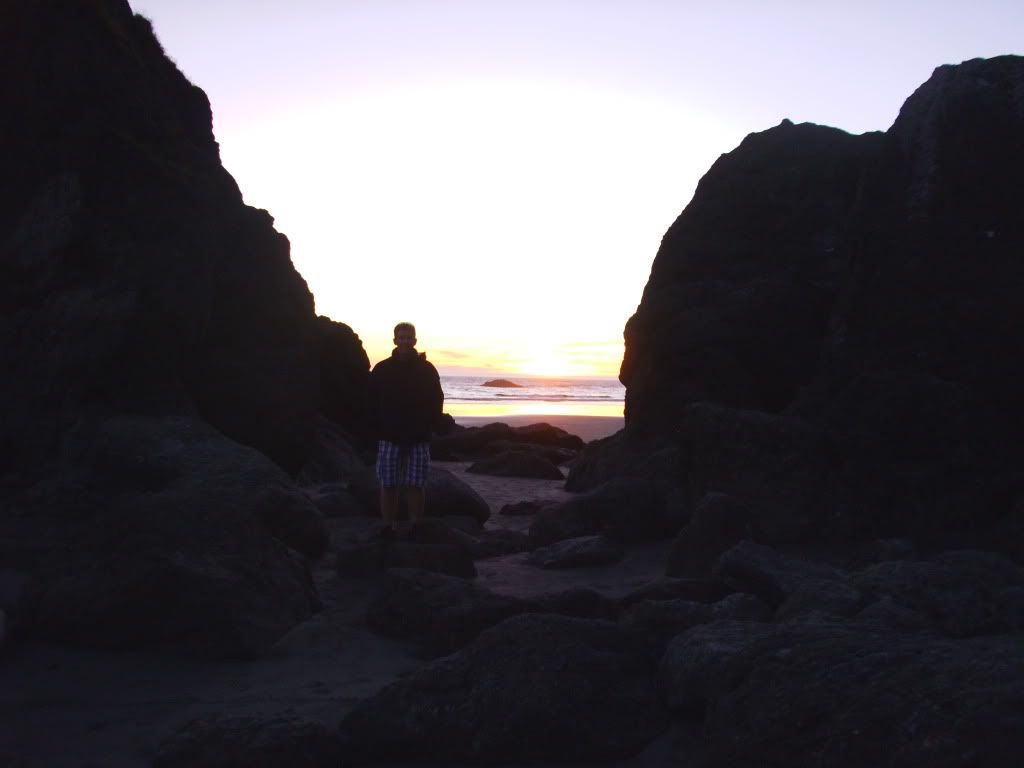
To log this earthcache:
E-mail the answers, please do not post them in the log.
1. How long do you think it took for the largest sea stack there to
be formed as you see it today?
2. Compare and contrast two of the sea stacks and explain, in your
opinion the cause for their difference in appearance.
3. How many sea stacks do you see?
| I have earned GSA's highest level: |
 |