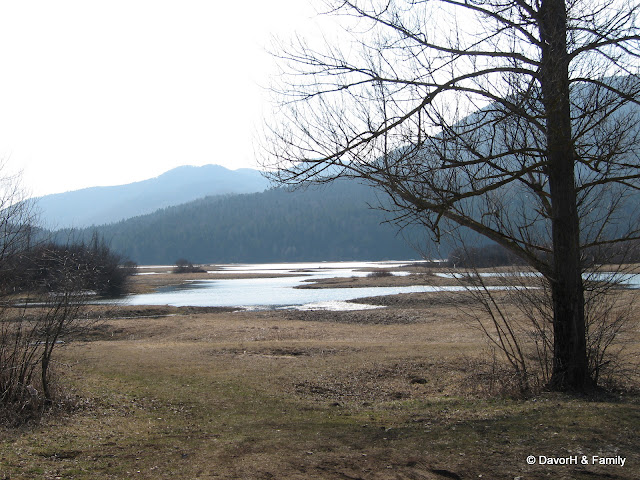
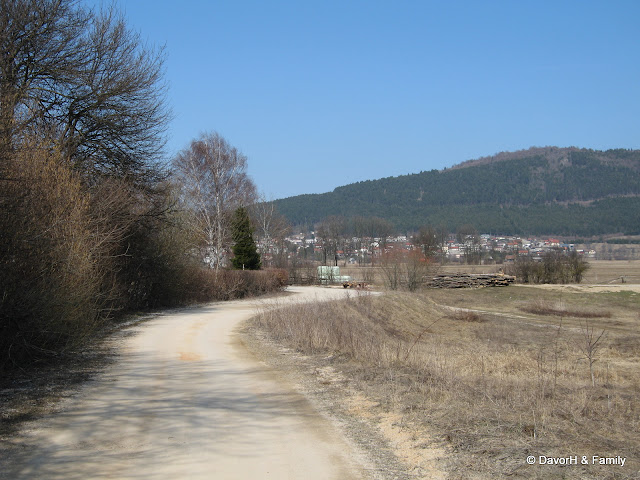
Dolenje jezero leta 1972
(Go To English text) (Skok na fotografije / Go To Photos) (Skok na konec teksta / Go To End of Text)
Opis
Dolenje jezero je vas na severnem robu Cerkniškega jezera v občini Cerknica. Poleg tega, da v svoji neposredni bližini ponuja obilo možnosti rekreacije ob in na jezeru, je kar nekaj zanimivosti moč najti tudi v vasi sami. Dolenje jezero šteje nekaj čez 200 prebivalcev, število pa ostaja zadnja desetletja precej stabilno. Vaščani so večinoma zaposleni v okoliških krajih, poleg tega pa se jih veliko ukvarja tudi s kmetijstvom, večinoma kot z dopolnilno dejavnostjo. Zlasti pa razveseljujejo poskusi povečanja turistične ponudbe v zadnjih letih.
V Dolenjem jezeru stoji najlepša objezerska cerkev, cerkev sv. Petra. Menda je bila postavljena že davno, sedanjo poznogotsko obliko pa je dobila leta 1633. Z bogato poslikanim lesenim stropom in tremi baročnimi oltarji je pravi biser med okoliškimi cerkvami. Stropne kasete so poslikane s pisanimi angelci, ozaljšanimi abstraktnimi in rastlinskimi liki, ograjo kora pa so zase rezervirali svetniki. Ker med njimi ni bilo prostora, se je sveta Notburga stisnila kar na spodnje lice kora nad vhodom. V podeželski cerkvi ni smela manjkati, saj je veljala za zaščitnico kmečkega stanu, simpatije do Notranjcev pa je pokazala tako, da si je oblekla krajevno ljudsko nošo. Oltarji iz prve polovice 19. stoletja so delo neznane rezbarske delavnice. Stranska oltarja sta posvečena sveti Elizabeti in svetemu Nikolaju. Na glavnem oltarju se poleg sv. Petra, Kristusa, sv. Martina in sv. Kvirina stiskata še dva meniha, skromna in ponižna po videzu, vendar nedvoumen simbol nekdanje samostanske oblasti nad tukajšnjimi kraji.
Cerkev razsvetljuje lestenec iz »beneškega« stekla, ki je bil menda narejen v eni izmed izginulih javorniških steklarn. Strop je poslikan v celoti, z izjemo dela nad korom, kjer poslikav ni. Po izročilu je to posledica enega izmed nekdanjih požarov, ki so zaradi slamnatih streh pogosto razsajali po notranjskih vaseh. Cerkovnik je sicer pritekel gasit, toda zagorelo mu je tudi doma. Obupan je zaklical: »Sveti Peter, sam se boš moral znajti!« Tedaj je nenaden močan piš odpihnil plamene. Cerkev je bila rešena, del vročini izpostavljenih poslikav pa je pri tem izginil.
Najpomembnejša naravna znamenitost, ki je v neposredni bližini vasi, je vsekakor presihajoče Cerkniško jezero. Prav blizu vasi je večina požiralnikov, kot so Rešeto, Retje in Vodonos. Jezero je na jugu in na zahodu omejeno z Javorniki. Tam so še vidni ostanki steklarne, predel, kjer je steklarna stala, pa se še zdaj imenuje Glažuta.
Domačini z Dolenjega jezera so bili vedno tesno povezani z jezerom. Ko je bilo polno vode, so v njem lovili ribe, ko je presahnilo, so kosili travo na njegovem dnu, v mrzlih zimah pa so se po njem drsali. Znanih je kar dvanajst načinov lovljenja rib, od katerih je bil gotovo najbolj zanimiv lov z lesenim batom. Uporabljali so ga, ko je bilo jezero zamrznjeno. Kjer so pod ledom opazili ribo, so udarili po njem. Riba je bila od udarca omotična, ribiči pa so v ledu izsekali primerno odprtino in pobrali plen. Posebni mojstri so morali biti tisti, ki so lovili z ostmi. Popisovalca Cerkniškega jezera, barona Valvasorja, je še najbolj pritegnil način, ki je bil najpogostejši. To je bilo pobiranje rib, ko je jezero presihalo. Ribiči so se morali tedaj bolj truditi, plezariti po odtočnih jamah in se spuščati celo pod zemljo. Je pa bil zaradi tega plen toliko večji. Po 2. svetovni vojni je tega manj, saj nad ribami bdijo člani Ribiške družine Cerknica, ki divjega lova ne dovoljujejo več. Kljub temu zamrzovalne skrinje domačinov niso nikoli prazne J Do leta 1976 so v jezeru lovili tudi rake, in sicer z vršami, potem pa so raki izumrli.
Stoletno povezanost domačinov s presihajočim Cerkniškim jezerom zelo lepo prikazuje Muzej Cerkniškega jezera v vasi, kjer si lahko obiskovalci ogledajo delujočo maketo jezera, poleg tega pa izvedo tudi veliko o zgodovini tega dela Slovenije. Vsekakor priporočljiv ogled za vsakogar, ki zaide v tiste kraje. V vasi obiskovalce čakajo tudi vožnja z lojtrnikom, pogostitev na turistični kmetiji in prenočišča.
Dostop
Dostop do Dolenjega jezera je iz Cerknice, kjer kažipoti označujejo smer proti Cerkniškemu jezeru. Možnosti za parkiranje je veliko, za iskanje tega zaklada priporočamo, da avto pustite na parkirišču na robu vasi, v neposredni bližini jezera (točka DJ PARK). Od tam vas bo iskanje zaklada vodilo po krožni poti nazaj do avta. Seveda je dostop mogoč tudi s kolesom, okolica pa ponuja precej možnosti predvsem za kolesarjenje z gorskimi kolesi, saj so okoliški hribi polni dobro vzdrževanih gozdnih cest.
Zaklad
Zaklad je 3,9 l Lock & Lock škatla. V njej je poleg knjižice vpisov, svinčnika, šilčka in GC sporočila, ki naj ostanejo v zakladu, še nekaj manjših predmetov za menjavo. Prvega najditelja čaka FTF priponka, ki jo lahko odnese s seboj za nagrado.
Zaklad je skrit na zasebnem zemljišču, kar pa ni problem, saj so lastniki izpričani podporniki geocachinga. Upoštevajte pa to pri iskanju zaklada in lokacijo po najdbi spravite nazaj v prvotno stanje. Sicer je škatla precej velika in skrita tako, da jo lahko najdete brez premetavanja česarkoli. Dovolj bo le oster in pozoren pogled in premik nekaj manjših kosov lesa. Večji posegi torej nikakor niso potrebni!
Ker se zaklad nahaja v vasi, velja biti pri iskanju zaklada previden, da vas ne opazi kakšno nepoklicano oko. Prosimo tudi, da zaklad po najdbi dobro skrijete nazaj, da ne bo padel v oči kakemu bunkeljnu.
Do zaklada pridete v naslednjih korakih:
1. Od priporočenega parkirišča je do prve točke poti le nekaj korakov. Točka DJ1 vas pripelje do t.i. litopunkturne postavitve s kozmogrami, ki »naj bi prispevala k vzdrževanju ravnovesja med naravno in kulturno identiteto cerkniškega krajinskega svetišča in podpirala njegove vitalno-energijske funkcije v slovenskem vodnem krogu«. Preštejte število kamnov!
A = število kamnov v postavitvi
2. Do naslednje točke najlažje pridete tako, da greste od kamnov s kozmogrami po makadamski poti, ki je hkrati tudi nasip za obrambo vasi pred poplavami, proti vzhodu. Pot vas pripelje v vas, naslednja točka – točka DJ2 - pa se nahaja pri cerkvi sv. Petra. Preštejte število oken na glavnem delu cerkve (brez zvonika)!
B = število oken na glavnem delu cerkve
3. Točka DJ3 je le nekaj korakov stran, pri gasilskem domu. Na njegovem pročelju sta dve letnici. Katera je zadnja številka pri obeh?
C = zadnja številka pri obeh letnicah
4. Zadnja točka – točka DJ4 - vas pripelje do zdaj zapuščene hiše v vasi, kjer je bila pred desetletji gostilna Mulec, na kar spominja slabo zakrit napis na pročelju. Katero hišno številko ima nekdanja gostilna?
D = hišna številka na nekdanji gostilni Mulec
Vsota vseh štirih neznank je enaka celi potenci števila 2. Torej A+B+C+D = 2n, pri čemer je n celo število.
5. Lokacijo zaklada izračunate po naslednjem postopku:
AA = A*C + B + D – 1
BBB = A*A*A – (A + C)*D – B – D
CC = A*C – B
DDD = D*B*B + A*C – B
Končne koordinate so:
N 45° AA.BBB E 14° CC.DDD
Pravilnost vašega izračuna lahko preverite na Geochecker.com.
(Skok na konec teksta)
(Go To Photos) (Go To End of Text)
Description
Dolenje jezero is a village on the northern edge of Lake Cerknica in the Cerknica municipality. It offers plenty of recreational opportunities at and on the lake, but there are several attractions to be found in the village itself. Dolenje jezero has just over 200 inhabitants and this number remains fairly stable over the last decades. The villagers are mostly employed by local businesses and many of them are also engaged in agriculture, mostly as a complementary activity. Particularly in the last few years, more and more of them are starting with various tourist offerings.
Of all the churches around the lake, the most beautiful is the one in Dolenje jezero. It is said it was built ages ago, but it was given its current late-gothic form in 1633. The church with its large painted wooden ceiling and three Baroque altars is a real gem among the nearby churches. Ceiling cassettes are painted with colorful angels, ornamental abstract and vegetable characters. Choir railings are reserved for statues of several saints. Because there are so many and there was no room left, St. Notburga was squeezed under the choir above the entrance. No rural church could be without her, because she was the patron saint of peasantry. She showed her sympathy for people of Notranjska by dressing in the local folk garment. Church altars originate in the first half of the 19th century and are the work of an unknown carving workshop. The side altars are dedicated to the Holy Elizabeth and St. Nicholas. On the main altar, in addition to St.Peter, Christ, St. Martin and St.Quirinus, there are two monks, as a symbol of past monastic rule over these lands.
Church chandelier is made of the "Venetian" glass, which was supposedly made in one of the now disappeared glassworks in Javorniki hills. The ceiling is painted in full, with the exception of the area above the choir. According to oral tradition this is the result of one of the fires, which due to straw roofs were quite common in the past all over Notranjska region. While sexton rushed to extinguish the fire his home also started to burn. He cried in despair: "Saint Peter, you’re on your own now!" Then a sudden strong gust of wind blew the flames off. The church has been saved but the heat destroyed part of the paintings.
The main natural attraction in that area is without a doubt the intermittent Lake of Cerknica. Most sinkholes, such as Rešeto, Retje and Vodonos are very close to the village. To the south and west the lake is bordered by the Javorniki hill range. Some remains of the glassworks can still be seen in Javorniki and the area where it was located is called Glažuta (glassworks).
Locals from Dolenje jezero have always been closely associated with the lake. When it was full of water they were catching fish and when it was empty they mowed the grass. In cold winters they were ice skating. Twelve ways of catching fish are known, of which probably the most exciting was with a wooden mallet that was used when the lake was frozen. Where they observed the fish under the ice, they hit on it. The fish was dizzy from the impact, fishermen made a hole into the ice and picked up the catch. Hunting with spikes probably required the most skills. Baron Valvasor who introduced the lake to the world, was most attracted to the most common way of fishing - when the lake was drying up locals simply collected the fish. Crabs could also be fished until 1976 when they became extinct.
Centuries-old relationship between the locals and the intermittent Cerknica lake is best shown in the Museum of Lake Cerknica that is situated in the village. In this nice museum visitors can see a working model of the lake, as well as learn a lot about the history of this part of Slovenia. Definitely a place worth visiting! The village also offers hay wagon rides, traditional cuisine on a tourist farm and also accommodation for those who want to stay longer.
Access
Visitors can come to Dolenje jezero from Cerknica where signposts will direct them to the Lake. There are a lot of parking options, but for searching for this cache we recommend you use a parking lot at the edge of the village, near the lake (waypoint DJ PARK). Search for the cache will lead you from there on a circular path which will bring you back to the car. Location is also accessible by bike. In fact, the surroundings offer ample opportunity mostly for mountain biking on well-maintained unpaved roads.
Cache
Cache is a 3.9 liter Lock & Lock box. In addition to logbook, pencil, sharpener and GC note which are to remain in the cache, there are a few small items for trade. FTF badge is awaiting the first finder to be taken away as a small prize.
Cache is hidden on a private property. This is not a problem, since the owners are proven geocaching supporters. However, one should be even more careful not to disturb the site too much and to put everything back in its original condition. This shouldn’t be an issue, because the box is quite large and it is hidden in such a way that it is not necessary to move a lot of stuff. In fact, all one needs to find this cache is a sharp eye, attentive glance and at the end moving a few small pieces of wood. No major interventions are therefore needed!
As the cache is located in the village, one should be careful not to raise any unnecessary attention and remain as stealthy as possible. Hide the cache well afterwards to prevent muggles finding it.
Here’s how you can find this cache:
1. From the recommended parking (waypoint PARK) there are only a few steps to the first point. Waypoint DJ1 brings you to a lithopunctural installation with cosmograms that supposedly is helping to heal the Earth. Count the number of stones in the installation!
A = the number of stones in the installation
2. From the stones you should take the gravel road to the east. This road is also an embankment for flood defense of the village. The trail leads to the village where waypoint DJ2 is located at the church of St. Peter. Count the number of windows in the main body of the church (excluding the bell tower)!
B = number of windows in the main body of the church
3. Waypoint DJ3 is just a few steps away, at the fire house. On its front one can see two numbers representing two years. What is the last number in both?
C = the last number in both years on the front of the fire house
4. The last waypoint – waypoint DJ4 - brings you to the now abandoned house in the village. Decades ago this was a village inn, what can still be seen on a poorly hidden inscription on the facade. What is the house number of the former inn?
D = house number of the former inn
The sum of all four unknowns is equal to an integer power of 2. I.e. A + B + C + D = 2n, where n is an integer.
5. Now calculate the final location of the cache as follows:
AA = A*C + B + D – 1
BBB = A*A*A – (A + C)*D – B – D
CC = A*C – B
DDD = D*B*B + A*C – B
Final coordinates are:
N 45° AA.BBB E 14° CC.DDD
You can check if you calculated the final location correctly at Geochecker.com.
Viri / Sources
Drago Kolenc: Dober dan, Krpanova dežela, Postojna, 2006
Stare slike
Brestov obzornik, št. 58, 31. 7. 1972,
Wikipedija / Wikipedia
Slike / Photos (preskoči/skip)

Nekdanja vaška gostilna leta 1925 / Former village inn in 1925