Let’s follow LPT 25 –
Noxious Weed
McKee Clan’s cache
Let’s follow LPT (Little Para Trail) is a series of caches along the trail for you to find. Please enjoy the walk or Ride as we have and happy hunting.
Due to the number of caches in carisbrook park and Howie bowie reserve we decided to start in salisbury and continue out to sea. Enjoy the walk or ride.
FTF – Ttrogg STF – Huurtle TTF – Miss GG & Darknstormy
Please follow the: 
Local point of interest
interest -
The Water Wheel
Weeds
A noxious weed is a plant species that has been designated by country, state, provincial, or national agricultural authority as one that is injurious to agricultural and/or horticultural crops, natural habitats and/or ecosystems, and/or humans or livestock. Most noxious weeds are introduced species (non-native) and have been introduced into an ecosystem by ignorance, mismanagement, or accident. Occasionally some are native. Typically they are plants that grow aggressively, multiply quickly without natural controls (native herbivores, soil chemistry, etc.), and adversely affect native habitats, croplands, and/or are injurious to humans, native fauna, and livestock through contact or ingestion. Noxious weeds are a large problem in many parts of the world, greatly affecting areas of agriculture, forest management, nature preserves and parks, and other open space lands.[2]
These weeds are typically agricultural pests, though many also have impacts on natural areas. Many noxious weeds have come to new regions and countries through contaminated shipments of feed and crop seeds or intentional introductions such as ornamental plants for horticultural use
Types
There are types of noxious weeds that are harmful or poisonous to humans, domesticated grazing animals, and wildlife. Open fields and grazing pastures with disturbed soils and open sunlight are often more susceptible. Protecting grazing animals from toxic weeds in their primary feeding areas is therefore important.
Control
Some guidelines to prevent the spread of noxious weeds are:
Avoid driving through noxious weed-infested areas.
Avoid transporting or planting seeds and plants that one can't identify.
For noxious weeds in flower or with seeds on plants, pulling 'gently' out and placing in a secure closable bag is recommended. Disposal such as hot composting or contained burning is done when safe and practical for the specific plant. Burning poison ivy can be fatal to humans.
Using only certified weed-free seeds for crops or gardens.
Maintaining control of noxious weeds is important for the health of habitats, livestock, wildlife and native plants, and of humans of all ages. How to control noxious weeds depends on the surrounding environment and habitats, the weed species, the availability of equipment, labor, supplies, and financial resources. Laws often require that noxious weed control funding from governmental agencies must be used for eradication, invasion prevention, or native habitat and plant community restoration project scopes.[5]
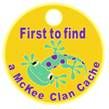
For the First to find there is a certificate and a unique FTF path tag. They are not swapped or given out so the first to find pathtag will be a unique item that no one else will have.