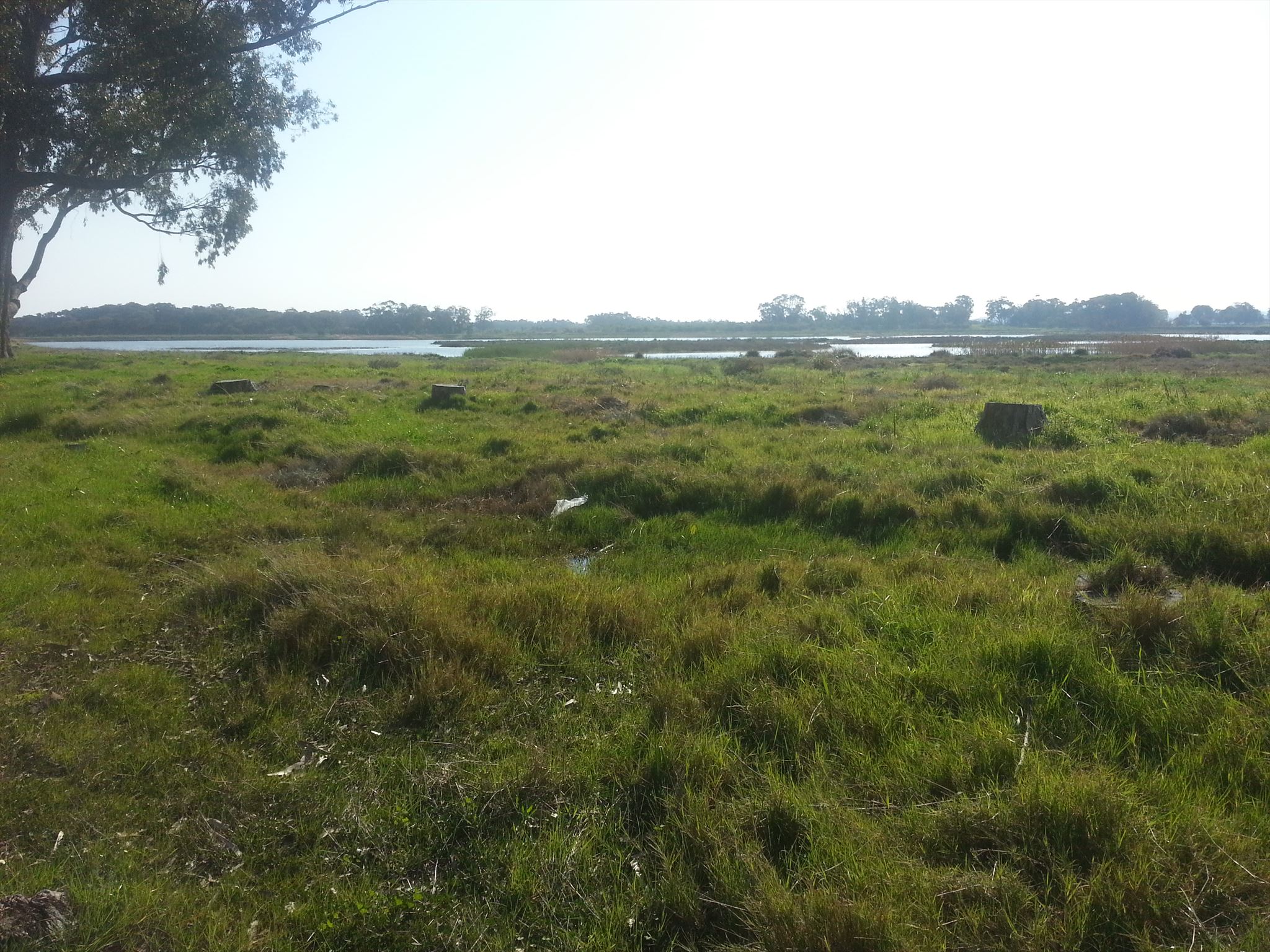
The natural history of Paardevlei indicates that the vlei was a shallow, seasonal pan. Over many decades it was, however, managed as a deepwater permanent reservoir, filled with nutrient rich water and used to supply water to the former industrial plant on the site. Today is has been rehabilitated to resemble more closely its natural condition and its outlet structures are designed to accommodate and control water levels during the wet and dry seasons. This means that the vlei can both provide a habitat type that is critically threatened in the Western Cape, and play a role in managing storm water from nearby developments as well as upstream.
The vlei margins have been reshaped and its seasonally wetted area covers approximately 40 hectares. The existing hard edges of the vlei have been softened with the planting of indigenous seasonal vegetation and developments have been set back from the open water system and wetland edge by a broad vegetated buffer area. Several bird islands and varied habitats have been created within the vlei to encourage the establishment of a natural, healthy habitat for biodiversity conversation.
The alien trees removed have been used to create bird breeding habitats and chipped to construct pathways. The highly invasive Kikuyu grass has also been removed from the site, which is managed on an ongoing basis. Special care has been taken to preserve trees identified with historical significance.
* The above information was taken from the information board at the start of the trail.
-
To gain access at the boom gate, tell the security guard that you have come to walk on the trail.
-
Park at the end of the Cheetah Outreach parking area.