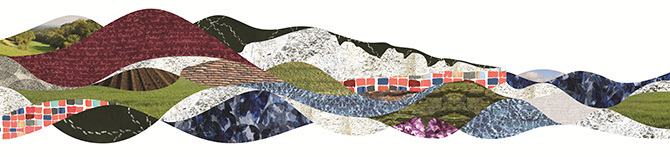
A medium sized container on a mosaic of lowland heath, featuring heather, gorse and birch.
The Serpent Trail - A 64 mile long path that leads you through the purple heather, green woods and golden valleys of the Sussex greensand hills. The sandy heaths are rare and special places for people and wildlife.
ABOUT THE SITE
Lavington Common is a rare survivor of an open landscape that once stretched across the Weald. Its sandy soil leads up to the chalk escarpment on the South Downs, creating this renowned lowland heath, rich in lichens and bryophytes (mosses and liverworts). Chapel common is owned and managed by the The National Trust.
Designations: SSSI (Site of Special Scientific Interest), Open Access Site
NATURE & WILDLIFE
- The site has been designated a Site of Special Scientific Interest for its wonderful heathland, with insectivorous sundews, adders and common lizards amongst the thick heath vegetation. The paths are flat and easy walking but watch out for the ditches and hollows which fill with water and create areas of wet heath. This is where cotton grass and cross-leaved heather can be found growing.
- Sit quietly and you may see and hear tree pipits, woodlarks and stonechats.
- It is one of the best sites for spotting sand lizards.
- The 'Guinness Book of Records' records that the heaviest spider to have been caught in Britain was found here; an orb weaver spider Araneus quadratus which weighed 2.25g.
HISTORY
The area south of the road was planted with conifers. This has been clear felled by the NT to restore heathland. The site has been fenced and through scrub management and grazing pressure the site is being returned to heath.
HEATHLAND
Heathlands occur on infertile land with thin acidic soils. The soils are usually sandy and therefore free-draining so they do not hold water for long. Heaths are often subject to summer droughts. Fires are a constant hazard, particularly as much of the vegetation is very resinous adding to the fire risk.
Heathlands are a man-made habitat, created thousands of years ago by our ancestors to provide firewood, craft materials and grazing for livestock. They are very vulnerable to rapid loss and degradation, especially through neglect. Birch and Scot’s Pine seedlings soon take over and turn areas into woodland because they shade out the underlying heath vegetation.
The wide open landscape is dominated by heather, gorse and grasses which provide a superb habitat for invertebrates (over 5000), ground nesting birds and all six native reptiles. Many internationally rare species can be found on heathland.
95% of lowland heaths have been lost globally. 1,544 ha of lowland heathland can be found in the National Park which represents an important international resource.
PERMISSIONS
Cache placed with kind permission from The National Trust.