Way back in 1897, H.G. Wells fascinated the world with his tale of 'The Invisible Man'. Almost 120 years later and scientists in the US are making this dream into reality.
So, how does it work?
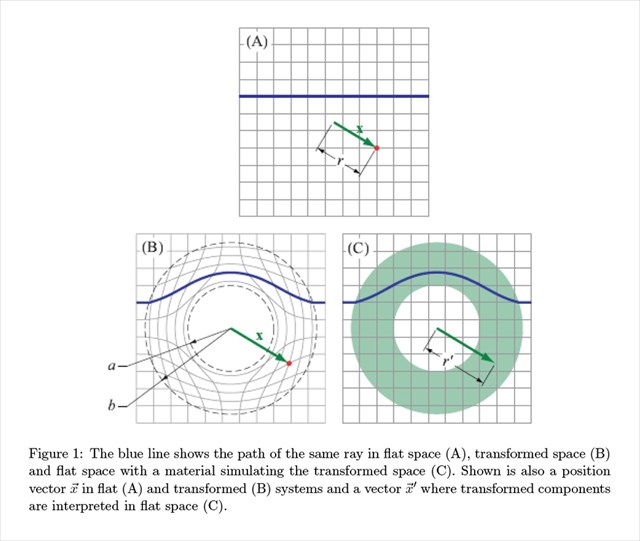
Using miniscule nanoantennae, the cloak is able to distort the light waves around any particular object, giving the illusion that light is bouncing off a flat space – with the object essentially hiding underneath.
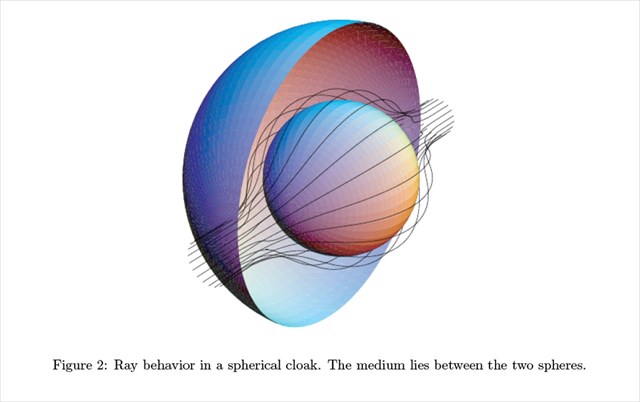
This is the first time that scientists have been able to produce an invisbility cloak-like device that’s actually functional; previous attempts at utilizing similar technology has resulted in bulkier, heavier designs – barring any practicality in the real world. the one created by these Berkeley scientists is at an impressive 80 nanometers thin.
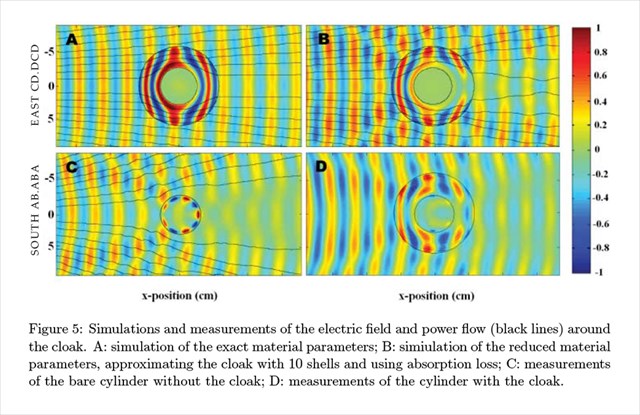
According to the study: “As long as the metasurface is designed correctly, both the container and the objects inside the container will become invisible.”
What this potentially means: it’ll be a completely functional cloaking device.
As always, stealth is required. Please use care when retrieving & replacing the cache.