<p>From Wikipedia, the free encyclopedia<p>
<p>The koala (Phascolarctos cinereus, or, inaccurately, koala bear[a]) is an arboreal herbivorous marsupial native to Australia. It is the only extant representative of the family Phascolarctidae and its closest living relatives are the wombats. The koala is found in coastal areas of the mainland's eastern and southern regions, inhabiting Queensland, New South Wales, Victoria, and South Australia. It is easily recognisable by its stout, tailless body and large head with round, fluffy ears and large, spoon-shaped nose. The koala has a body length of 60–85 cm (24–33 in) and weighs 4–15 kg (9–33 lb). Pelage colour ranges from silver grey to chocolate brown. Koalas from the northern populations are typically smaller and lighter in colour than their counterparts further south. These populations possibly are separate subspecies, but this is disputed.<p>
<p>Koalas typically inhabit open eucalypt woodlands, and the leaves of these trees make up most of their diet. Because this eucalypt diet has limited nutritional and caloric content, koalas are largely sedentary and sleep up to 20 hours a day. They are asocial animals, and bonding exists only between mothers and dependent offspring. Adult males communicate with loud bellows that intimidate rivals and attract mates. Males mark their presence with secretions from scent glands located on their chests. Being marsupials, koalas give birth to underdeveloped young that crawl into their mothers' pouches, where they stay for the first six to seven months of their lives. These young koalas, known as joeys, are fully weaned around a year old. Koalas have few natural predators and parasites, but are threatened by various pathogens, such as Chlamydiaceae bacteria and the koala retrovirus, as well as by bushfires and droughts.<p>
<p>Koalas were hunted by indigenous Australians and depicted in myths and cave art for millennia. The first recorded encounter between a European and a koala was in 1798, and an image of the animal was published in 1810 by naturalist George Perry. Botanist Robert Brown wrote the first detailed scientific description of the koala in 1814, although his work remained unpublished for 180 years. Popular artist John Gould illustrated and described the koala, introducing the species to the general British public. Further details about the animal's biology were revealed in the 19th century by several English scientists. Because of its distinctive appearance, the koala is recognised worldwide as a symbol of Australia. Koalas are listed as of Least Concern by the International Union for Conservation of Nature. The Australian government lists populations in Queensland and New South Wales as Vulnerable. The animal was hunted heavily in the early 20th century for its fur, and large-scale cullings in Queensland resulted in a public outcry that initiated a movement to protect the species. Sanctuaries were established, and translocation efforts moved to new regions koalas whose habitat had become fragmented or reduced. The biggest threat to their existence is habitat destruction caused by agriculture and urbanisation.<p>
#
KOALAPEDIA Koalas.
Enciclopedia Ilustrada Información sobre los koalas
• Hábitat de los koalas El koala es nativo de Australia. Pueden encontrarse en muchas áreas de este continente. Los únicos lugares en los que no se encuentran son Tasmania y la zona occidental de Australia.
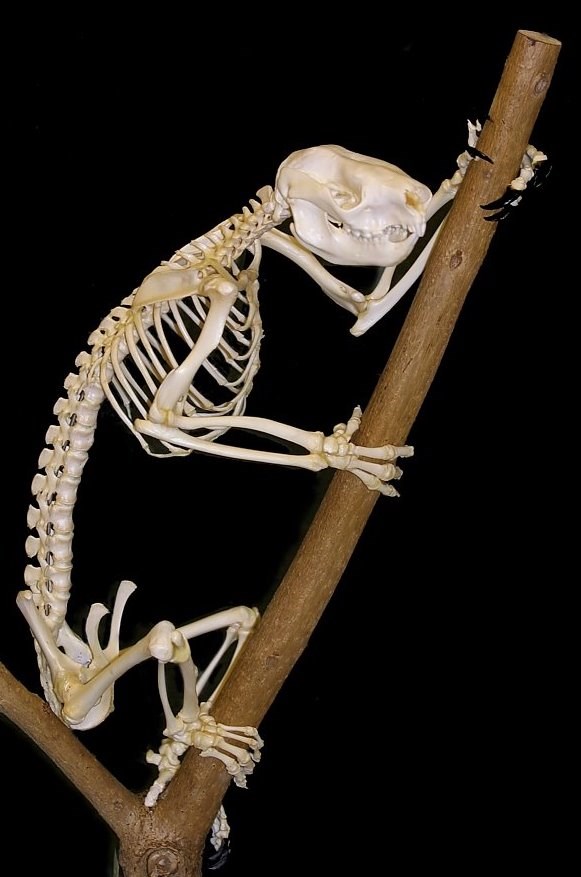
• Anatomía de los koalas Debido a que el koala se parece mucho a los osos, desde su descubrimiento ha sido llamado como tal. Incluso hoy en día con toda la información que tenemos, muchas personas lo siguen viendo como un tipo de oso.
• ¿Que comen los koalas? El koala es herbívoro y se alimenta principalmente de las hojas de eucalipto. Puede pasar hasta 5 horas al día comiendo.
• Evolución de los koalas ¿Cómo el koala llegó a ser un animal tan misterioso y sorprendente? Ciertamente, hacen cosas que van en contra de lo que el resto de la naturaleza tiene que decir.
• Donde viven los koalas Aparte de los zoológicos del mundo, el único lugar donde se encuentran los koalas es en Australia. Se sabe que la población restante es de 80 000 individuos aproximadamente, mucho menos de la mitad del número que existía años atrás.
• Ciclo de vida de los koalas El ciclo de vida del koala es uno de los más interesantes. Algunos de ellos viven hasta 10 años en estado salvaje.
• Depredadores de los koalas A pesar de que los koalas viven en los árboles, tienen un montón de depredadores de los cuales tienen que cuidarse porque son animales que no pueden correr rápido ni tienen realmente cómo defenderse y luchar contra ellos.>p>
• Reproducción de los koalas Para los koalas, el apareamiento ocurre generalmente entre diciembre y marzo. Ellos no ven el instinto natural para la reproducción con la misma intensidad que muchos otros animales.
• Estructura Social de los koalas Los koalas son a menudo considerados como animales muy perezosos. Debido a que tienen un metabolismo muy lento, tienden a no hacer nada durante casi 18 horas al día.
#