Granite:
The purpose of this Earthcache is to introduce only the basics about granite. The main lessons to be learned will be about the formation of granite. Granite is one of the hardest types of rock and is crystalline in nature. Granite is made up mostly of quartz and feldspar which are the lighter colors, the whites, and the pinks, that you see when you look at a piece of granite. Granite is an Igneous rock as it is formed through the cooling and solidification of magma or lava. The large mineral crystals in granite are evidence that it cooled slowly from molten rock. That slow cooling occurred beneath the earth's surface and required a long period of time. For this reason, Granite is generally classed as an Intrusive as opposed to Extrusive. An Extrusive igneous rock cools very fast on the surface and is created by lava. Since the cooling process is very fast extrusive igneous rocks have very small crystals and are fine-grained.
Granite is a coarse-grained light coloured igneous rock composed mainly of feldspars and quartz which together make up 90% of the rock. Quartz ranges from 20-45% and feldspar up to 60% of the granite. It is the interlaced crystals of feldspar and quartz, two very hard minerals, that gives granite its strength and makes it such a good building material. Granite also has a varying amount of other minor minerals, such as the black mica biotite, and the black amphibole hornblende, both of which gives granite its classic salt and pepper appearance.
Granite is classified as igneous, arising from magma many miles below the surface.
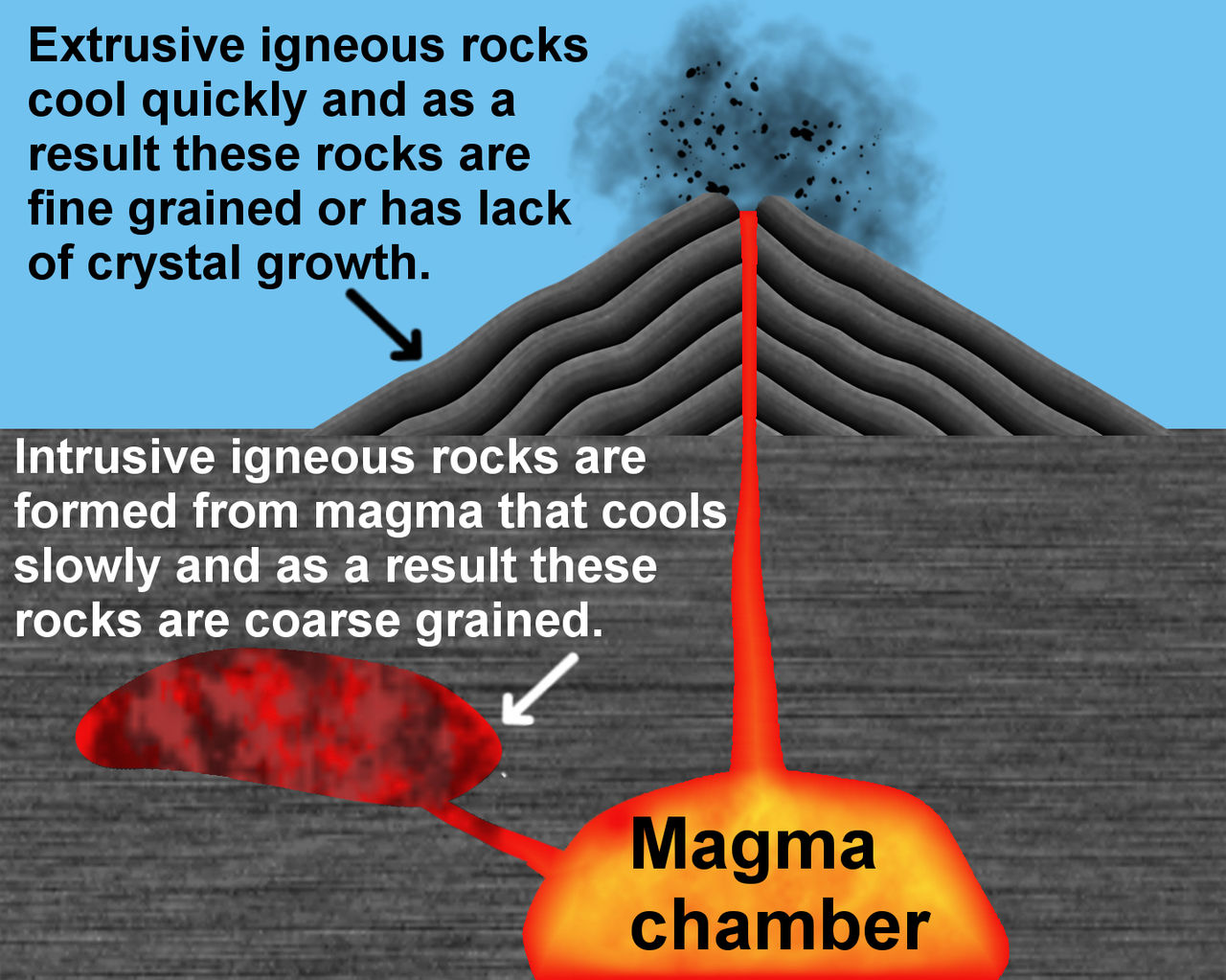
Granite is a common rock found in and along The Darling Scarp. The Scarp is an extensive ancient geological discontinuity separating the Archaean Yilgarn Craton in the east from the younger Pinjarra Orogen and overlying Phanerozoic Perth Basin to the west. The Darling Fault is exposed for over 1,000 kilometres, from the area east of Shark Bay to the southern coast of Western Australia east of Albany.
Logging Requirements:
1. Examine the granite boulder placed "in memory of Ruby". Would you classify the grain as large or small?
2. Based on the grain size, has this granite cooled quickly or slowly?
3. Is granite Intrusive or Extrusive?
4. What is the diametre of the boulder?
Please note : You are welcome to log this Earthcache after sending your answers to me. If no answers are received, your log will be deleted. Please be mindful of your logs to ensure there are no spoiler images/answers for the questions above, spoilers will also be removed.