LIASTØLEN - gamle tomter (od site)
Liaselet, som no er museum i sentrum på Beitostølen, må skrive seg frå 1700-talet. Fram til utpå 1900-talet var det sel på Liastølen. Denne letterbox-cachen vil vise vegen til den plassen som far viste meg for 65 år sidan. I hans ungdom vart Liaselet seldt og flytta som hytte, "Gamlehytta" nedanfor Bygdinvegen. Då selet vart heimlaust der, gjekk Magnus Sandberg i spissen for å få flytta det til ein miljøriktig plass nedanfor Bekkelundstølen.
Liastølen is now a small musum in the centre of Beitostølen, originally built on another site in the 18th century. Later it is moved twice, first as a cabin, than as museum in a suitable environment.
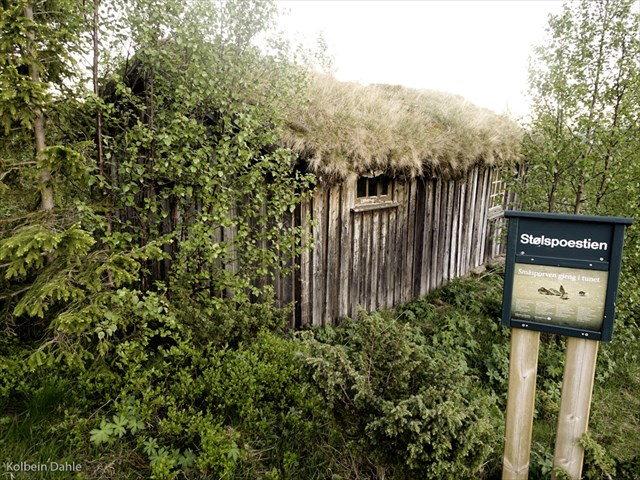
Vår tur skal starte der Bekkelundselet var. Her startar også "Poestien", ein fjelltur med dikt.
We start our hike north of the current site, where «Poestien» starts.

Bekkelund er eit småbruk, ein tidlegare husmannsplass i Beito. På 1950-talet var framleis Ingrid Bekkelund på stølen her. Ho var gamal og så plaga av gikt at ho nesten gikk i vinkel, men stelte godt med både folk og dyr. Fyrst var vi litt redde henne, men når vi vart med mor hit og fekk rjume og kvikako, var alt gaman. Herifrå går vi Beitagoto austover.
Bekkelund was a cottoger’s place in Beito, later a small farm. In the 1950th this støl was still in use. This is the start of Beitagoto where we walk east..
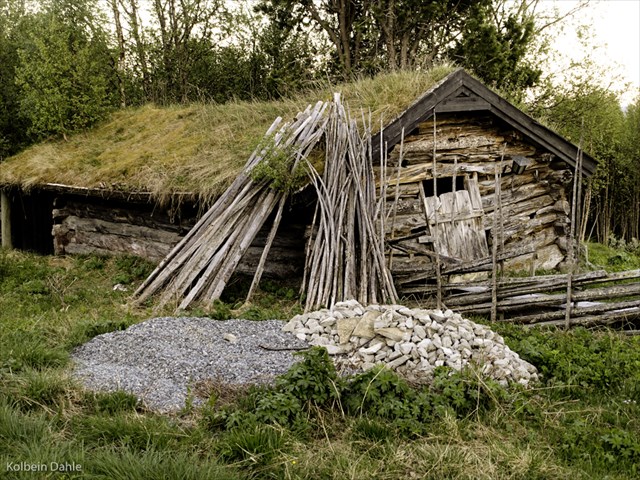
Mellom stølane var det goto for folk og dyr med gard eller mur mot stølsjorda. Beitogoto går til Beitestølen, stølen til ein av Beitogardane. Denne stølen var alt på 50-talet ute av drift som støl, men både selet frå 1800-talet og fjøset frå hundreåret før, står. Her startar Øvrevegen og resten av turen følgjer vi denne austover. Nedanfor vegen her kan vi inne i bjørkekrattet finne to gamle kolmiler. Dei var opne og med svart botn lenge. I fleire generasjonar førte ungane vatn frå Nørrebekken inn i desse botnane, dei vart difor kalla «Laugarhøludn".
Between the fields og the mountain farms were tracks with fences giuding people and cattle. We pass by the old buildings of one of the original Beitostøl with a barn from the 18th century. Here starts Øvrevegen. We follow this road to the cache, the pictures confirm your route.
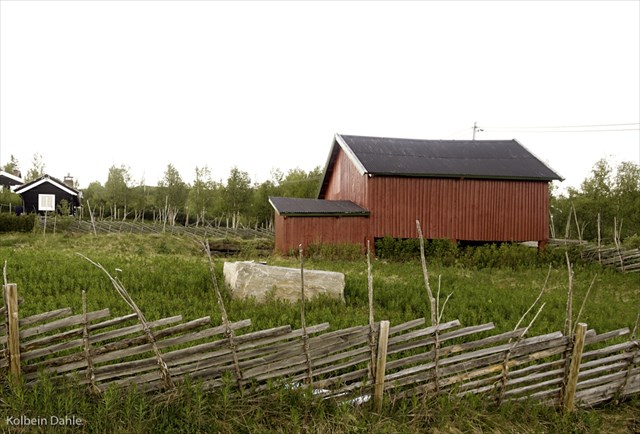
Ovanfor vegen finn vi husa på ein gamal støl, Brennestølen. For oss var det "Uppi sele", og vi kunne også seia "fjøset uppi sele" om det blir litt feil språkleg sett. Denne stølen hadde systrene Marit og Ingebjørg, fødd Nordtorp, men dei fleste som i dag hugsar stølen i bruk, knyter han til Jørend og Andris.
We continue east on Øvrevegen. Soon we pass by another støl surrounded by modern cabins. This is Brennestølen.
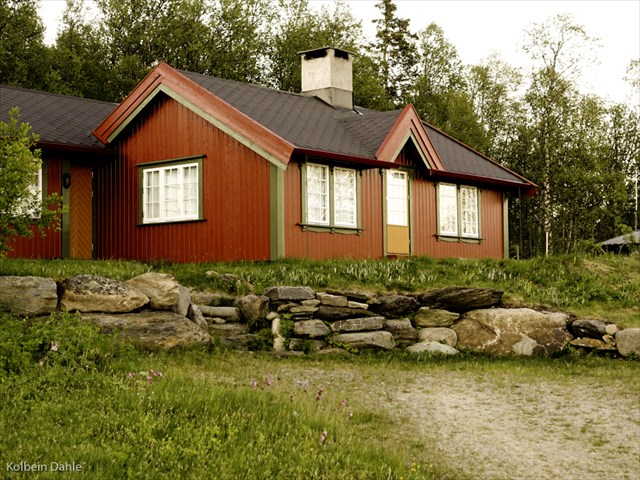
Neste orienteringspunkt er hytta etter Inga og Marie Håkensen. Dei fekk kjøpt den gamle stogo i Viken nedmed Hedalsfjorden og flytte den hit eit av dei fyrste åra på 50-talet.
The next point of orientation is a cabin built by the sisters Inga and Marie early 1950th. It is an old log house from a farm in the valley. To move an old building was a possible way to get a cabin in the post war years.
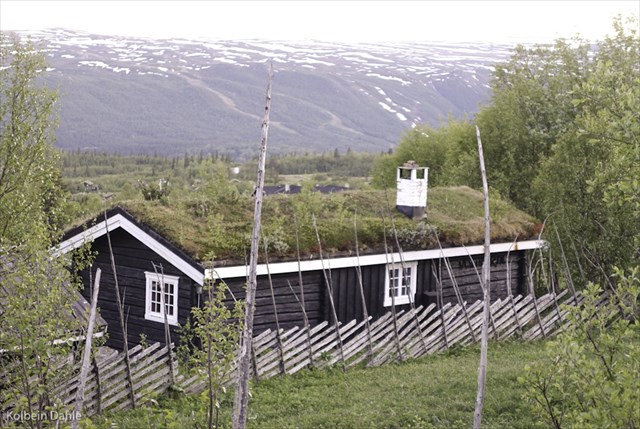
Nedanfor vegen kan vi skimte hytta til Margot og Edv. Raastad. Dei kjøpte halve buahuset i Haugen og fekk det hit. Dette er to eksempel på korleis byfolk skaffa seg hytte i ei tid med rasjonering og materialmangel.
Some steps forward on the other side of the road is another moved log building, a store house became a cabin for Margot and Edvard.
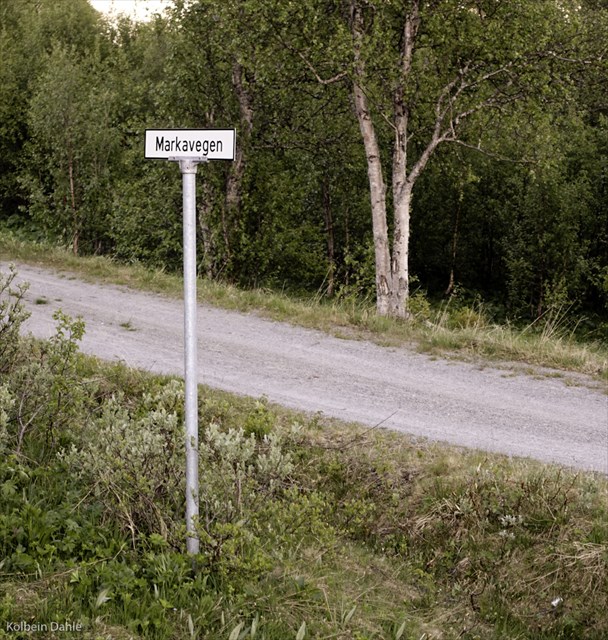
No er vi straks inne på Liajordet der Liaselet sto. Sjå etter Markavegen og bjørkene. Her er ein bygningsdel som kunne vore frå det gamle selet. Vi leika me slike i løotomta. Plantelivet like i nærleiken her kan fortelja at her har det vore ein støl før i tida. Eg trur vi er på rett plass.
Lykke til med jakta!
Now we are entering the field of Liastølen. It is hard to understand that this was an open field with mountain farm buildings two generations ago. It is hard to find the old site, but the vegetation tells a story. We used to play with the kind of building materials used in the constuction of this cache. I feel we are on the right site - good luck!
I boksen finn du både bok for stempling og vanleg loggbok.
Inside the box you will find a book where you can stamp - if you have one, or you can sign in the other log book. There are also a stamp to use in your own stamp book.
Denne cachen voktes av: