Please be careful and do not climb the rocks - finding the earth cache is on your own risk and neither the local government, Geocaching nor I are responsible for any injuries.
I have created this earth cache as I have a thing about studying the sand at the beaches we go to and take samples and compare those. During our holidays here, I took very special notice as the two areas are fairly close (less than 2 miles). We stopped at wp 2 first – I had forgotten to bring my sample glass – but when I saw the sand I ran up all the stairs again to get a glass from the car and all the way back down again – this was special! Then we got to wp 1 – I noticed how different it was to what we had just seen and took another sample – here we also found sand dollars ☺ I have chosen to switch the order of the beaches as I think you will get a greater experience this way if you ain’t as much into studying the sand as I am. I hope you will enjoy it as much as I.
Usually we connect sand with great white tropical beaches at the turquois water surrounded by palm trees - maybe also the sandy dunes in the desert. But what is sand? and how is it made? and have you ever noticed any difference in the sand depending on where you are?
Size:
Geologists use different terms to describe sand depending on the grain size. Ranging from silt wich is particels between 0.004 and 0.0625 mm to sand ranging between 0.0625 and 2 mm grains to gravel ranging between 2 and 64 mm grains. When you rub the sand between your fingers silt will feel like flour and sand will feel gritty. In the US sand is divided into five sub categories: very fine (1/16 mm to 1/8 mm), fine (1/8 mm to 1/4 mm), medium (1/4 to 1/2 mm), coarse (1/2 to 1 mm) and very coarse (1 to 2 mm).
Composition and color:
Usually non tropical and inland continental sand is made from silica (SiO2) - usually in the form of quartz. This is because the chemical inertness and the hardness is the most common mineral resistant to weathering. The composition also depends on the area itself - the local rock sources and conditions. The before mentioned tropical white sand comes from eroded limestone and may contain coral and shell fragments and other organic/organically derived fragmental material, which suggest that sandformation depends on living organisms too. Other kinds of minerals sand can consist of is gypsum which is a soft sulfate mineral which is colorless to white but may be yellow, tan, blue, pink, brown, reddish brown or gray due to impurities. Arkose which is a type of sandstone consisting of at least 25% feldspar - quartz is usually the dominant mineral. Arkose is grey to reddish in color, and the grains are fine to very coarse - however usually in the coarser end of the scale. Often arkose is fromes from granitic rock sediments and is designated as a texturally immature sendimentary rock and are found in the immediate vicinity of granite terrains. Sands rich in magnetite are dark or black in color - not to be confused with sands derived from volcanic basalts and obsidian. Chlorite-glauconite bearing sands are usually green in color such as sands derived from basaltic garnets and other resistant minerals including small gemstones.
When studying the individual grains much historical information is revealed such as the origin and the kind of transportation the grain has had. Quartz sand that is recently weathered from granite or gneiss quartz crystals will be angular - this is called grus or sharp sand in the building industries and gardening. If the sand has been transported long distances either by water or wind, will be rounded with characteristic abrasion patterns on the grain surface.
To log this cache, you will need to visit the 2 waypoints and describe (maybe take a little sample of) the sand:
1: Describe the differences between the two samples – grain size, colors, material – you can use the description above to answer this.
2: Why do you think the sand is different at the two locations – use your own words
3: How much of the sand at wp 2 is similar to the sand at wp 1 – just an estimate is fine
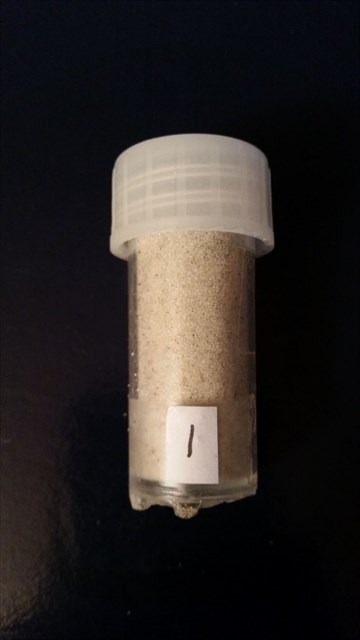
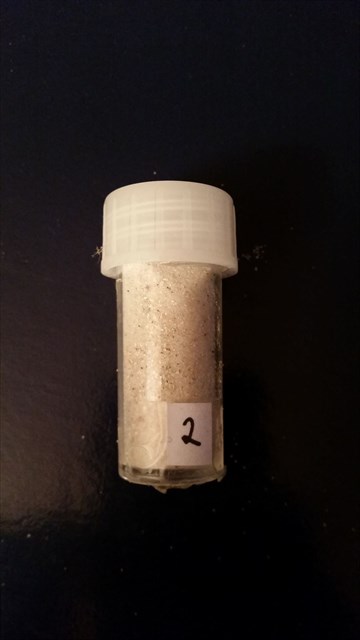
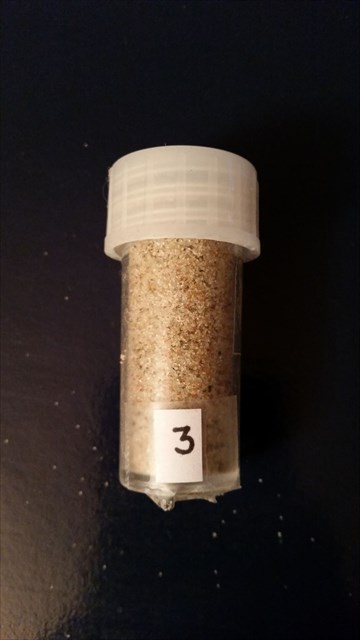
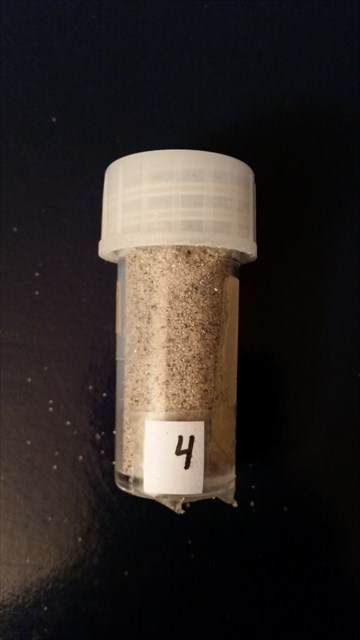
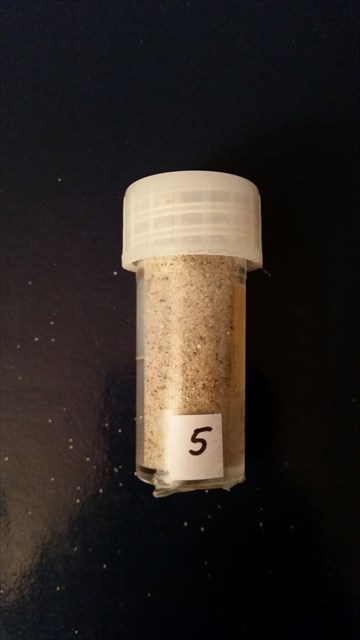
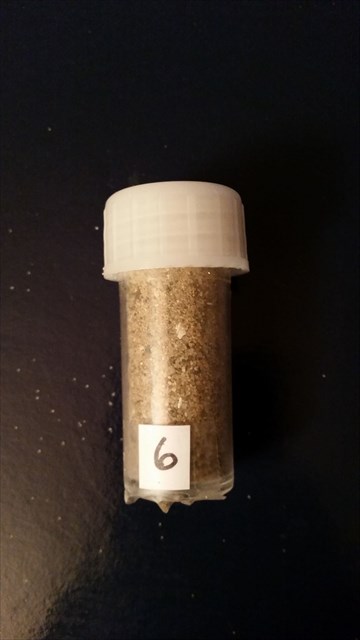
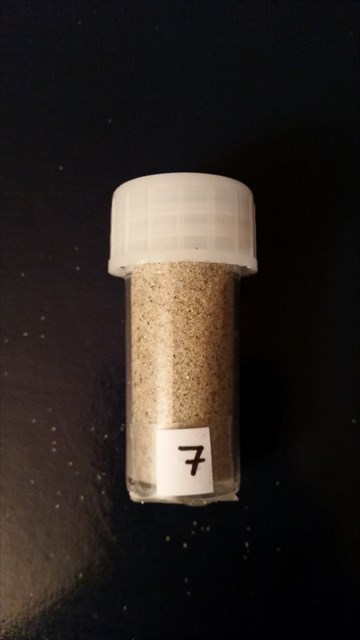
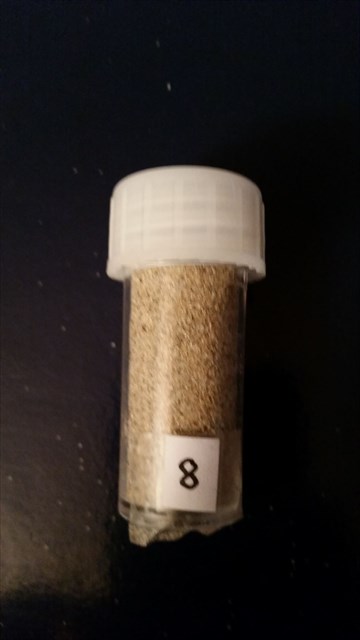
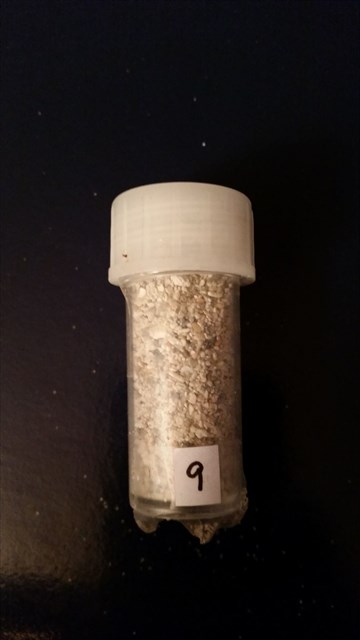
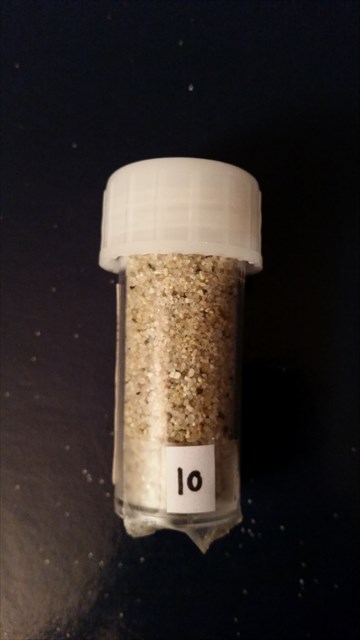
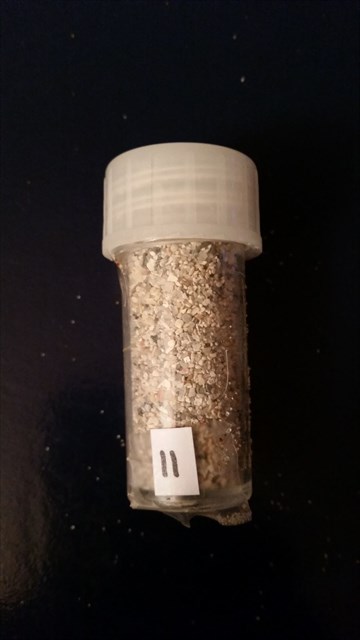
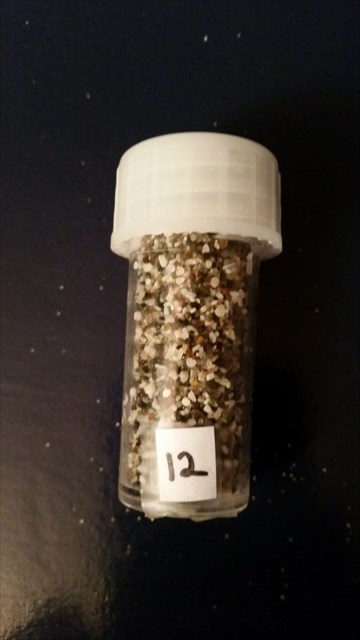
4: Look at the pictures of my samples – which samples do you think I took from wp 1 and wp 2? The samples are from different places in the USA and Denmark (my home country)
5: It would be awesome if you post a selfie from either wp - optional
E-mail me the answers either through the message board or direct e-mail. Don’t hesitate to log the cache right away – I’ll contact you if there’s a problem with your answers.
sources: wikipedia.org
My samples of sand: