|
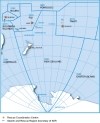
In New Zealand there are only two coordinating agencies who are responsible for all search and rescue (SAR) - the Joint Rescue Coordination Centre New Zealand (JRCCNZ) and the NZ Police. JRCCNZ coordinate Category Two incidents that occur within the NZ Search and Rescue Region which covers approximately a twelfth of the earth’s surface (30 million square kilometres) click for a larger view. Their role is to coordinate SAR services at a national and international level for all aviation and off-shore marine incidents, and any land-based searches involving emergency distress beacons. The NZ Police coordinate Category One searches which are on or under land and close to shore.
|
|
|
What is an emergency distress beacon? A 406MHz distress beacon is an electronic radio transmitter which is used to alert rescuers that you are in an emergency situation and need to be rescued. It’s like dialing 111 and asking for assistance but in these situations you are out of cellphone coverage.
There are three sorts of beacons; PLB’s, ELT’s and EPIRB’s. When activated the beacon transmits a signal that is detected by a satellite and relayed to the search and rescue authorities wherever you are in the world.
|
Beacon Types:
- EPIRB (Emergency Position Indicating Radio Beacon) – normally used on boats and vessels. Waterproof and designed to float. Designed to transmit for a minimum of 48 hours
- PLB (Personal Locator Beacon) – small portable beacons typically carried by trampers, hunters, kayakers, walkers, microlights, 4x4 offroaders. Designed to transmit for a minimum of 24 hours
- ELT (Emergency Locator Transmitter) – installed on aircraft and designed to activate on impact. Can also be manually activated by the pilot in an emergency.
HELP, I am in distress and need rescuing!!
So you’re in a distress situation, whether that be out on the water, in the backcountry or your light plane is in trouble. What do you do – you activate your emergency beacon. The alert is then detected by the geostationary or orbiting satellites. It relays the data (the beacon's unique identifier and GPS position, if the beacon is GPS equipped) via a ground receiving station to a Mission Control Centre (MCC). The MCC processes the alert and then forwards the information to the appropriate Rescue Coordination Centre (RCC) for the geographical area the alert comes from and where the beacon is registered, (they may be the same RCC.) The RCC will then coordinate an appropriate SAR response to effect a rescue of the person or people in distress. The same process occurs if you activate your beacon for someone else who you may have come across that needs help.
For NZ , an appropriate response may involve a helicopter, a coastguard boat, an Airforce Orion aircraft, an international cargo vessel, a LandSAR team or a combination of any of these. It all depends on where you are, the weather and whats available that can reach your location.

A little story. You’re out tramping (caching) in the Tararua’s and a member of your party, or yourself, falls is knocked unconscious and breaks a leg. A PLB is activated. The alert is received shortly thereafter at the JRCCNZ. The onwatch team (there’s always someone there 24/7) swings into action. One of the team will be ringing your emergency contacts (because you’ve registered your beacon) while the other will be ringing the EMS rescue helicopter operators in Wellington or Palmerston North or another of the helicopter operators that help out to see if they can go. Any details of the tramping group and the location will be passed to the helicopter crew. The helicopter will arrive at your location using the GPS position from your beacon and/or direction find on its signal. A paramedic will be winched down or dropped off from the helicopter to treat the injured person. If the helicopter can’t land, the injured person will then be winched up into the helicopter before being flown to hospital. Mission accomplished! Simple yes – but any number of variables could impact the response.
How long will this take? That depends on your location, the time of the day and the weather (cloud / snow / rain / wind). Say it’s an OK day, standard Wellington breeze, passing open cloud, you could have the helicopter to you in an hour or two. Night time a bit longer.
It’s raining, clagged in with cloud (day or night) – the helicopter can’t get to you. The JRCCNZ contacts the Police to have a LandSAR team assembled and fortunately the team is transported part of the way to you by the helicopter. The LandSAR team tramps to your position. If you’re lucky the team could have reached you in around six hours, possibly less, could be more. Then you’ve got to be transported out.
While a typical, easy response using the helicopter could have you in hospital in a couple of hours, possibly less, be prepared to wait. And you may have to wait sometime! The JRCCNZ knows where you are and will be doing everything it can to get someone to you. Don’t turn your beacon off until a rescuer is with you.
--------------------------------
It doesn’t matter where you are within the NZ Search and Rescue Region and activate your beacon, the JRCCNZ will respond. If you’re overseas, JRCCNZ will liaise with the local RCC for the area you’re in so you are rescued.
Whether you’re heading out into NZ’s wonderful bush or going to sea, please follow the recommended safety guidelines. Check out the adventuresmart website and go prepared. You already have a beacon, thinking about getting a beacon, please register it with JRCCNZ (www.beacons.org.nz), its free and helps the team help you.
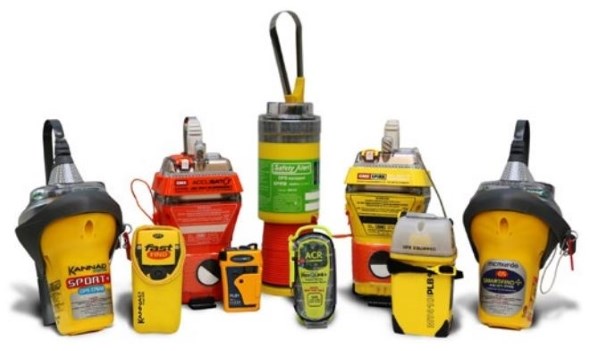
It doesn’t matter what beacon you have for the environment (land, water, air) you’re in, they all do the same thing – send a distress alert to the RCC.
If you want to know more about JRCCNZ, emergency beacons or SAR in NZ, please contact the cache owner or click on these links;
JRCCNZ
Emergency Beacons
Please NOTE that you must sign the logbook for each individual cachers, otherwise your log may be deleted. It would be appreciated if you would please hide the cache exactly how you found it, as we really don't want it to get muggled.