Premessa
Le coordinate indicate nel listing sono quelle del luogo in cui gli Umiliati, nel 1292, edificarono il convento di Ognissanti.
Ai giorni nostri del convento non sono rimaste che poche tracce, la contrada che dall’antico convento traeva il suo nome (Contrà Ognissanti) ha assunto oggi il nome di Santa Caterina.
Essendo una mystery nemmeno della cache in questo luogo è rimasta alcuna traccia. Per trovarla dovrete risolvere il mistero chiedendo aiuto ai pochi Santi che sono rimasti nei paraggi…
La festa di Ognissanti
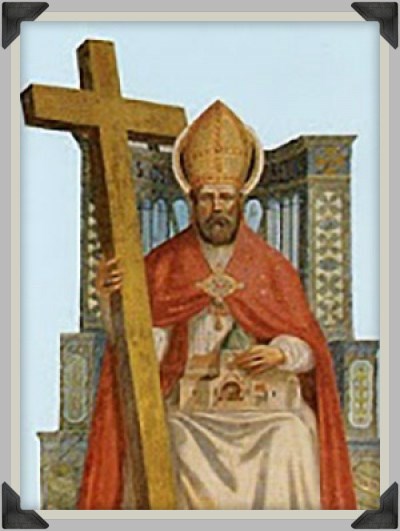 La solennità del calendario liturgico romano (in latino: Sollemnitas Omnium Sanctorum) cade il 1º novembre (seguita il 2 novembre dalla Commemorazione dei Defunti), ed è una festa di precetto, che prevedeva anche una vigilia e un'ottava nel calendario anteriore alla riforma liturgica voluta dal concilio ecumenico Vaticano II.
 Le commemorazioni dei martiri, comuni a diverse Chiese, cominciarono ad esser celebrate nel IV secolo. Le prime tracce di una celebrazione generale sono attestate ad Antiochia, e fanno riferimento alla Domenica successiva alla Pentecoste. Questa usanza viene citata anche nella settantaquattresima omelia di Giovanni Crisostomo (407) ed è preservata fino ad oggi dalle chiese orientali. Anche Efrem Siro (373) parla di tale festa, e la colloca il 13 maggio.
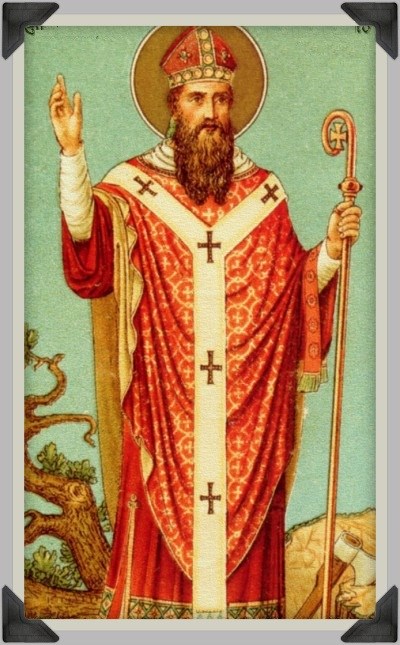 La ricorrenza della chiesa occidentale potrebbe derivare dalla festa romana della dedicatio Sanctae Mariae ad Martyres, ovvero l'anniversario della trasformazione del Pantheon in chiesa dedicata alla Vergine e a tutti i martiri, avvenuta il 13 maggio del 609 o 610 da parte di papa Bonifacio IV; la data del 13 maggio coincide con quella citata da Efrem Siro.
In seguito papa Gregorio III (731-741) scelse il 1º novembre come data dell'anniversario della consacrazione di una cappella a San Pietro alle reliquie "dei santi apostoli e di tutti i santi, martiri e confessori, e di tutti i giusti resi perfetti che riposano in pace in tutto il mondo". Arrivati ai tempi di Carlo Magno, la festività di Ognissanti era diffusamente celebrata in novembre[senza fonte].
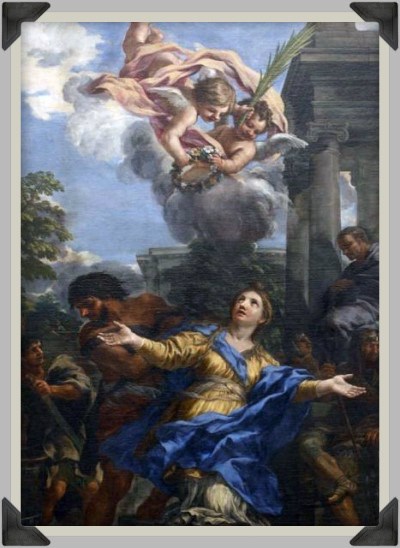 Il 1º novembre venne decretato festa di precetto da parte del re franco Luigi il Pio nell'835. Il decreto fu emesso "su richiesta di papa Gregorio IV e con il consenso di tutti i vescovi". La festa si dotò di ottava solenne ancora presente nel rito straordinario della Chiesa durante il pontificato di papa Sisto IV, quando, bandendo la crociata per la liberazione di Otranto nel settembre 1480, il pontefice implorò la benedizione dell'Altissimo sulle schiere cristiane.
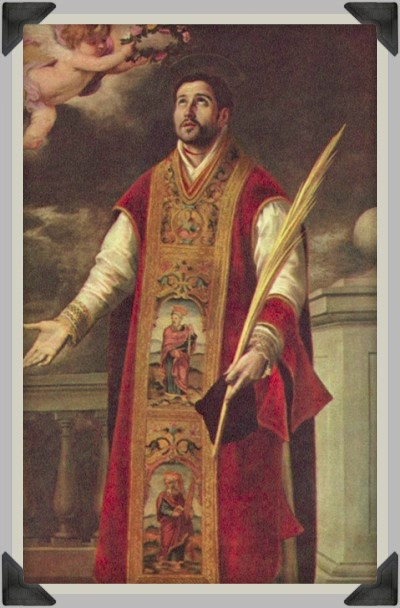 L'antropologo James Frazer, osservando che, prima di diventare festa di precetto, Ognissanti veniva già festeggiato in Inghilterra (paese un tempo abitato dai celti) il 1º novembre, ipotizzò che tale data fosse stata scelta dalla Chiesa per creare una continuità cristiana con Samhain, l'antica festa celtica del nuovo anno (secondo le teorie dello storico Rhŷs)[3], a seguito di richieste in tal senso provenienti dal mondo monastico irlandese[senza fonte]. Questo studioso, insieme con altri, sostenne che, secondo le credenze celtiche, durante la festa del Samhain i morti avrebbero potuto ritornare nei luoghi che frequentavano mentre erano in vita, e che quel giorno celebrazioni gioiose venissero tenute in loro onore. Da questo punto di vista le antiche tribù celtiche erano un tutt'uno col loro passato ed il loro futuro. Questo aspetto della festa non sarebbe mai stato eliminato pienamente, nemmeno con l'avvento del Cristianesimo che infatti il 2 novembre celebra i defunti.
Preface
The coordinates given in the listing are those of the place where the Humiliated, in 1292, built the convent of All Saints.
At our days there are only few traces of the monastery, the district that drew its name from the ancient convent (Contrà Ognissanti) today assumed the name of Santa Caterina.
Cause this is a mystery cache in this place remain no trace even of the cache! To find it you have to solve the mystery, for help ask to the few Saints who remained here nearby...
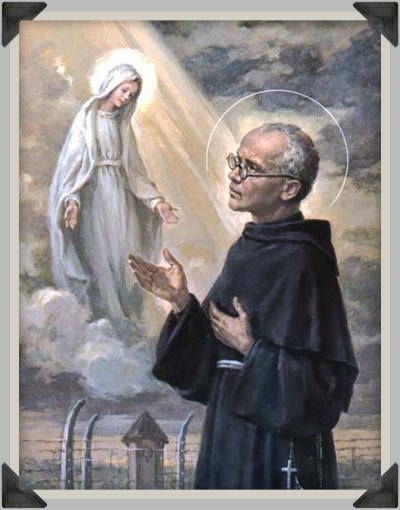
All Saints
The commemorations of the martyrs, common to different churches, began to be celebrated in the fourth century. The first traces of a general celebration amounted to Antioch, and refer to the Sunday after Pentecost. This custom is also mentioned in Seventy-homily of John Chrysostom (407) and it is preserved to this day by the Eastern churches. Even Ephrem the Syrian (373) speaks of this feast, and places it on May 13.
The recurrence of the western church could derive from the Roman feast of the Martyrs DEDICATIO Sanctae Mariae, or the anniversary of the conversion of the Pantheon into a church dedicated to the Virgin and all the martyrs, which occurred on May 13, 609 or 610 by Pope Boniface IV; the date of 13 May coincides with that quoted by Efrem Siro.
Following Pope Gregory III (731-741) chose the 1st November as the date of the anniversary of the consecration of a chapel in St. Peter's relics "of the holy apostles and all the saints, martyrs and confessors, and of all the just made perfect that rest in peace around the world ". Arrived to the time of Charlemagne, the feast of All Saints was celebrated widely in November.
On 1 November, it was decreed a feast of obligation on the part of the ex-King Louis the Pious in 835. The decree was issued "on the request of Pope Gregory IV and with the consent of all the bishops". The party was endowed with a solemn yet eighth in the extraordinary rite of the Church during the pontificate of Pope Sixtus IV, when announcing the crusade for the liberation of Otranto in September 1480, the Pope implored the blessing of the Christian armies.
The anthropologist James Frazer, noting that, before becoming holy day Saints was already celebrated in England (land once inhabited by the Celts) on November 1st, suggested that this date had been chosen by the Church to create a Christian continuation of Samhain , the ancient Celtic festival of the new year (according to the theories of the historian Rhys), following requests to that effect from the Irish monastic world. This scholar, along with others, argued that, according to Celtic beliefs, during the feast of Samhain, the dead could return to the places they frequented while they were alive, and that day joyful celebrations were held in their honor. From this point of view the ancient Celtic tribes were at one with their past and their future. This aspect of the festival would never be fully eliminated, even with the advent of Christianity which in fact November 2 celebrates the dead.