[ITA] UNA MONTAGNA DI GRANITO
NB! Le coordinate della cache indicano l'inizio del sentiero. Per loggare, dovrete visitare entrambi i waypoint V1 e V2
...
Il Montorfano, chiamato così perchè monte solitario, è una montagna di granito: le imponenti glaciazioni del periodo quaternario (Pleistocene) che hanno scavato le valli, come la val d’Ossola, hanno ricoperto completamente il Montorfano ma non sono riusciti a spianarlo in quanto costituito dalla presenza di una soglia rocciosa difficilmente erodibile (Foto 1). Il monte presenta infatti la tipica forma a cupola e/o panettone, arrotondata e completamente smussata dall’azione appunto dei ghiacciai; ha dunque un’apparenza tozza, una grossa gobba di dura pietra, alta non più di 794 metri, ma che nasconde insospettate attrattive: tra queste prime fra tutte proprio il GRANITO.
Il nome del granito deriva dal latino granum, cioè fatto a grani. Il granito è una roccia ignea intrusiva che si è cioè formata per il raffreddamento e la cristallizzazione di magma fuso all’interno della camera magmatica sotto terra. Raffreddando lentamente il magma acquisisce quell’aspetto a piccole macchie dato dai cristalli che contiene: quarzo, feldspati e miche. Il granito bianco è una roccia formatasi circa 280 milioni di anni fa ed è di colore chiaro, abbastanza uniforme, bianco grigiastro per la presenza di quarzo e feldspato, mentre i puntini neri derivano da una varietà di mica, minerale tipico delle rocce di origine vulcanica (Foto 2). Ha grana medio-grossa omogenea, possiede un’elevata durezza ed è di difficile lavorazione. Localmente il granito è anche detto “miarolo”, termine dialettale che deriva da “miglio”, in quanto i grani che caratterizzano questa pietra ricordano i piccoli chicchi del cereale. Il Montorfano ingloba però anche, oltre al più famoso e diffuso granito bianco, una grossa vena sempre cristallina di granito verde, colore dovuto all’abbondante presenza di clorite. Questa pietra, definibile propriamente come diorite, è anch’essa proprio una roccia ignea intrusiva che si pone, come composizione chimica e mineralogica, in posizione intermedia tra fra la famiglia del granito e quella del gabbro (Foto 3). Ha anch’essa una struttura granulare e la tonalità dominante è appunto il verde, dovuta a biotite cloritizzata cioè biotite che si altera comunemente in clorite, la quale a volte presenta anche picchiettature rosse dovute a quarzo rossiccio. La colorazione comunque non è omogenea perché sono frequenti sacche e vene ricche in quarzo e clorite. Questa pietra, se sapientemente lavorata, assume sorprendenti effetti che la rendono particolarmente pregiata. Oggi la varietà è tanto più apprezzata in quanto l’unica cava a cielo aperto di granito verde presente sul Montorfano è stata chiusa nell'anno 2000.
Il granito bianco, oltre alla sua eleganza e toni neutri, si presenta molto resistente alla compressione e agli agenti atmosferici, tutti motivi per cui è indicato non solo per la decorazione di interni, ma anche degli esterni. Il granito bianco di Montorfano è stato infatti impiegato per la costruzione di celebri monumenti: nel 1506 vennero realizzate le 12 colonne del porticato del Lazzaretto a Milano e sempre a Milano il cortile del Filarete (oggi Università degli Studi di Milano); nel 1830 furono fabbricate le 82 colonne per il porticato della Basilica di San Paolo fuori le Mura a Roma (Foto 4); localmente, sono di granito bianco la chiesa romanica di San Giovanni Battista nell’omonimo paese di Montorfano, la chiesa di Santa Marta a Mergozzo e la facciata della chiesa di San Vittore a Intra. L’impiego del granito verde invece, avviatosi solo nel Novecento, è diffuso in Lombardia e Piemonte ed è usato soprattutto per scopi decorativi. Lo troviamo ad esempio: nella facciata dell’albergo Principi di Piemonte a Torino, nella pavimentazione del Cimitero Generale sempre nel capoluogo piemontese, nelle scale della Stazione Centrale di Milano (Foto 5) e, sempre a Milano, nelle zoccolature degli Uffici Comunali di Via Larga.
Anche al più distratto osservatore non possono tuttavia sfuggire le profonde ferite che lacerano il Montorfano e il suo aspetto. L’attività estrattiva segna infatti profondamente il paesaggio e pone enormi problemi di recupero ambientale una volta abbandonate le cave. Inoltre il materiale roccioso di scarto si accumula in quantità ai piedi della montagna. Tramite un’operazione coraggiosa Mergozzo ha tentato di conciliare ambiente e sfruttamento della risorsa attraverso il recupero culturale di questa attività che ha sorretto l’economia locale per secoli. Si è dato vita ad un Ecomuseo del Granito, si svolgono attività didattiche per le scuole, si recuperano manufatti legati alla storia delle cave e del Montorfano, si cerca di limitare i quantitativi estratti (al momento è attiva una sola cava a cielo apero), si stimola l’attività artistica dei ‘picasass’. Rimane ancora tuttavia da mettere in campo qualche intervento prettamente mirato all'importante ripristino paesaggistico.
Domande:
- Per quale motivo il Montorfano ha resistito all’azione erosiva dei ghiacciai del quaternario?
- Cosa si intende con il termine “plutone”?
- Che tipo di roccia è il granito? Esistono differenze geologiche tra il granito bianco e il granito verde?
- A quali tipi di minerali è dovuto il colore del granito bianco? E quello del granito verde?
- A quale tra i diversi usi elencati nella descrizione appartiene il manufatto di fronte alle coordinate della cava di granito bianco?
- Stima l’ampiezza del fronte della zona di estrazione del granito verde.
- Mi farebbero piacere le vostre foto con le due cave, “bianca” e “verde”. (FACOLTATIVO)
Per favore inviate le risposte sui messaggi attraverso il nostro profilo; generalmente rispondiamo velocemente dunque attendete la nostra autorizzazione al log.
[ENG] A MOUNTAIN OF GRANITE
NB! The cache coordinates indicate the start of the path. To log your find you'll have to visit both waypoints V1 and V2
...
Montorfano (literally meaning ‘orphan mountain’) is a granite mountain so called because it stands alone: the massive glaciations of the Quaternary Period (Pleistocene) which carved the valleys such as Val d’Ossola completely covered Montorfano, but they didn’t manage to flatten it because of the presence of a rock layer difficult to erode (Image 1). The mountain is in fact typically dome shaped, rounded and completely smoothed by the action of the glaciers and its appearance is therefore quite “stocky”, with a big hump of hard rock not exceeding 794 metres, but which hides unexpected beauties: among these surely stands first and foremost the GRANITE.
The word “granite” comes from the Latin granum in reference to its granular texture. Granite is an intrusive igneous rock which has thus formed through the cooling and crystallisation of molten magma inside the magma chamber beneath the Earth’s crust. By cooling slowly, the magma assumes a small dotted aspect due to the crystals it contains: quartz, feldspars and micas. White granite is a rock which formed around 280 million of years ago and it has a quite uniform greyish-white colour because of the presence of quartz and feldspar, whereas the black dots are due to a variety of mica which is a mineral typical in rocks of volcanic origin (Image 2). It also has homogeneous medium-large grains, high hardness and is difficult to work with. Locally granite is also called “miarolo”, a dialect word which comes from “miglio” (millet), because of the resemblance between the grains of the first with the small ones of the latter. Apart from the more well-known and widespread white granite, Montorfano however also encases a large crystalline lode of green granite whose colour is due to the abundance of chlorite. This rock which is properly defined as diorite is also an intrusive igneous rock that as far as chemical and mineralogical compositions places itself between the granite and gabbro families (Image 3). It has a granular texture and green is in fact the main hue due to chloritisied biotite, that is biotite which commonly alters to chlorite. Sometimes this can also assume red flecks due to the presence of a reddish quartz. Nonetheless the colour is not homogeneous because pockets and lodes rich in quartz and chlorite are very frequent. If skilfully worked this rock can assume magnificent effects which make it particularly refined. Nowadays this variety is much more valued as the only green granite open-pit quarry still existing on Montorfano is no longer operating since the year 2000.
Apart from its elegance and neutral hues, white granite is also very resistant to both pressure and weathering, all reasons that make this rock ideal to use not only for interior decoration, but also in exteriors. Montorfano’s white granite has in fact been employed in the construction of famous monuments: in 1506 for the realisation of the 12 columns in the portico of the Lazzaretto in Milan and in the same city in Filarete’s courtyard; in 1830 for the production of the 82 columns in the portico of the Basilica of Saint Paul outside the Walls in Rome (Image 4); locally, the Romanesque church devoted to Saint John the Baptist in the namesake village, Montorfano, Saint Marta’s church in Mergozzo and Saint Vittore façade in Intra are all made out of granite. On the other hand, the use of green granite only started in the XXth century and is common in Lombardy and Piedmont. It has been employed mainly for decorative purposes and for example it can be found on the façade of the hotel Principi di Piemonte in Turin, in the paving of the monumental cemetery Cimitero Generale always in the Piedmontese capital, on the stairs of the train station Stazione Centrale in Milan (Image 5) and in the skirting of the Civic Offices in Via Larga in the same city.
Even to the most casual observer the large wounds ripping Montorfano and its appearance can however go unnoticed. Quarrying as an activity in fact profoundly scars the landscape and which poses great problems for environmental recovery once the excavation process has ended. Besides, waste material made up by smashed rocks piles up at the foot of the mountain. Thanks to a bold initiative Mergozzo has tried to conciliate environment and the use of this resource through a cultural recovery of this activity which sustained the local economy for centuries. Thus the Ecomuseo del Granito was founded, educational activities have been organised for schools, artefacts linked to the history of Montorfano and the quarries have been retrieved, it has been tried to limit the amount of granite mining (only one open-pit quarry is still active at the moment) and the artistic activity of the ‘picasass’ has also been promoted. What there is still left to do however is setting in motion some project of landscape recovery strictly targeted at landscape recovery.
Questions:
- For what reason has Montorfano survived the erosive action of the glaciers in the Quaternary?
- What is meant by the term “pluton”?
- What kind of rock is granite? Are there geological differences between white granite and green granite?
- To what kinds of minerals is the colour of white marble due? And that of green marble?
- Which of the uses listed in the description does the object in front of the white granite quarry’s coordinates belong to?
- Estimate the width of the quarry’s opening from which green granite is obtained.
- I would like to see pictures of you with both quarries, the “white” and “green” one. (OPTIONAL)
Please send all the answers via the ‘Send message’ option on our profiles; we usually reply quite quickly, so wait for us to give you the green light to log.
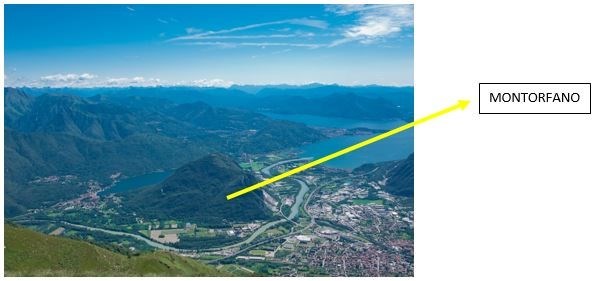
FOTO/IMAGE 1
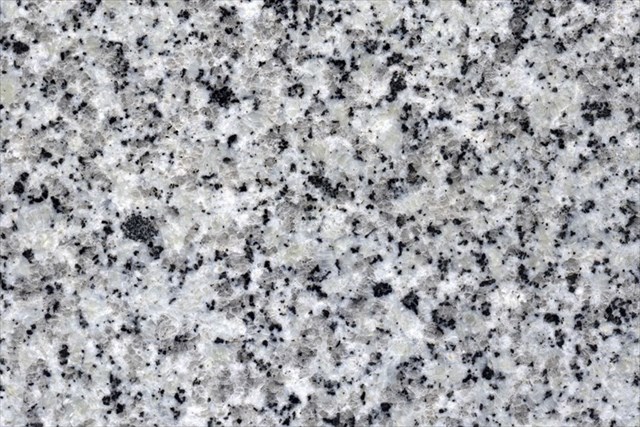
FOTO/IMAGE 2
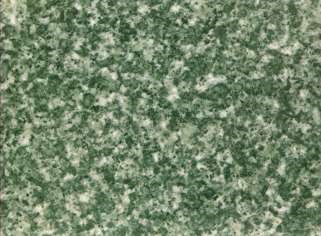
FOTO/IMAGE 3
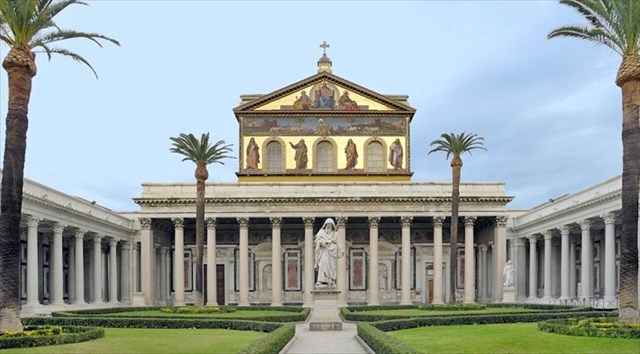
FOTO/IMAGE 4
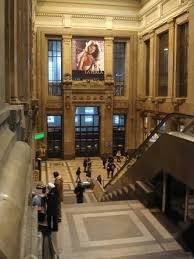
FOTO/IMAGE 5