Kowhai is a Maori word meaning yellow and many species have medicinal uses, for example a solution obtained from boiling the bark or the leaves was used on cuts, wounds and infections. However, all parts of the kowhai plant should be considered poisonous if ingested. There are eight species of kowhai recognised in New Zealand in the genus Sophora. All are endemic species (only occur in New Zealand).
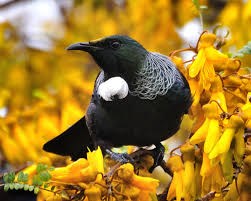
Most species of kowhai are trees but two species have a prostrate or bushy growth habit. All produce bright yellow flowers in winter or spring and these flowers are so profuse they attract nectar feeding birds like tui and bellbirds from some distance away. The nitrogen rich leaves are also highly attractive to native pigeons (kereru) which flock to these trees in spring when berries are in short supply. All species of kowhai produce pods with abundant hard-coated yellow to yellow-brown seeds.
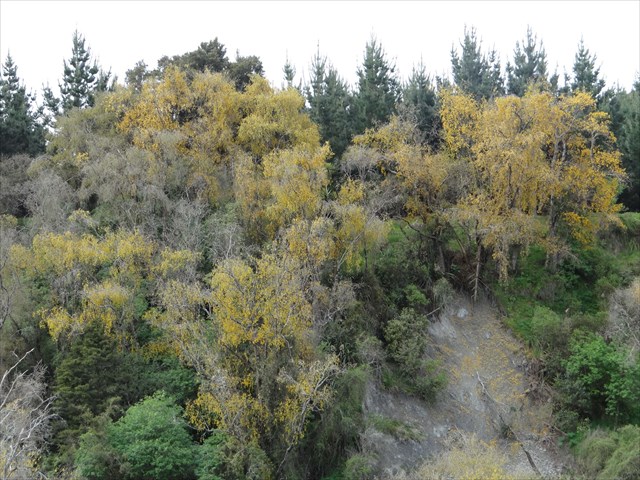
Kowhai occupy a wide range of habitats that includes river terraces, dunes, flood plains, lake margins, hill slopes and rocky ground. In parts of their range, kowhai are now scarce and those that remain are lone trees or small groves growing in isolation. Such trees are vulnerable to further loss through impacts of stock and lack of regeneration opportunities. Rabbits and hares prevent natural recruitment in all but the most inaccessible sites.