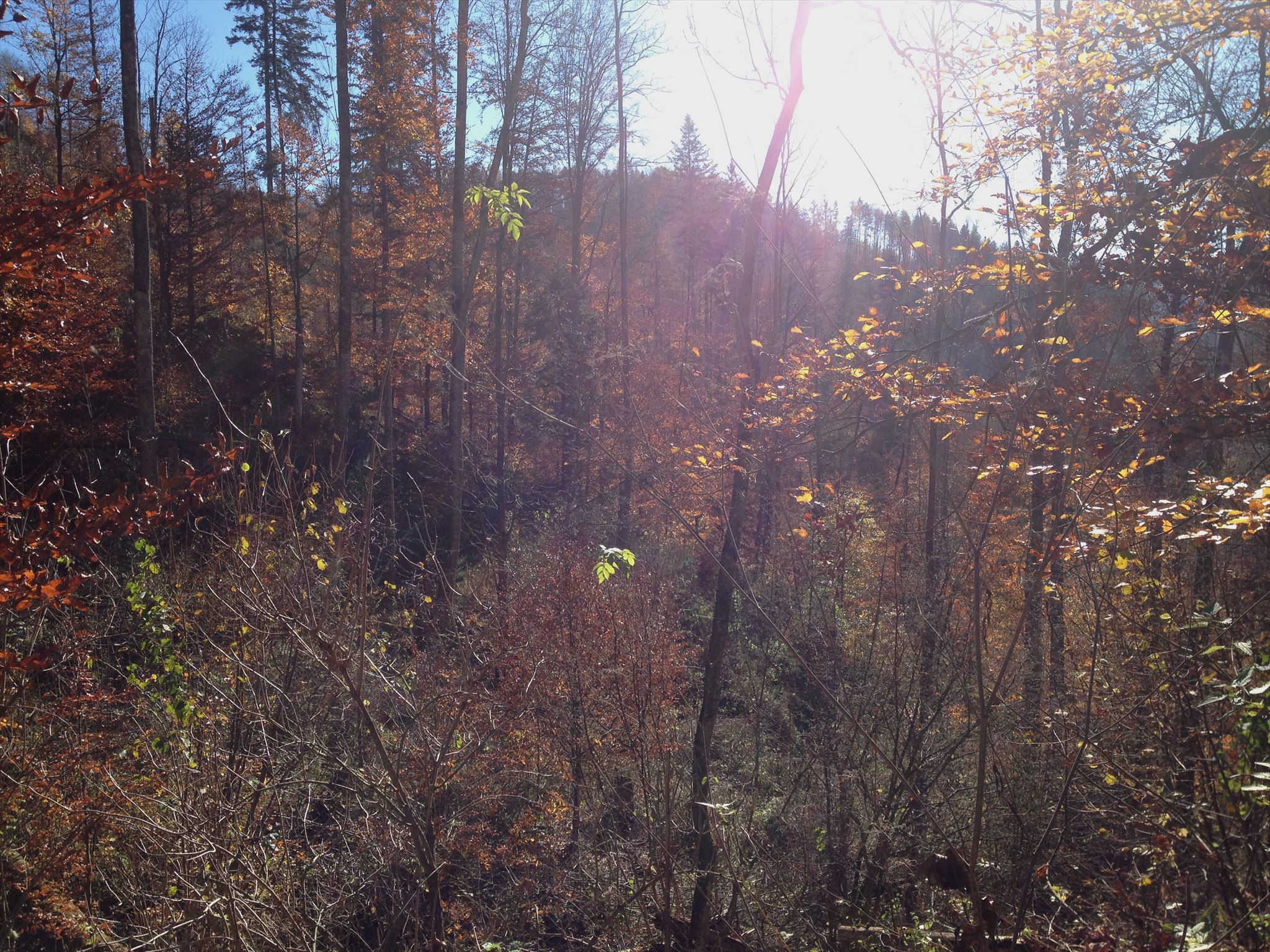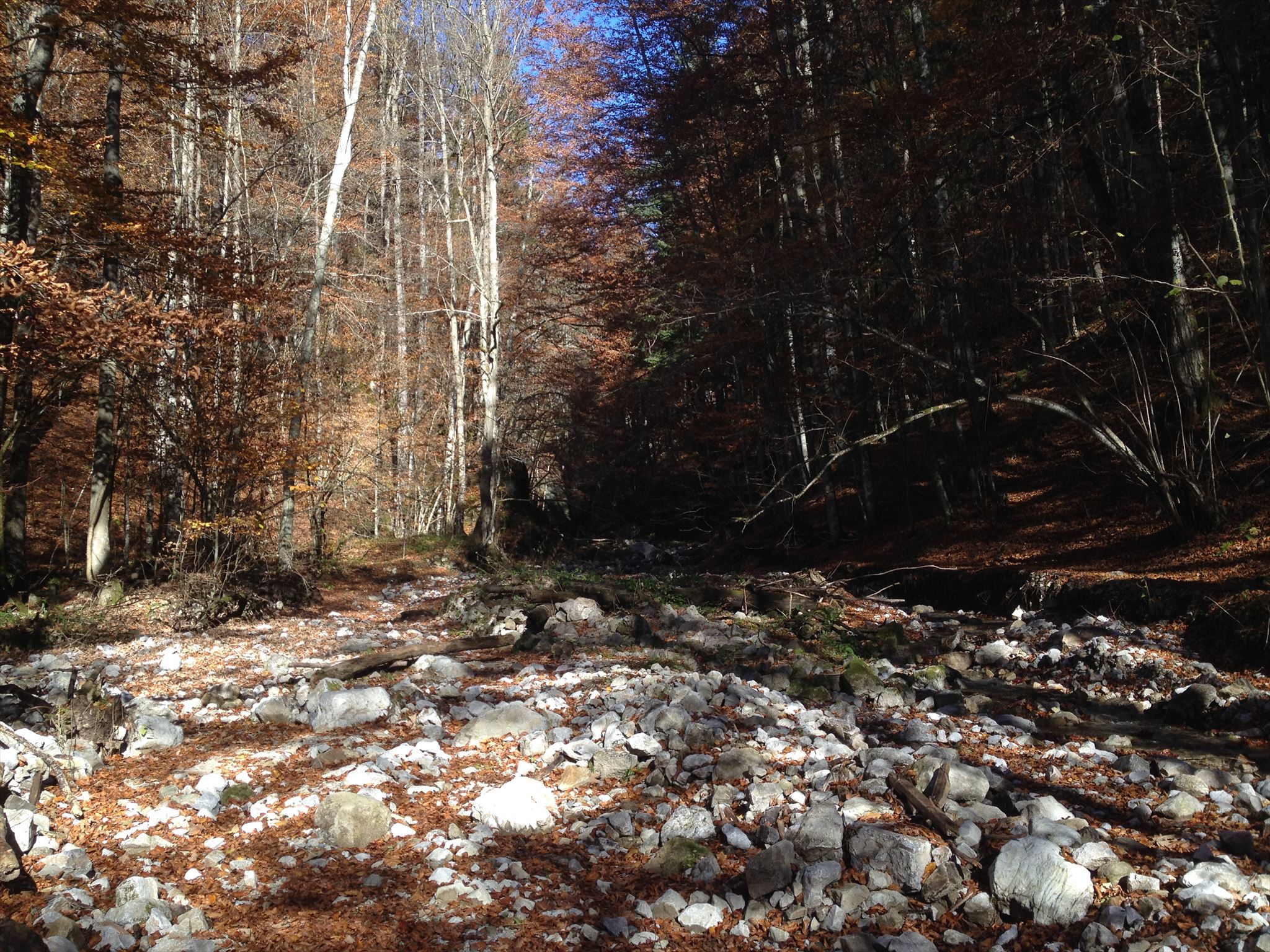
 Masív Kučelachu tvoria husté lesy, skalnaté stráne, bralá a množstvo jaskýň. Z geologického hľadiska ide o vápencovo-dolomitický masív tvoriaci izolovaný krasový ostrov v prostredí kryštalických a vulkanických hornín.
Prírodná pamiatka Čertova jaskyňa patí medzi významné geologické, archeologické a historické lokality. Boli tu nájdené fosílie pravekých lastúrnikov a rias, počas poslednej doby ľadovej sa sem dostali kosti a zuby jaskynného medveďa. V minulosti jaskyňa slúžila ako dočasný úkryt ľuďom pracujúcim v lese, a takisto rôznym skupinám zbojníkov. O návštevnosti jaskyne svedčí množstvo historických podpisov a odkazov; najstaršie z nich sú zo začiatku 19. storočia. V historických písomnostiach môžeme nájsť jaskyňu v spojitosti s výskytom „kamenného mlieka“ - je to mäkký biely sinter, ktorý sa v jaskyni ťažil a vyvážal. Používal sa v ľudovom liečiteľstve.
Sinter je hornina tvorená uhličitanom vápenatým. V jaskyniach sa najčastejšie vyskytuje vo forme kvapľov, tvorí sa chemickým vyzrážaním uhličitanu vápenatého z vody, ktorá presakuje puklinami v strope. Po uvoľnení oxidu uhličitého sa kalcit vyzráža v podobe sintra a vzniká tak výzdoba jaskyne.
Čertova jaskyňa je najvýznamnejšia spomedzi mnohých jaskýň vápencového masívu Kučelachu. Tvoria ju veľké chodby s jazierkami, malé rúrovité kanály a nebezpečné priepasti. V priestoroch jaskyne sa nachádzali rôzne formy jaskynnej výzdoby - kvaple, náteky, jazierka s hrádzkami, excentriká i veľké útvary tvorené sintrom. Zaujímavosťou je, že podzemný tok, ktorý jaskyňu vytvoril a formoval, tečie dnes v neznámych častiach vrchu.
 Čertova jaskyňa je od roku 1993 súčasťou prírodnej rezervácie v Národnom parku Muránska planina. V jaskyni žijú vzácne a chránené živočíchy, často tu môžete vidieť netopiere.
Pre neustále poškodzovanie priestorov bola jaskyňa koncom minulého storočia uzavretá pre verejnosť.
Pár užitočných informácií pred tým, než vyrazíte do terénu
K jaskyni sa môžete dostať po Náučnom chodníku Jakuba Surovca, ten Vás dovedie k potoku, odkiaľ pokračujte podľa waypointov.
Vrátiť naspäť sa môžete trasou, ktorou ste prišli (naspať po Náučnom chodníku Jakuba Surovca); alebo môžete prejsť tiesňavou proti prúdu potoka. Táto cesta nie je vhodná pre malé deti, viac informácií nájdete v listingu Tiesnava v Certovej doline/Gorge in Devil's Valley.
A nezabúdajte - pohybujete sa v prírodnej rezervácii s vysokým stupňom ochranny, používajte výlučne vyznačený chodník. GPS signál tu skáče, súradnice sú približné. Na niektorých miestach môžete ostať úplne bez signálu, ale stojí to tu za to.
Na zalogovanie tejto EarthCache, prosím pošlite správne odpovede na nasledujúce otázky na môj email, uvedený v profile. Ak budem mať doplňujúce otázky, ozvem sa.
Pre získanie odpovedí nie je nutné vstupovať do jaskyne.
1. Aké formy výzdoby sa nachádzali v priestoroch jaskyne? Vymenuj aspoň dve. Ktoré z nich sa zachovali dodnes?
2. V akých formách sa vyskytuje voda v jaskyni?
3. Aká je celková dĺžka jaskyne?
4. Budem rada, ak k svojmu logu priložíte zopár fotiek. Táto úloha je dobrovoľná.
Zdroj: informačná tabuľa, internet
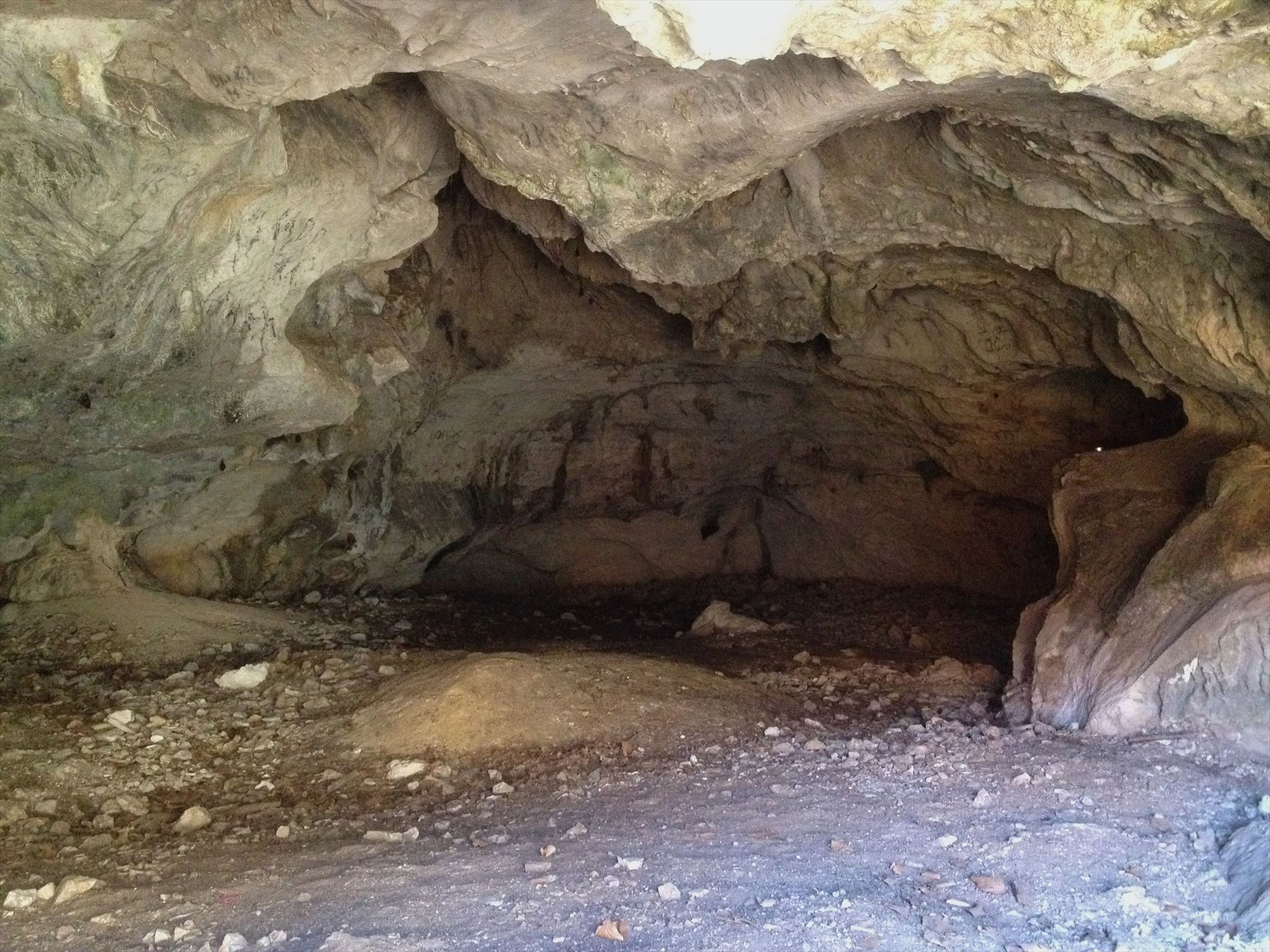
 The highest point of the Slovak Ore Mountains (Slovenské rudohorie) is Fabová hoľa (1435 m a.s.l.) with the narrowest peak called Kučelach (1141 m a.s.l.). At its root, the edge of Devil's Valley, is located Devil's Cave. You can reach the cave when you took inconspicious turn from the Educational path of Jakub Surovec.
Massif of Kučelach consists of dense forests, rocky slopes, cliffs and many caves. In geological terms it is a limestone-dolomite karst massif forming an isolated island in an environment of crystalline and volcanic rocks.
Devil's Cave belongs among significant geological, archaeological and historical sites. There have been found fossils of prehistoric shellfish and algae. From the last ice age period we can find here teeth and bones of a cave bear.
In the past, the cave served as a temporary shelter for people working in the forest, as well as various groups of bandits. Very high visit rate of the cave is proved by many historical messages and signatures left by visitors in the past. The oldest are from the early 19th century.
In historical documents we can found this cave associated with the occurrence of "stone milk" - it's white soft sinter, which was mined and exported here. It was used in folk medicine.
Sinter is a deposit formed by calcium carbonate. In caves it is most common in the form of stalactites. Sinter is formed by chemical precipitation of calcium carbonate from the water that seeps through cracks in the ceiling. After release of carbon dioxide calcite precipitates in the form of sinter, creating decorations of the cave.
Devil's Cave is the most important among the many caves in the limestone Kučelach massif. It consists of a large corridor with conneccting lakes, canals and small tubular abyss, they are pretty dangerous. In the cave was lot of typical scenery - stalactites, flows, lakes, eccentric and large formations of sinter. Interestingly, the underground stream that created and shaped cave, flows today in unknown parts of the mountain.
Devil's Cave has been part of a nature reservation in the National park Muránska planina since 1993. You can find rare and protected animals, often bats as well.
Because of continuous damaging, the cave is closed to the public since the end of the last century.
A few useful informations before you will go hunt for this cache
The cave can be reached through Educational Path of Jakub Surovec, which will lead you to the creek, then follow the waypoints.
You can go back via route that you came (back to the sidewalk on Educational path of Jakub Surovec); or you can go through the gorge upstream creek. This road is not suitable for small children, see listing Tiesnava v Certovej doline/Gorge in Devil's Valley.
And don't forget – you are in a nature reserve with high degree of protection, so use only marked trails. GPS signal is weak here, so coordinates are approximate. In some places you can stay completely without signal, but it's worth seeing it.
To log this EarthCache, please send the correct answers to the following questions to my email, shown in the profile. If I have additional questions, I'll contact you.
You don't need to enter the cave to get the answers.
1. What forms of decoration were found in the cave? Name at least two. Which of them have been preserved to this day?
2. In which forms occures water in the cave?
3. What is the total length of the cave?
4. Upload some pictures. (optional)
If you have problems with translation, just send me photo of you (or your GPS) near info table via message center. Please, don't upload those pictures directly in your log.
Source: information board, internet