Earthcaches are a fun way to learn about geology, and get a different type of find at the same time. There is no physical container to sign.
Placed with permission from the City of Virginia Beach. Please do not climb on the statue. Enjoy all that the area has to offer.
Read the information below for the learning, send me the answers to the questions below, and then log the find. Pictures of you at the site are fun to see, but are not required. This statue combines all three types of rocks into one place, including several examples of each type.


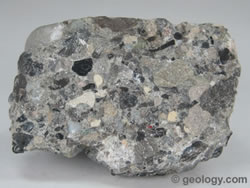
Igneous Metamorphic Sedimentary
Geologists categorize rocks into three types sedimentary, igneous and metamorphic.
Examples of each of these can be seen in the base of the statue - check out the different types of sedimentary rock, including the one with the fossil shells or the textured sandstone, the beautiful mineral formations or the light pumice from the igneous rocks, and the really neat folds and wiggles in the metamorphic rocks
Sedimentary rocks form when small weathered pieces of rock and animal remains are swept downstream and eventually settle on the seabed. As the sediment deposition builds up in horizontal layers the pressure from above cements the minerals together and turns them into rock. The sedimentary rocks at this site are primarily sandstone. The color of the rocks is similar to the sand found in the area. The size of the grains visible in those rocks vary, but the majority of them are small in size. The surface of the rocks weather as they are exposed. The layers of sand, and anything else deposited in the area have formed these rocks. In many of the sandstone items in the statue, you can see items other than sand that were deposited with the sand, which gives a hint to what else was present at that time, as well as the type of location where the sandstone was extracted.
Igneous Rocks are crystalline rocks formed from solidified magma and are formed either by volcanoes where lava and ash form extrusive rocks such as basalt, granite, and tuff, or as intrusive rocks when magma gets trapped in underground pockets. Examples of this type of igneous rock include granite. Rocks which cool more slowly generally allow larger crystals to form. There are several types of igneous rocks on this statue. The pumice is light and airy, with the air pockets forming from the cooling quickly when the melt solidified. The pumice in this statue is brown, but there are several shads of the brown that can be seen, as well as the different sizes of the air pockets. The granite is a fairly coarse grained rock that contains a significant amount of quarts, giving it a light color. The slower cooling allowed the larger crystals to form. The tuff in the surface contains materials ejected from the volcano that all solidified after ejection. Volcanic ash can be seen in these samples.
The final rock type, Metamorphic, form from other rocks that are changed because of heat or pressure. Earth movements or proximity to lava can cause rocks to be heated, deeply buried or squeezed. When some rocks are heated and put under great pressure, the minerals they contain are changed chemically rather than melting, forming metamorphic rocks. The site contains marble, quartzite, and gneiss. The marble here was created from the metamorphism of limestone, and is composed mostly of calcium carbonate. You can distinguish it by the single colored, non-banded samples. The quartzite was produced by the metamorphism of sandstone, and is composed primarily of quartz. It is light grey and has an obvious textured grains.
Observing the three types of rocks is interesting, but there are specifics in these rocks here that set them apart from ordinary rocks. These particular items are the subject of the questions below.
Please send me answers to the questions below:
1. Some of the sedimentary rocks contain items other than sand/clay/stone. This is the part that makes this particular rock different. What are these items, and what size are they? What does that tell you about the area where they were formed?
2. Several of the metamorphic rocks have mineral veins in them, as opposed to the classical metamorphic rock described above. What color are the veins, and what size are they? How do you think this was formed?
Feel free to log after you send the answers. I will contact you if there is a problem.
Statue sculptor is Paul DiPasquale
Please give it a fav point if you like these earthcaches