
KuskuTeam somos: 

El Municipio de Rojales ha dedicado algunas de sus calles, a las diferentes provincias españolas. Sirva esta serie para dar a conocer e invitar a visitar las mismas especialmente a la gran cantidad de visitantes extranjeros que recibimos. Y queremos dedicar la serie precisamente a aquellas que suelen ser menos conocidas y que merecen ser puestas en valor. No se trata de dar una información exhaustiva de cada provincia que forma esta serie, para eso ya está la Wikipedia, sino ofrecer unas pequeñas pinceladas que permitan a quien no la conozca, obtener alguna información de utilidad acerca de las mismas.

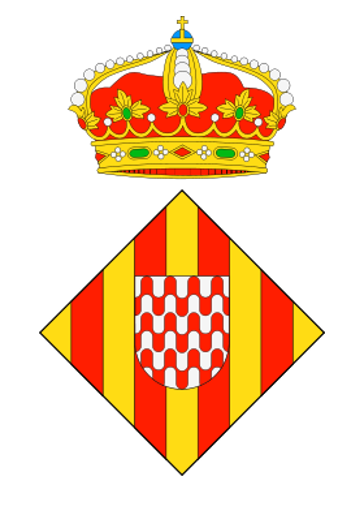
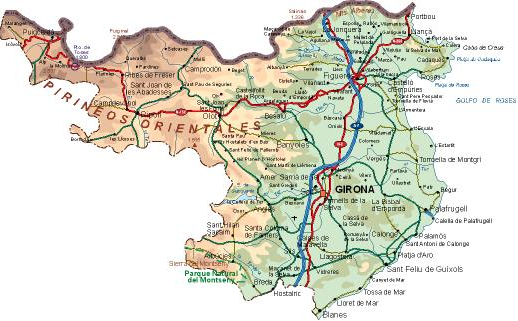
Provincia de Girona: Datos fundamentales:
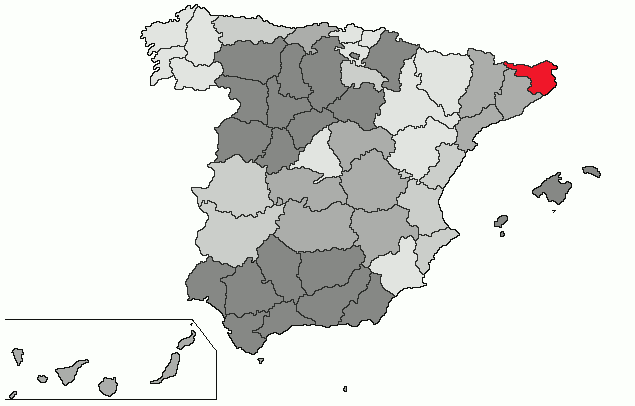
Gerona (en catalán y oficialmente: Girona) es una provincia española situada al nordeste de la comunidad autónoma de Cataluña. Limita con las provincias de Barcelona y Lérida y con la República Francesa, así como con el mar Mediterráneo.
La provincia cuenta con 742.787 habitantes3 (IDESCAT 2016). Su capital es Gerona, donde vive un poco más de la octava parte de la población total.
La provincia cubre un área de 5,886 km2 y está dividida en regiones de la siguiente manera: El Alt Empordá, Pla de I'Estany, Selva, Ripollés, Cerdanya, El Gironés, La Garrotxa yEl Baix Empordá.
Girona es una de las provincias más diversas de España. Tiene la famosa costa llamada Costa Brava, la cual ofrece hermosas playas y alejadas grutas rocosas. Tiene una vasta llanura fértil que es ideal para el turismo rural y tiene muchos lugares para acampar, andar en bicicleta y caminar. Cerca de allí se encuentran Los Pirineos, donde podrás practicar esquí y snowboard durante todo el año.
En la historia de la provincia puede verse que por las zonas del Ampurdán pasaron las legiones romanas. Pompeyo construyó un oppidum sobre la Vía Heráclea (futura vía Augusta) y por ella transcurrieron las vías terrestres. El siglo XIII es la época de máximo esplendor de la comunidad sefardí y esto se regleja en la influencia de dicha comunidad tanto en su arquitectura como en su arte y gastronomía.
Su capital:
Girona dá nombre también a su capital, que se encuentra a 30 minutos en coche de la Costa Brava. Hay varias rutas de acceso a las diferentes partes de la costa. Puedes tomar cualquiera de las rutas secundarias directamente desde el centro de Girona o puedes tomar la autopista A7, que es más rápida (pero debes pagar peaje), y tomar la salida desde la autopista según la parte de la costa que desees visitar. Las ciudades en la Costa Brava están muy bien señalizadas en la autopista A7.
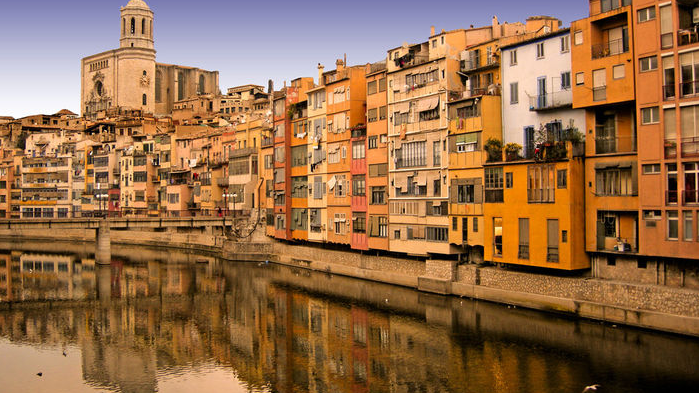
Respecto de Los Pirineos, Girona se encuentra a aproximadamente una hora y media en coche. También puedes llegar hasta Francia en una hora y media a través de la autopista A7 en dirección norte.
La distancia que separa a Gerona de Barcelona es de aproximadamente una hora 20 minutos de viaje en coche a través de la autopista A7. Tienes que dirigirte hacia el sur y el camino hacia Barcelona está muy bien señalizado.
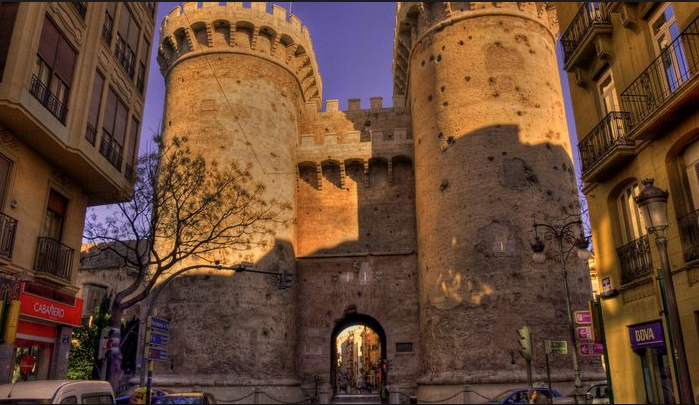
El aeropuerto de Girona se encuentra distante de la ciudad a 20 minutos de viaje hacia el sur y recibe varios vuelos económicos. El viaje en coche entre Barcelona y el aeropuerto de Girona dura aproximadamente una hora. Varios turistas que tienen pensado visitar Barcelona encuentran que viajar en avión hasta Girona es una opción más económica. Luego puedes tomar el autobús, un taxi o alquilar un coche para llegar hasta Barcelona.
Girona tiene un precioso barrio Histórico Judío muy fácil de visitar a pie. Hay muchos museos allí y los edificios están hechos en piedra y ubicados sobre angostas calles de adoquines. Verás muchos bares y restaurantes pintorescos en este lugar, que también es ideal para comprar antigüedades.

Como la ciudad de Girona no depende económicamente del turismo, no está vacía durante el invierno como muchas otras ciudades costeras. El clima invernal es templado, por lo cual es fantástico viajar a Girona en esta época del año. El ambiente del lugar es muy tranquilo durante todo el año y es un sitio excelente para disfrutar de todo lo que una ciudad pequeña tiene para ofrecerte, mientras escapas de las hordas de turistas y del ajetreo de la costa.
Hay muchas atracciones turísticas para toda la familia en Girona. Encontrarás edificios antiguos, jardines botánicos, centros comerciales y una gran variedad de deportes al aire libre.
Girona tiene mucho para ofrecerte. Hay actividades para la familia, para las parejas, para jóvenes y para gente mayor. La provincia es extremadamente diversa y la ciudad de Girona tiene un precioso barrio Histórico que es la principal atracción turística. Debido a su clima templado, Girona es un lugar ideal para viajar en cualquier momento del año.
Los 10 pueblos de la provincia que no debes dejar de visitar:
Los municipios de mayor interés de Girona son los siguientes:
1.- CAMPRODON
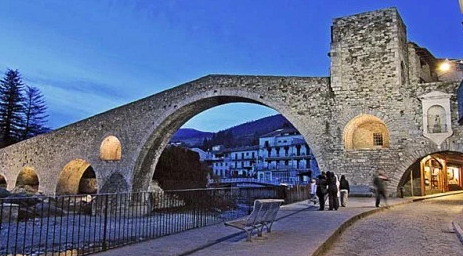
Comenzaremos por este encantador pueblo de la comarca del Ripollès, en el corazón de los Pirineos orientales donde se unen los ríos Ritort y Ter que pasan por debajo de su magnífico puente románico.
2.- BEGET
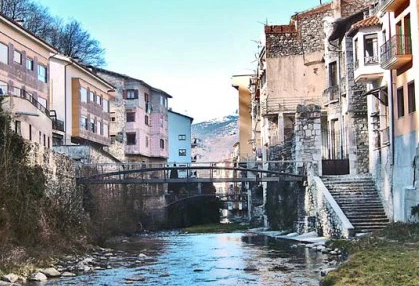
A pocos kilómetros no podemos dejar de visitar este pintoresca localidad que tiene sus orígenes en la Edad Media. Su iglesia románica, sus calles y casas de piedra y sus dos puentes medievales perfectamente conservados le hacen un lugar único.
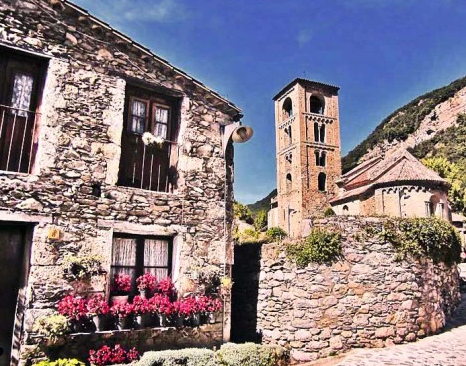
3.- CASTELFOLLIT DE LA ROCA
Nos trasladamos a la Garrotxa para contemplar este magnífico pueblo enclavado en un riscal de basalto de 50 metros de altura. Como curiosidad decir que tiene menos de 1 km2 de superficie, siendo el pueblo más pequeño de la provincia de Girona.
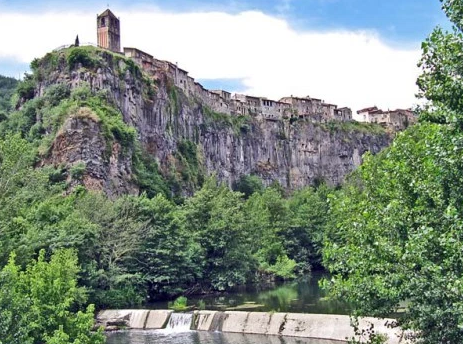
4.- BESALU
Seguimos en la Garrotxa para admirar uno de los más importantes y mejor conservados conjuntos medievales de Cataluña. Pasear por sus calles es trasladarnos al pasado y más aún cuando contemplamos el majestuoso puente románico sobre el río Fluvià, la foto más característica de esta población que se realiza.
¡¡A ver si en vuestro recorrido encontráis esas sillas que están colgadas en algunas fachadas de la villa!!.
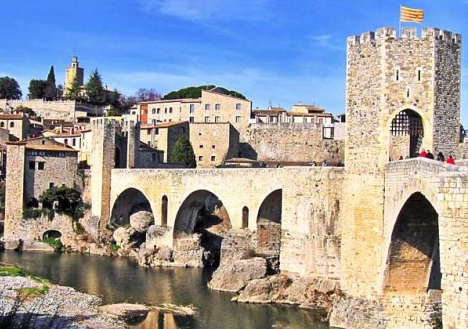
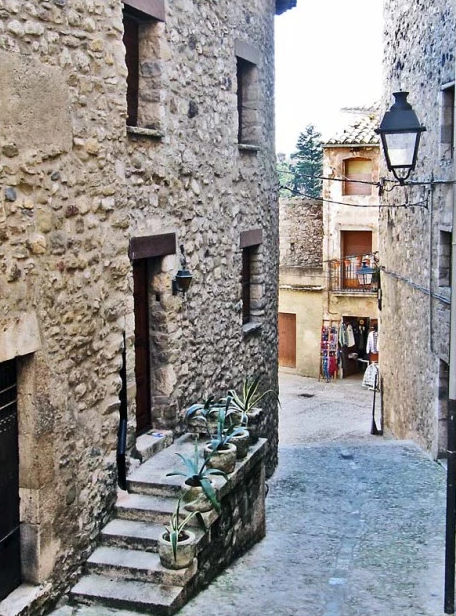
5.- CADAQUES
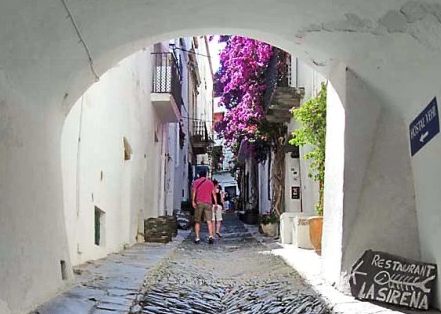
Nos vamos hacia al Alt Empordà, donde encontramos el pueblo posiblemente más conocido y visitado de todo Girona, ya que a parte de tener un casco antiguo encantador, aquí tuvo su residencia Salvador Dalí. No debemos dejar de visitar su iglesia parroquial, la de Santa María, ya que desde aquí hay unas bonitas vistas.

6.- MONELLS
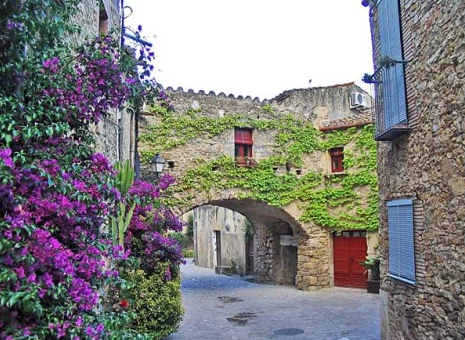
Ya en el Baix Empordà se encuentra el municipio de Monells que se formó alrededor del antiguo castillo del que solamente se conservan las murallas. Cada rincón del pueblo nos trae recuerdos de su pasado medieval.

7.- PERATALLADA
No muy lejos se encuentra Peratallada que fue declarado Conjunto Histórico-Artístico por ser uno de los núcleos de arquitectura medieval más importantes y mejor conservados de Cataluña.
8.- PALS
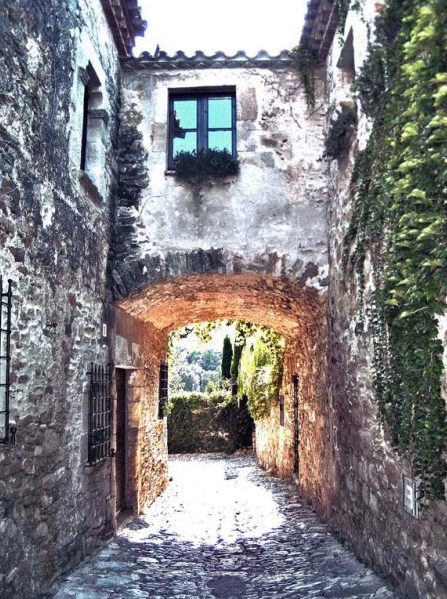
Pals muy cerca de Peratallada, es otro centro histórico medieval con calles empedradas y casas señoriales construida entre los siglos XI y XIII. Lo mejor perderse por sus calles y llegar al mirador de Josep Pla desde donde podemos ver las Islas Medas.

9.- CALELLA DE PARAFURGELL
Calella de Palafrugell otra de las localidades pintoresca que nos deja el Empordà. Es un bello pueblo de pescadores salpicado de calas. Un lugar ideal para disfrutar de un día de playa en un entorno encantador.
Desde aquí podemos hacer el camino de ronda que va hasta Llafranch o ya subir hasta el Faro de San Sebastian. Seguro que os encanta. Aquí podéis ver el recorrido.


10.- TOSSA DE MAR
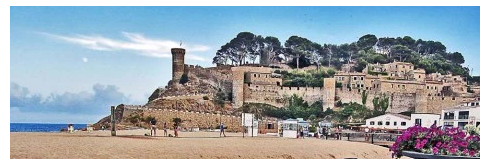
Está situado en la comarca de la Selva y su origen se remonta a los romanos, quienes la denominaron Turissa. Lo más característico es el recinto amurallado de Vila Vella que se levantó para contrarrestar los frecuentes ataques que sufrían de los piratas.
Un bonito paseo es subir hasta el faro y luego recorrer su bullicioso centro urbano. Si es verano podemos pasar el día en alguna de sus playas.
Algo de su gastronomía:
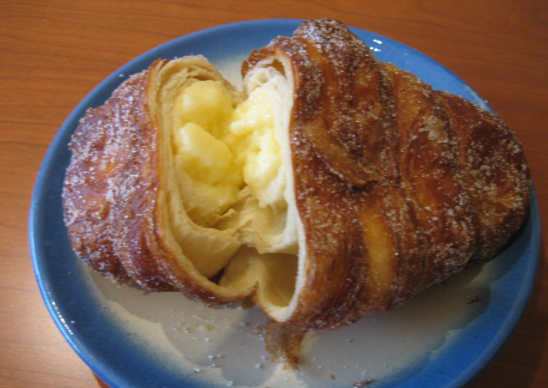
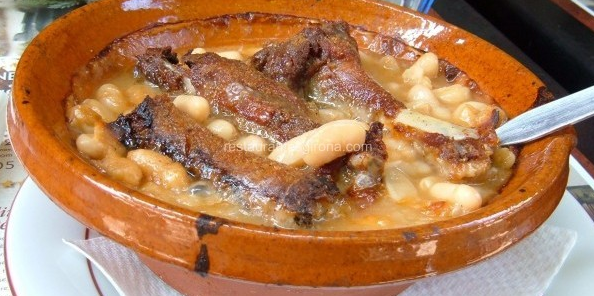
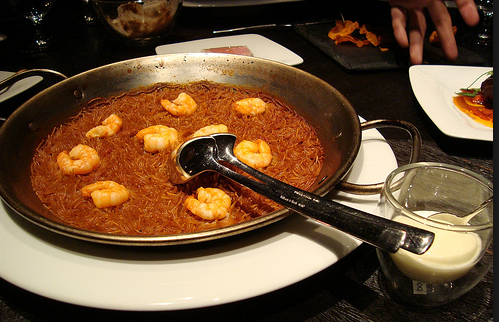
En cuanto a su gastronomía, se encuentran dos subregiones diferenciadas, en interior o Ampurdán (que posee influencias de la cocina aragonesa y navarra) y la zona de Costa Brava. Comparte con la Provenza francesa la fama por la elaboración de cassoulets. Es la provincia catalana más llena de contrastes, por un lado la costa y por otro lado los bosques con los pirineos. Estos paisajes conjugan la ganadería con la más rica producción costera. Uno de los productos más característicos de la provincia, procede de la repostería gerundense y es el xuxo. Una especie de masa que se fríe en aceite de oliva que luego se rellena de crema.
El Ampurdán se ha venido a denominar cuna de la cocina española.2 En algunos casos la mezcla de ingredientes de interior y de la costa proporciona platos de mar y montaña. Algunos lácteos son importantes como cabe destacar las mantequillas del Alto Urgel y la Cerdaña, así como el queso del Alto Urgel y la Cerdaña.

De los cocidos (o escudellas) se tiene la abundante escudella de Pagès, servida en dos vuelcos. Algunos platos de carne son populares como el bou estofat, el guisado de ternera con guisantes, los callos. De los platos de cordero son famosas los asados en costellades.
SOBRE EL CACHÉ
Se trata de un caché mimético, integrado en los elementos urbanísticos de la zona. Aunque el lugar es relativamente tranquilo, se ruega la maxima discrección a la hora de buscar y devolver a su sitio el caché, pues es una serie costosa y dificil de reponer.
Para mantener la esencia de los cachés y su dificultad, no se incluye ningun tipo de pista salvo en el caso de requerir alguna operación especial con alguna herramienta. Cualquier texto o foto que supongan desvelar algun elemento del caché será borrado sin previo aviso.
Gracias por buscar esta serie y esperamos que la disfruteis tanto como nosotros escondiendola
ES MUY DE DESEAR Y DE AGRADECER UN REGISTRO DE VUESTRAS VISITAS QUE SEA ALGO MAS QUE UN SIMPLE :
"TFTC ;)" o "EASY FOUND"
COLOCAR UNA SERIE DE ESTE ESTILO REQUIERE MUCHO TIEMPO, DEDICACIÓN Y DINERO, MUCHO MAS QUE EL QUE SE TARDA EN HACER UN BUEN LOG.

The Municipality of Rojales has dedicated some of its streets, to the different Spanish provinces. Serve this series to make known and invite to visit them especially the large number of foreign visitors we receive. And we want to dedicate the series precisely to those that are usually less known and deserve to be valued. It is not a question of giving an exhaustive information of each province that forms this series, for that is already the Wikipedia, but to offer a few brushstrokes that allow to whom does not know it, to obtain some useful information about the same ones.
Province of Girona: Key facts:
Gerona (in Catalan and officially: Girona) is a Spanish province located to the northeast of the autonomous community of Catalonia. It limits with the provinces of Barcelona and Lérida and with the French Republic, as well as with the Mediterranean Sea.
The province has 742,787 inhabitants3 (IDESCAT 2016). Its capital is Gerona, where it lives a little more than eighth of the total population.
The province covers an area of 5,886 km2 and is divided into regions as follows: The Alt Empordá, Pla de I'Estany, Selva, Ripollés, Cerdanya, El Gironés, La Garrotxa and El Baix Empordá.
Girona is one of the most diverse provinces in Spain. It has the famous coast called Costa Brava, which offers beautiful beaches and distant rocky caves. It has a vast fertile plain that is ideal for rural tourism and has many places for camping, biking and walking. Nearby are the Pyrenees, where you can practice skiing and snowboarding throughout the year.
In the history of the province it can be seen that the Roman legions passed through the areas of Ampurdán. Pompey built an oppidum on the Via Heráclea (future via Augusta) and through it passed terrestrial routes. The XIII century is the time of maximum splendor of the Sephardic community and this is regulated in the influence of this community as much in its architecture as in its art and gastronomy.
The city of Girona:
Girona also gives its name to its capital, which is a 30-minute drive from the Costa Brava. There are several access routes to the different parts of the coast. You can take any of the secondary routes directly from the center of Girona or you can take the A7 motorway, which is faster (but you must pay toll), and take the exit from the motorway depending on the part of the coast that you want to visit. The towns on the Costa Brava are very well signposted on the A7 motorway.
For the Pyrenees, Girona is about an hour and a half by car. You can also reach France in an hour and a half via the A7 motorway heading north.
The distance separating Gerona from Barcelona is approximately an hour 20 minutes drive by car via the A7 motorway. You have to go south and the road to Barcelona is very well signposted.
The airport of Girona is distant of the city to 20 minutes of travel towards the south and receives several economic flights. The journey by car between Barcelona and Girona airport takes approximately one hour. Several tourists who plan to visit Barcelona find that traveling by plane to Girona is a more economical option. Then you can take the bus, a taxi or rent a car to get to Barcelona.
Girona has a beautiful Jewish Historical district very easy to visit on foot. There are many museums there and the buildings are made of stone and located on narrow cobblestone streets. You will see many quaint bars and restaurants in this place, which is also ideal for buying antiques.
As the city of Girona does not depend economically on tourism, it is not empty during the winter like many other coastal cities. The winter weather is temperate, so it is fantastic to travel to Girona at this time of year. The atmosphere of the place is very quiet throughout the year and is an excellent place to enjoy all that a small town has to offer, while escaping the hordes of tourists and the hustle and bustle of the coast.
There are many tourist attractions for the whole family in Girona. You will find old buildings, botanical gardens, shopping centers and a variety of outdoor sports.
Girona has a lot to offer you. There are activities for the family, for couples, for young people and for seniors. The province is extremely diverse and the city of Girona has a beautiful historic district which is the main tourist attraction. Due to its mild climate, Girona is an ideal place to travel at any time of the year.
The 10 towns of the province that you should not miss:
The most interesting towns in GIRONA are:
1.- CAMPRODON
We will start with this charming village in the region of Ripollès, in the heart of the eastern Pyrenees where the Ritort and Ter rivers meet underneath its magnificent Romanesque bridge.
2.- BEGET
A few kilometers away we can not miss this picturesque town that has its origins in the Middle Ages. Its Romanesque church, its streets and stone houses and its two perfectly preserved medieval bridges make it a unique place.
3.- CASTELFOLLIT DE LA ROCA
We moved to the Garrotxa to see this magnificent village nestled in a basalt riscal of 50 meters high. As curiosity to say that it has less than 1 km2 of surface, being the smallest town of the province of Girona.
4.- BESALU
We continue in the Garrotxa to admire one of the most important and best preserved medieval ensembles of Catalonia. Strolling through its streets is moving to the past and even more so when we contemplate the majestic Romanesque bridge over the Fluvià River, the most characteristic photo of this town.
Try to find along your route those chairs that are hanging in some facades of the town !!.
5.- CADAQUES
We go to the Alt Empordà, where we find the village possibly best known and visited all over Girona, as apart from having a charming old town, here was his residence Salvador Dalí. We must not stop to visit its parish church, the one of Santa Maria, since from here there are some beautiful views.
6.- MONELLS
Already in the Baix Empordà is the municipality of Monells that was formed around the old castle from which only the walls are preserved. Every corner of the town brings us memories of its medieval past.
7.- PERATALLADA
Not far away is Peratallada which was declared Historic-Artistic Complex for being one of the most important and best-preserved medieval nuclei of architecture in Catalonia.
8.- PALS
Pals very close to Peratallada, is another medieval historical center with cobbled streets and manor houses built between the eleventh and thirteenth centuries. The best to get lost in its streets and reach the viewpoint of Josep Pla from where we can see the Medes Islands.
9.- CALELLA DE PARAFURGELL
Calella de Palafrugell another of the picturesque localities that leaves us the Empordà. It is a beautiful fishing village dotted with coves. An ideal place to enjoy a beach day in a lovely setting.
From here we can make the round road that goes to Llafranch or to climb to the Lighthouse of San Sebastian. I'm sure you love it. Here you can see the route.
10.- TOSSA DE MAR
It is located in the region of the Forest and its origin goes back to the Romans, who called it Turissa. The most characteristic is the walled enclosure of Vila Vella that rose to counter the frequent attacks that suffered from the pirates.
A nice walk is to climb up to the lighthouse and then walk through its bustling urban center. If it is summer we can spend the day in one of its beaches.
Some of its gastronomy::
As for its gastronomy, there are two different subregions, in the interior or Ampurdán (that has influences of the Aragonese and Navarrese cuisine) and the zone of Costa Brava. It shares with French Provence the fame for the elaboration of cassoulets. It is the Catalan province most full of contrasts, on the one hand the coast and on the other hand the forests with the Pyrenees. These landscapes combine livestock with the richest coastal production. One of the most characteristic products of the province, comes from the Girona bakery and is the xuxo. A kind of dough that is fried in olive oil that is then filled with cream.
The Ampurdán has come to be called the cradle of Spanish cuisine.2 In some cases the mixture of ingredients of interior and of the coast provides dishes of sea and mountain. Some dairy products are important, such as butters from the High Urgel and Cerdanya, as well as the cheese from the High Urgel and the Cerdanya.
Of the boiled (or escudellas) one has the abundant escudella of Pagès, served in two rollovers. Some meat dishes are popular as bou estofat, veal stew with peas, calli. Of the dishes of lamb are famous the roasts in costellades.
ABOUT THE CACHÉ
It is a mimetic cache, integrated in the urban elements of the area. Although the place is relatively quiet, please do not hesitate to search and return the cache to your site, because it is an expensive series and difficult to replace.
In order to maintain the essence of the caches and their difficulty, it does not include any type of track except in the case of requiring some special operation with any tool.. Any text or photo that suppose to unveil some element of the cache will be deleted without previous warning.
Thanks for looking for this series and we hope you enjoy it as much as we hide it.
IT IS VERY TO DESIRE AND THANK A REGISTRY OF YOUR VISITS THAT IS SOMETHING MORE THAN A SIMPLE:
"TFTC ;)" or "EASY FOUND"
PLACING A SERIES OF THIS STYLE REQUIRES A LONG TIME, DEDICATION AND MONEY, MUCH MORE THAN THE ONE THAT IT TAKES TO MAKE A GOOD LOG.