Black Flies Traditional Cache
Please note Use of geocaching.com services is subject to the terms and conditions
in our disclaimer.
Black flies, definitely plural, come in swarms. They need a blood meal for reproduction. I hope they don’t get it from you or me! You can learn how to protect yourself as best as possible, from the following cache page.
Please, remember to BYOP. More info at the bottom of the page.
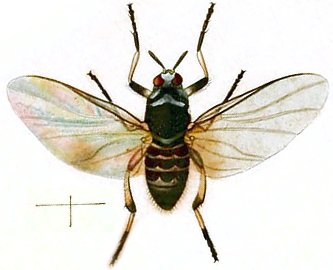
Adult of Simulium trifasciatum
Black flies
A black fly (sometimes called a blandford fly, buffalo gnat, turkey gnat, or white socks) is any member of the family Simuliidae of the Culimorpha infraorder. Over 1,800 species of black flies are known (of which 11 are extinct). Most species belong to the immense genus Similium. Most black flies gain nourishment by feeding on the blood of mammals, including humans, although the males feed mainly on nectar. They are usually small, black or gray, with short legs, and antennae. They are a common nuisance for humans, and many U.S. states have programs to suppress the black fly population. They spread several diseases, including river blindness in Africa (Simulium damnosum and S. neavei) and the Americas (S. callidum and S. metallicum in Central America, S. ochraceum in Central and South America).
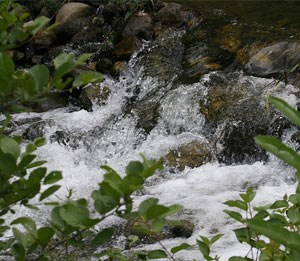
Eggs are laid in running water, and the larvae attach themselves to rocks. Breeding success is highly sensitive to water pollution. The larvae use tiny hooks at the ends of their abdomens to hold on to the substrate, using silk holdfasts and threads to move or hold their place. They have foldable fans surrounding their mouths. The fans expand when feeding, catching passing debris (small organic particles, algae, and bacteria). The larva scrapes the fan's catch into its mouth every few seconds. Black flies depend on lotic habitats to bring food to them. They will pupate under water and then emerge in a bubble of air as flying adults. They are often preyed upon by trout during emergence. The larva of some South African species are known to be phoretic on mayfly nymphs.
A female black fly
Adult males feed on nectar, while females exhibit anautogeny and feed on blood before laying eggs. Some species in Africa can range as far as 40 mi (64 km) from aquatic breeding sites in search of their blood meals, while other species have more limited ranges.
Different species prefer different host sources for their blood meals, which is sometimes reflected in the common name for the species. They feed in the daytime, preferably when wind speeds are low.
Black flies may be either univoltine or multivoltine, depending on the species. The number of generations a particular pest species has each year tends to correlate with the intensity of human efforts to control those pests.
Regional effects of black fly populations
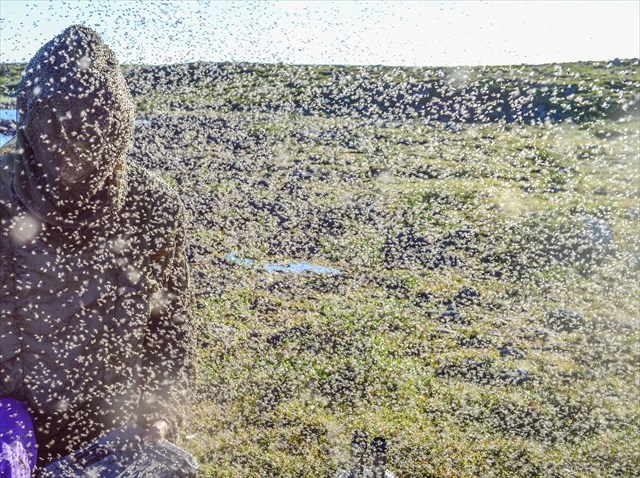
Black flies attack a canoe expedition in July 2015 in the Canadian Arctic, Dubawnt River, Nunavut,
• In the wetter parts of the northern latitudes of North America, including parts of Canada, New England, Minnesota, and the Upper Peninsula of Michigan, black fly populations swell from late April to July, becoming a nuisance to humans engaging in common outdoor activities, such as gardening, boating, camping, and backpacking. They can also be a significant nuisance in mountainous areas.
• Black flies are a scourge to livestock in Canada, causing weight loss in cattle and sometimes death.
• Pennsylvania, in the United States, operates the largest single black fly control program in North America. The program is seen as beneficial to both the quality of life for residents and to the state's tourism industry.
• The Blindfold fly (Simulium posticatum) in England was once a public health problem in the area around Blindfold Forum, Dorset, due to its large numbers and the painful lesions caused by its bite. It was eventually controlled by carefully targeted applications of Bacillus thuringiensis israelensis. In 2010, a summer surge of insect bites blamed on the Blandford fly required many who had been bitten to be treated in a hospital.
• The New Zealand "sandflies" are actually black flies of the species Austrosimulium australense andA. ungulates.
• In parts of Scotland, various species of black flies are a nuisance and bite humans, mainly between May and September. They are found mainly in mixed birch and juniper woodlands, and at lower levels in pine forests, moorlands, and pastures. Bites are most often found on the head, neck, and back. They also frequently land on legs and arms.
Public health
Only four genera in the Simuliidae family, Similium, Prosimilium, Austrosimilium and Cnepia, contain species that feed on people, though other species prefer to feed on other mammals or on birds. Simulium, the type genus, is the most widespread and is a vector for several diseases, including river blindness.
Mature adults can disperse tens or hundreds of kilometers from their breeding grounds in fresh flowing water, under their own power and assisted by prevailing winds, complicating control efforts. Swarming behavior can make outdoor activities unpleasant or intolerable, and can affect livestock production. Even non-biting clouds of black flies, whether composed of males or of species that do not feed on humans or do not require a blood meal before egg laying, can form a nuisance by swarming into orifices.
Bites are shallow and accomplished by first stretching the skin using teeth on the labrum and then abrading it with the maxillae and mandibles, cutting the skin and rupturing its fine capillaries. Feeding is facilitated by a powerful anticoagulant in the flies' saliva, which also partially numbs the site of the bite, reducing the host's awareness of being bitten and thereby extending the flies' feeding time. Biting flies feed during daylight hours only and tend to zero in on areas of thinner skin, such as the nape of the neck or ears and ankles.
Itching and localized swelling and inflammation sometimes occurs at the site of a bite. Swelling can be quite pronounced depending on the species and the individual's immune response, and irritation may persist for weeks. Intense feeding can cause "black fly fever", with headache, nausea, fever, swollen lymph nodes, and aching joints; these symptoms are probably a reaction to a compound from the flies' salivary glands. Less common severe allergic reactions may require hospitalization.
Repellents provide some protection against biting flies. Products containing the active ingredient DEET (N,N-diethyl-meta-toluamide) or picaridin are most effective. However, given the limited effectiveness of repellents, protecting oneself against biting flies requires taking additional measures, such as avoiding areas inhabited by the flies, avoiding peak biting times, and wearing heavy-duty, light-colored clothing, including long-sleeve shirts, long pants and hats. When black flies, for example, are numerous and unavoidable, netting that covers the head, like the “bee bonnets” used by beekeepers, can provide protection.
Black Fly Season in the Adirondacks - Tips & Advice
It's an inevitable fact of being outdoors in the Northeast in the summer - you're bound to have encounters with black flies. Although they may be small in size, their bites pack a big punch and can make fun outings unbearable.
Black flies are often found in swarms, so you may wind up with multiple bites from a single encounter. Before you head outside, be sure to read up on these tips for dealing with these tiny pests.
When and Where are Black Flies the Worst?
Black fly season typically starts in the middle of May and runs through late June or early July. The flies are most active several hours after sunrise and an hour or two before sunset due to the humidity of the air and the position of the sun. When the air is dry, flies may seek moisture in leaf litter on the ground. Although their bites do not spread disease to humans, they are painful, itchy, and can even cause severe allergic reactions in some people.
The insects lay their eggs in clean, fast-running water - like rivers and streams - that are commonly located in wooded areas. This is why you're most likely to encounter them when you're hiking, camping, paddling, or fishing in or near the woods.
How Can I Avoid Black Flies?
Since it's unrealistic to stay inside until black fly season is over, try the following methods to avoid the pests:
• Have your outdoor fun in the middle of the day, especially when the weather is dry and sunny, as black flies will be less active during this time
• When hiking, avoid trails that run along streams, since that's where black flies lay their eggs
• When paddling, explore lakes and ponds instead of rivers and streams. The openness of the area surrounding lakes and ponds is less appealing to black flies, and the wind you'll find in the middle of these bodies of water has added benefits for keeping the flies away
• Wind makes it more difficult for black flies to track down a host, so windy days are better for outdoor adventure
• The carbon dioxide created by a campfire can also make flies less able to target a host - only start a campfire when it's safe to do so, and be sure to monitor the fire the entire time
How Can I Repel the Flies?
Here are some tips for repelling pesky black flies:
• Wear long sleeves and pants when outdoors
• Wear light-colored clothing (flies are attracted to dark colors)
• Wear a hat with attached netting to prevent flies from swarming your face
• Try natural repellants, like vanilla extract, lavender, and pine branch extract
• Avoid wearing perfumes and consuming sweetened foods or beverages
• Use insect repellent, like those containing DEET
• Light a campfire to disguise your scent (but be sure to tend the fire responsibly)
How Can I Treat Black Fly Bites?
Although they are typically slow to heal, black fly bites can be soothed by a number of different remedies.
First, be sure to wash the area with soap and warm water, but make sure you don't scratch or further irritate the bite. Next, apply aloe vera, witch hazel, calamine lotion, or other gentle topical agents that soothe irritation. If those remedies don't work, or if there are symptoms of an allergic reaction, an antihistamine may be necessary.
The cache is a tied in, camoed, small pill bottle, that has to be pushed hard to open and close. Please BYOP and make sure you put things back as you found them. That means, keep track of the rubber band, and seal the plastic bag before returning it to the bottle. Also make sure the bottle is screwed on tightly, to make sure the wet stays out. Thanks!
Beware! There's Wild Parsnip along the roadside, outside the fence.
Additional Hints
(No hints available.)
Treasures
You'll collect a digital Treasure from one of these collections when you find and log this geocache:

Loading Treasures