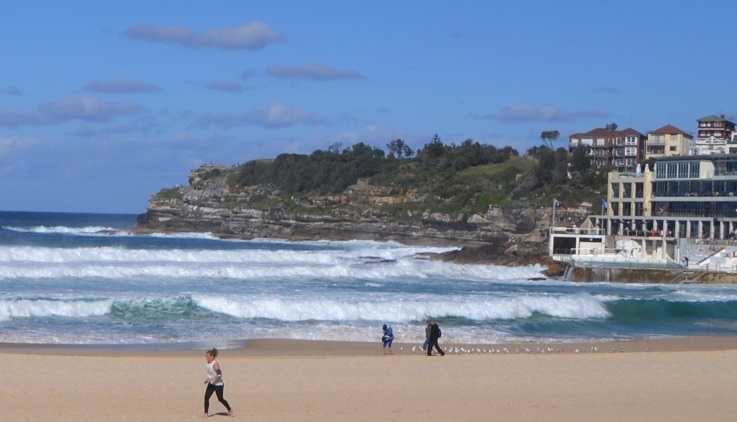
Pothole – What is it?
There are millions of potholes on Earth and many geologists are curious about them and have studied them. Their formation is intricately connected to the presence of water. We also have hundreds of accounts of ancient flood legends amongst just about every ethnic group of people on Earth and there is most likely an intricate connection between these legends and the presence of so many potholes on Earth. 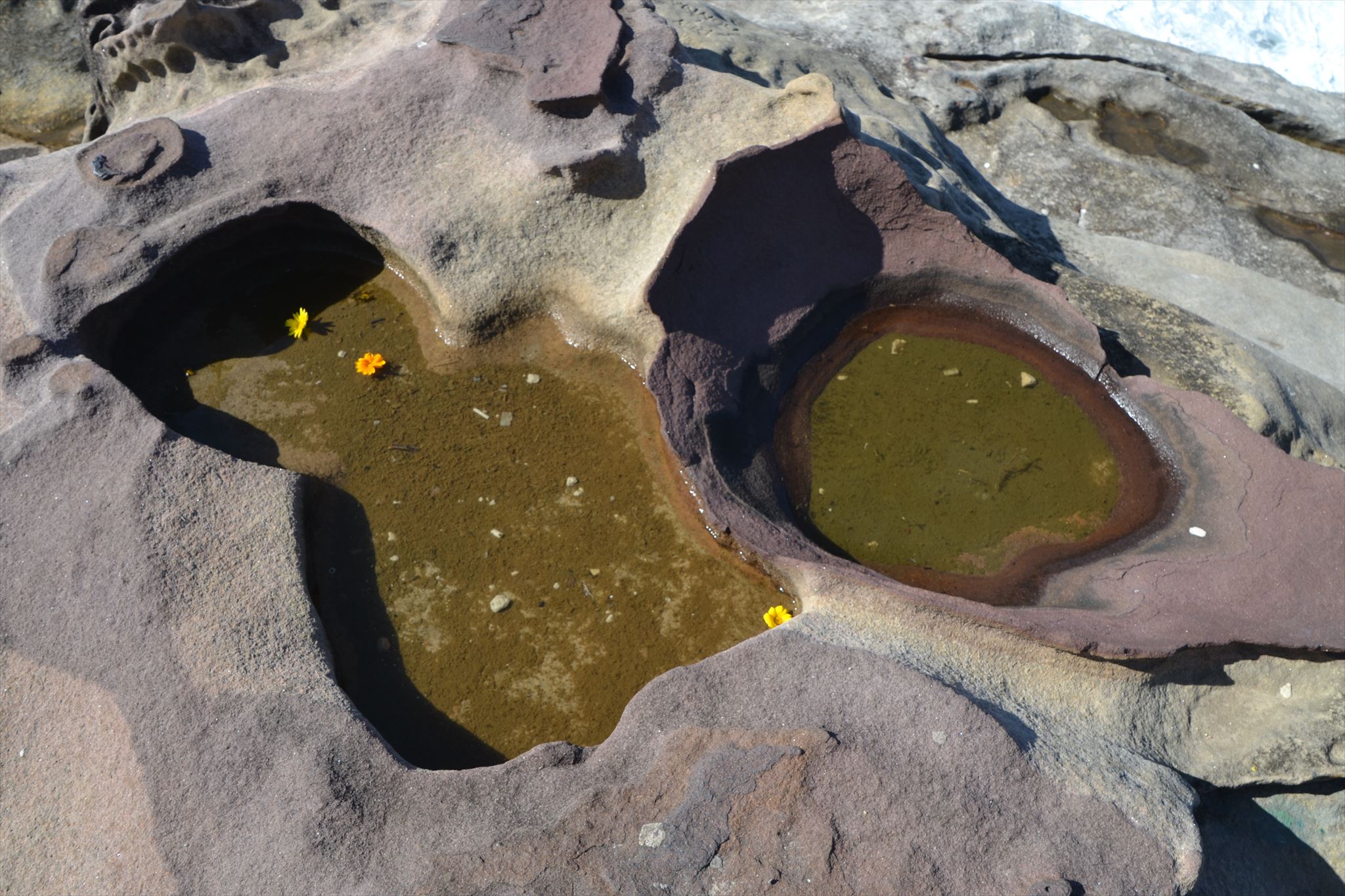 Potholes come in many sizes and shapes ranging from small potholes common in roads and streams to very large potholes found in scoured scabland areas due to flooding. Potholes can be initiated by heavy compression blows that cause random plucking of broken rock pieces out of the surface of the ground. Waterfalls commonly create potholes called plunge pools, mainly by plucking. Many potholes are formed from a combination of both plucking and hydraulic drilling. Potholes are the depressions of current or former streaming waters. There are boiler-like troughs on the ground of shallow waters, such as rock boulders or junctions of tributaries. On the other hand, there are excavations at the foot of waterfalls. These pond-like swirl pots, are eroded by falling creeks into the rocky subsoil of a creek bed. They often arise in a dense sequence and then form the riverbed in a step-like manner. This makes cascades in a creek.
Potholes- How did they come?
Here at the Bondi Beach are found in the main sandstone rocks. We also find some remnants of magmatic rocks from the past, when there were volcanoes in this area. Because the hardness of the rocks are different, potholes can arise here in the interplay of water and stones. Potholes we can discover in the bed or shore area of rivers. They have a cylindrical and barrel-shaped appearance. They are formed by a fluvial erosion. Originally they are caused when water rolls move in rotation on one point. By permanently increased velocity of the water is not only a reinforced material transport, but also swirling cobbles support the erosion and abrasion processes. Under erosion we understand the natural erosion of rocks and soil by water, glaciers and wind. In contrast, abrasion describes the mechanical grinding of hard rocks. Visible signs of grinding the rock are polishes and potholes. We call this process as Evorsion. It is the undermining effect of swirling rocks and sand in water. By Evorsion arise in the riverbed, even in hard rock, especially below waterfalls these potholes. The water carries sand and gravel with it and is brought to swirls through unevenness and obstacles of the walls and the bottom. Good condition, conspicuous and clearly visible are potholes on flat rock slabs. At this location, have formed very striking potholes. The graphics describe clearly their development process. First formed in the body of water a slight depression. By swirling the water further erosion takes place. Over time, collects in the basin harder rocks that can’t get out and the hole can be deeper. After and after, these stones are usually cut himself quite round.
Questions:
1.) At the cache coordinates you'll find any potholes. Examine the size of the potholes. Estimate the sizes of the largest and the smallest you can see!
2.) Describe its shape. Can you detect a structure on the inner wall, or is it here to a homogeneous rock structure?
3.) What do you think? Will these potholes become larger or disappear in the course of time? Explain your answer.
You may log the cache once you submit your answers. Then post a photo of you at the location to your log. Of course, if you do not want to appear in the photo, a personal item in the photo is enough proof of your presence. (According to the Earthcache Guidelines, photo-proofing has been required since June 2019.) If anything is not ok, I will contact you.
source directory:
-Wikipedia
-earthbeforeflood.com
-Picture by my own