When? Sunday the 5th of November- 11:30am and 1.00pm
Where? the Cosy Corner (which is below the cafe), Gorton Monastery
The monastery have welcomed us for a lunchtime gathering on Sunday the 5th of November. As the cafe may be busy, they have kindly provided us our own area for the event. You are still welcome to buy food and drinks from the cafe and bring them to the Cosy Corner at anytime during the event. The monastery have offered to serve us tea and coffee directly in the Cosy Corner to save having to go up to the cafe but they need to know numbers for this, so if you would like a tea or coffee please note this in your attendance log - I assume this would be at the same price as in the cafe. Please note, this event is two days prior to the church micro official anniversary and does not clash with any events actually on the day.
There is no charge to enter the monastery and as with all church micros there is no religious attachment. I'm sure the charity running the church will appreciate any donations or purchases you may make, but as with all geocaching events, this is entirely optional. Once you have left the event please take the time to explore the monastery, we are lucky to have such a spectacular and unusual Victorian friary church so well restored and opened to the public here in Greater Manchester. The church is open from 11-4pm, although you obviously need to attend during the event times above to log the event. An earthcache will be published during the event to add the church permanently to the series.
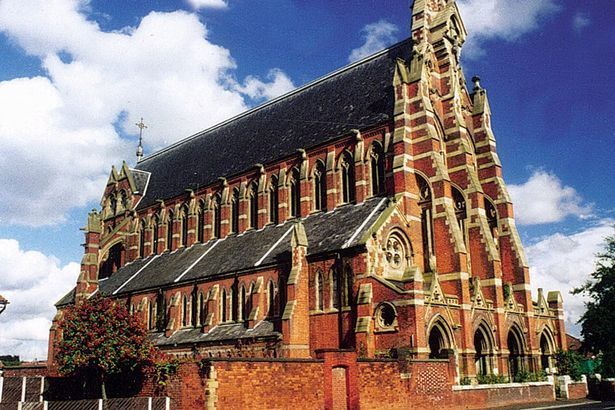
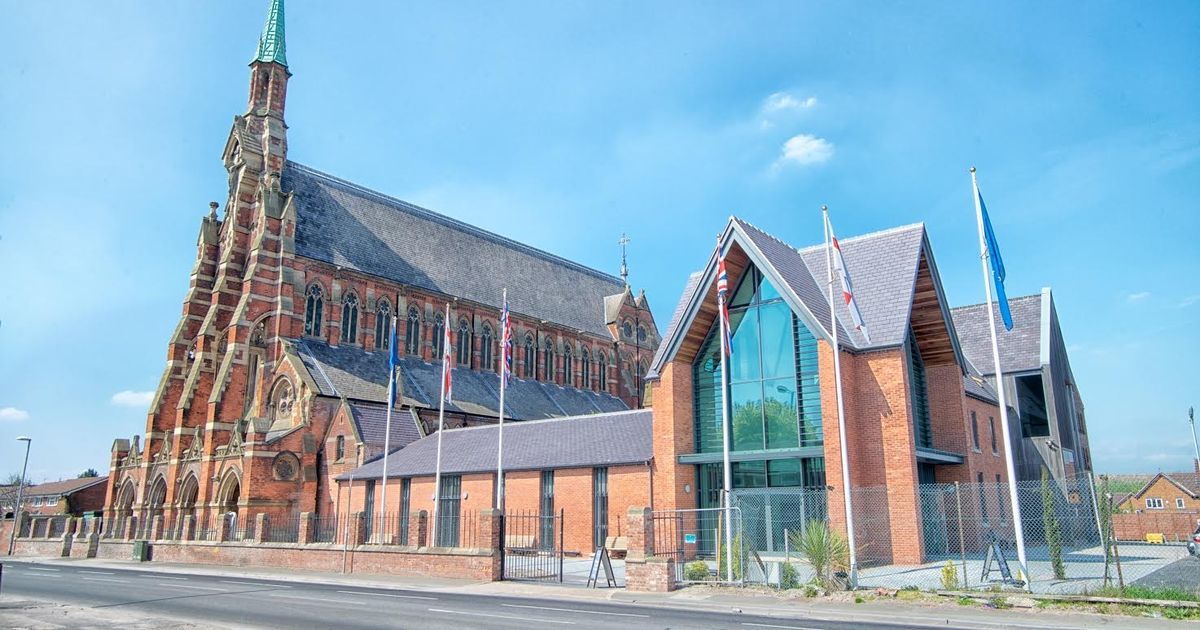
The Church and Friary of St Francis, known locally as Gorton Monastery, is a 19th century former Franciscan friary in Gorton, Manchester, England. The Franciscans arrived in Gorton in December 1861 and built their friary between 1863 and 1867. Most of the building work was done by the friars themselves, with a brother acting as clerk of works. The foundation stone for the church was laid in 1866 and completed in 1872. It is a prominent example of High Victorian Gothic architecture, and has been listed with Grade II status since 1963. It was designed by Edward Welby Pugin (1834–1875), whose father, A.W.N. Pugin, promoted the revival of Gothic as the style of architecture which was the ideal expression of Roman Catholic faith and worship in church buildings.
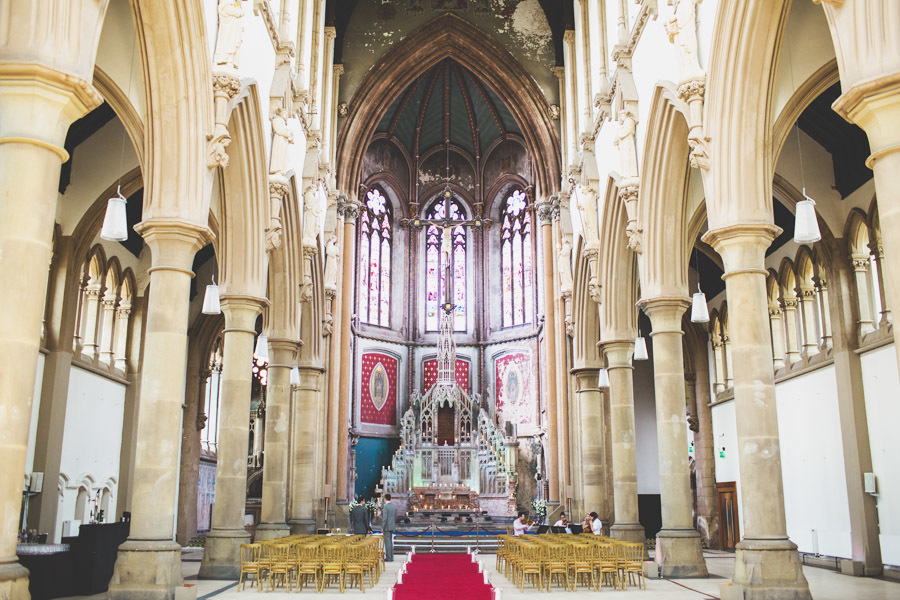
The sheer size of the place is one of the things that make it so impressive with its high vaulted ceiling. In its heyday, the monastery ran three schools, a parish hall, youth clubs, theatre and music groups, choirs, brass bands as well as being the social and spiritual focus of the community. By the 1970s the area that had once been a centre for heavy industry was in decline and the old terraced housing was demolished, leaving the monastery isolated. There were just six elderly friars living there in 1989 and the monastery was finally closed. It was bought by developers who intended converting it into flats, but this never happened. Left unprotected, the building was vandalised and picked over for its lead and anything else that could be sold. In 1997, Gorton Monastery was placed on the World Monuments Fund Watch List of 100 Most Endangered Sites in the World alongside Pompeii, the Taj Mahal and the Valley of the Kings.
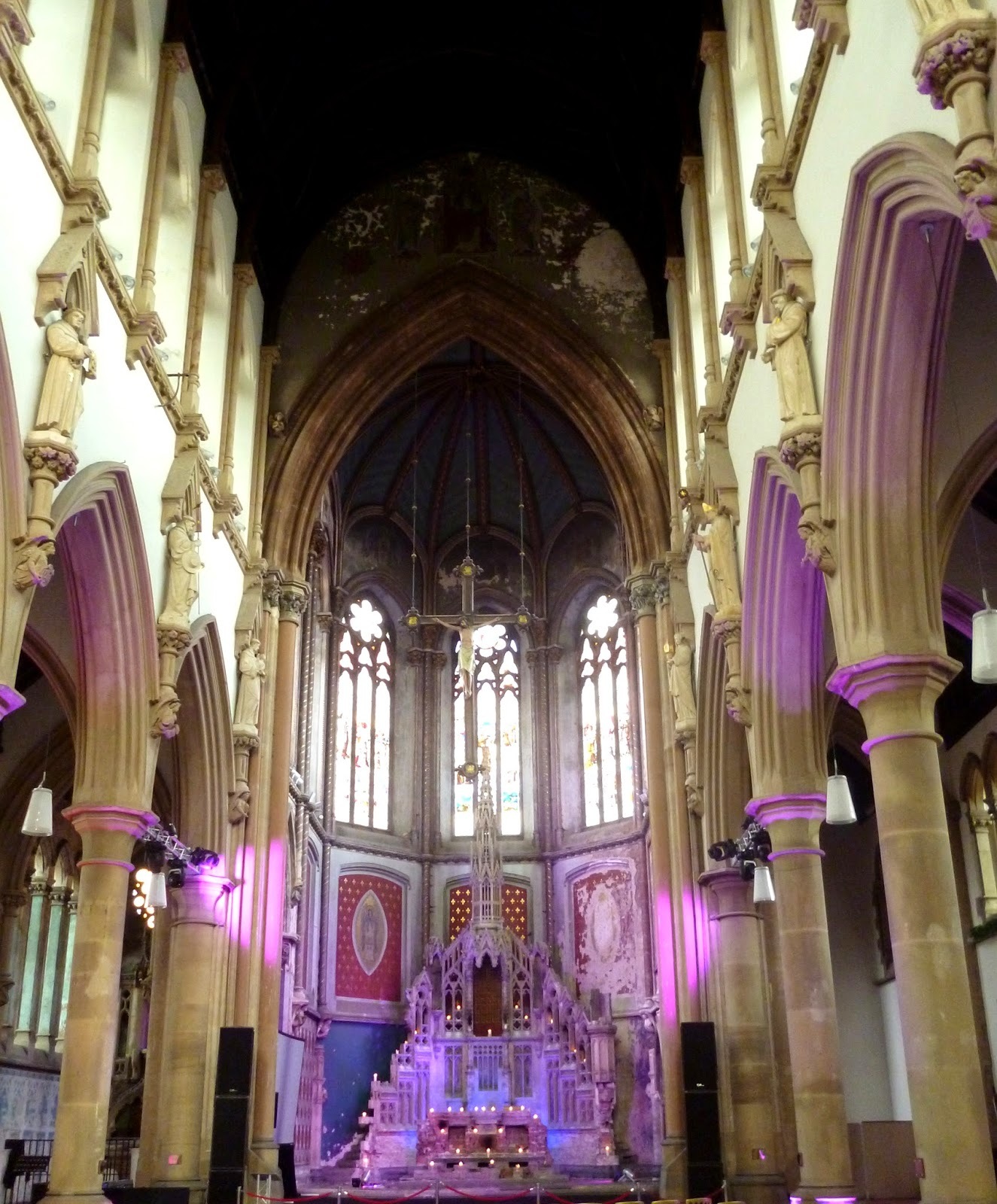
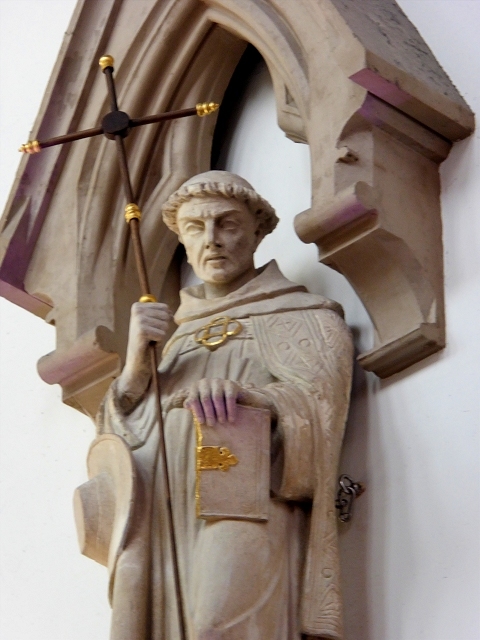
It is a miracle that it survived and this is entirely down to the volunteers and local people set up a preservation trust to save the building as it is today. Among the items that the housing developers stripped out were the sandstone statues of twelve saints that stood high on either side of the church. They turned up in a Sotherby’s catalogue in 1994 as desirable ‘garden statuary’ and would have been sold but for the determination of a volunteer and Manchester City Council. After a protracted battle, the statues were returned to Manchester, but that was just the beginning. They needed extensive restoration work through funds raised by the trust. They were only recently finally returned to their place in the monastery. The church and associated friary buildings underwent a £6 million restoration programme supported by funds from the Heritage Lottery Fund, English Heritage and European Regional Development Fund. The initial project was completed in June 2007 when the restored buildings opened as a venue for conferences, business meetings and community events. The building is also used for a range of concerts.
Construction of a new "Welcome Wing" with facilities for education and the community, along with further restoration on the altars, decorations, and floor tiles, started in February 2016, following from a £1 million donation from Norman Stoller in September 2014, and £2 million from the Heritage Lottery Fund in December 2014. The wing, designed by Eco Arc, was built by HH Smith & Sons Ltd on the footprint of a building that was demolished in the 1960s. The long term aim was always for the building to be re-opened to the public and in June 2017 this finally happened with the monastery opened for free, 6 days a week with a cafe and shop.
By attending a church micro ten year event you will gain the above church micro number which is unique to the ten year events and can only be obtained by attending an event. It will count towards your church micro statistics.
Souvenirs:
There are two possible souvenirs available to attendees.

When you find a Church Micro cache on 7th November 2017, on the 10 year anniversary, please add the following code to your profile:-
<a href="http://www.15ddv.me.uk/geo/cm/index.html"> <img src="http://www.15ddv.me.uk/geo/cm/anniversary_images/CM Day 10.png" />
--------------------------------------------------------------------------------

If you attend this (or any other) Church Micro 10010...10 year Anniversary Event and if you would like to display a souvenir, in your profile page or on any other web page, this is the snippet of html code that you will need to add:-
<a href="http://www.15ddv.me.uk/geo/cm/index.html"> <img src="http://www.15ddv.me.uk/geo/cm/anniversary_images/CM Day 10 Event.png" />