|
The Great Rock of Koh Phi Phi
English 
Erosion is a transformation in soil and rocks, or rather, the process of erosion, transport and sedimentation of soil and rocks. It occurs naturally but can be intensified and even provoked by human action.
The classification of erosions is conditioned by factors such as the type of erosive agent (water, winds and living beings), the relief, the geological structure of the eroded terrain and the previous processes to which it was subjected.
Here are some of the main types of erosion:
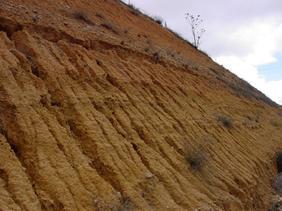
• Rain erosion
It is the type of erosion caused by rainwater. In fact, precipitation water is the major responsible for erosion processes. Rain causes the natural erosion of the rocks and aggravates the process of erosion of soil degraded by human action. The proportion of erosion, therefore, depends not only on the intensity and volume of rainwater, but especially on the type of treatment given to the terrain.
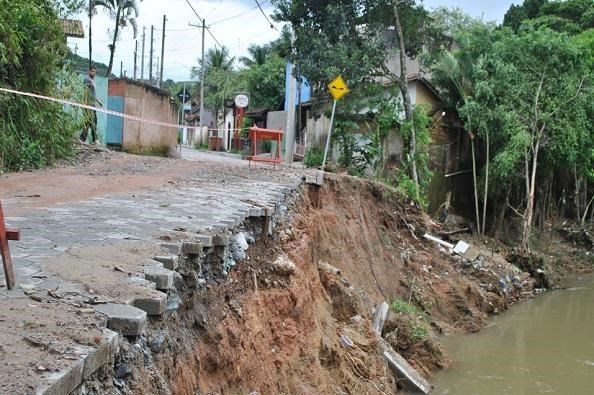
• River erosion
It is caused by the water action of the rivers and streams and deepens the valleys in relation to the surrounding lands. River erosion is aggravated when the riparian forest is removed, because the banks are worn by the force of the waters, which intensifies the silting processes of the rivers.
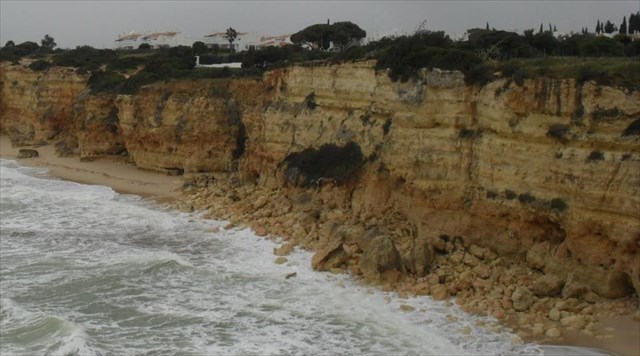
• Marine erosion
Caused by the action of the waters of the seas and oceans, marine erosion causes the erosion of coastal rocks and soils, contributing to the formation of beaches and coastal landscapes, such as the cliffs.
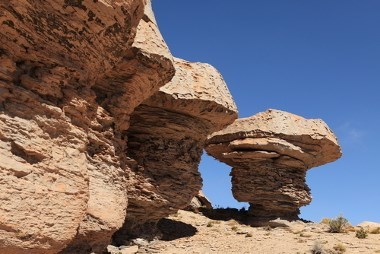
• Wind erosion
It is caused by the action of the winds, which, little by little, are displacing particles from rocks and soil and acting in the transport of sediments. This type of erosion is much slower than that caused by water and is more noticeable in places where the climate has low averages of precipitation and humidity.
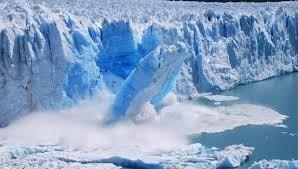
• Glacial erosion
In regions where there are negative temperatures, there is freezing of the water contained in the surface and in the underground. When the water freezes, its volume increases - it expands -, and this expansion generates the movement in blocks, which causes the material to move. In addition, the water particles contained in the soils when frozen also move, contributing to the erosive processes in these places.
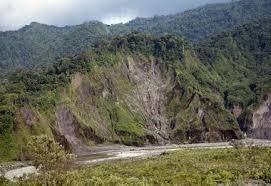
• Gravitational erosion
As its name suggests, this type of erosion occurs on terrain with high slopes, such as in mountain ranges. Materials from the upper areas, by virtue of gravity, "fall" into the lower areas. Depending on the protection of soil or rock and the type of material, this process can be gradual or move large blocks of rock.
TatiyPedro’s FIRST EARTHCACHE
During this stay in Koh Phi Phi, when we arrived by ferry, a large rock immediately captured
our attention. We find that this rock, over the years, has been battered by erosion.
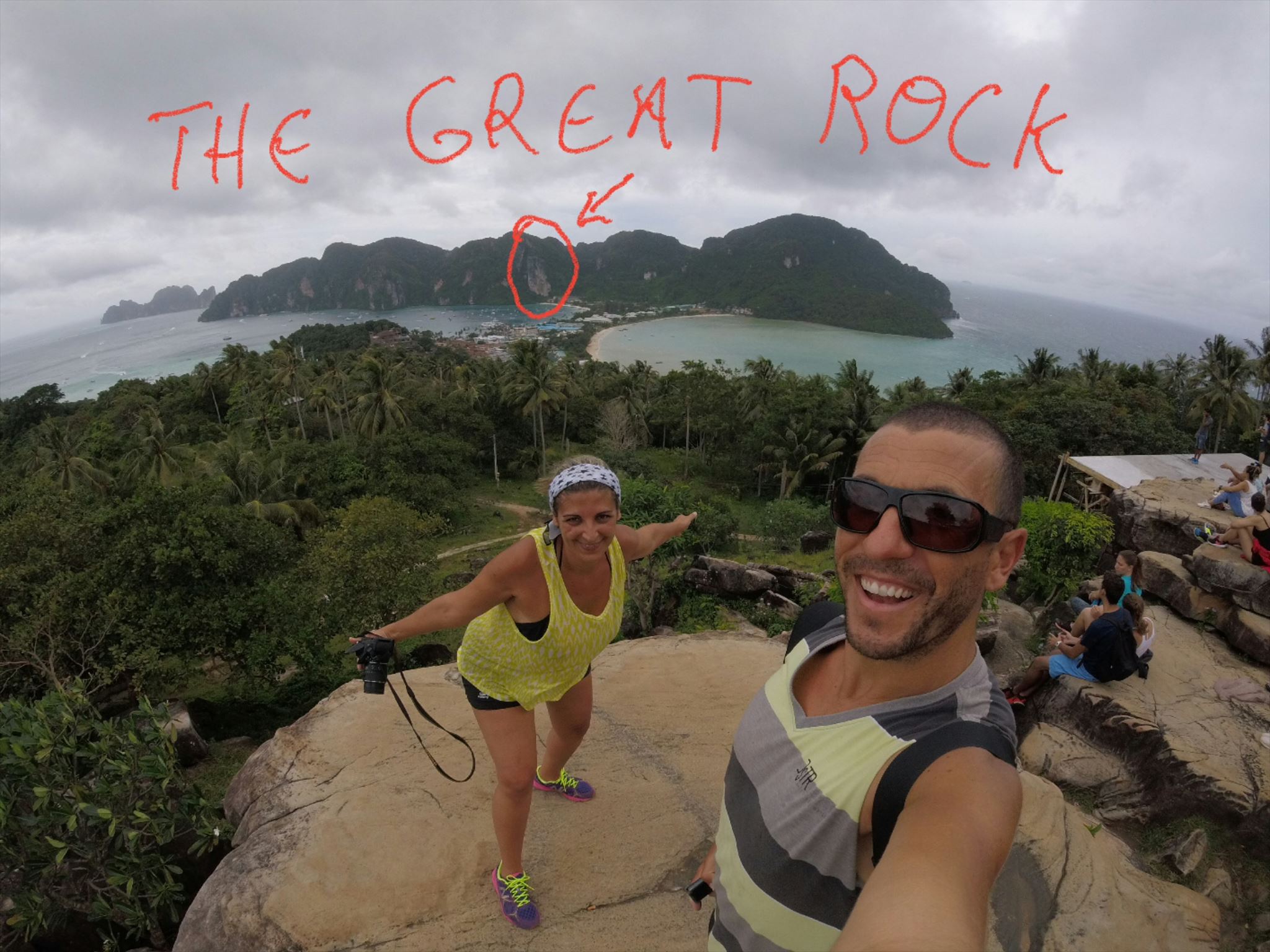
We invite all geocachers, visit the coordinates and admire this imposing rock.
To register this EarthCache, follow these instructions:
Prove that visited the site and answer the following questions by sending an email or
message Geocaching, with answers (in Portuguese or in English, only) to our profile.
Only later, sending the answers, and the "guidelines" for EarthCaches should make your
registration! They will be removed from all records that do not meet these requirements.
OUR QUESTIONS:
1 - What type (s) of erosion can you see on the cliff?
2 - Can you see erosion wear, especially at the top or bottom of the rock?
3 - Erosion wear shows marked lines on the cliff.
Are these lines horizontal, vertical or diagonal?
4 - How high is the rock?
5 - What three predominant colors do you see on the rock?
6 - What rock, predominant constitutes the rock?
OPTIONAL: Although not mandatory, you can take a selfie in the gz,
without showing the great rock.
เกาะก้อนหินที่ยิ่งใหญ่ของเกาะพีพี
ไทย 
การกร่อนคือการเปลี่ยนแปลงในดินและหินหรือมากกว่ากระบวนการของการกัดเซาะการขนส่งและการตกตะกอนของดินและหิน มันเกิดขึ้นตามธรรมชาติ แต่สามารถทำให้เกิดความรุนแรงและกระตุ้นด้วยการกระทำของมนุษย์
การจำแนกประเภทของการกัดกร่อนเกิดขึ้นจากปัจจัยต่างๆเช่นชนิดของสารกัดกร่อน (น้ำลมและสิ่งมีชีวิต) ความโล่งใจโครงสร้างทางธรณีวิทยาของภูมิประเทศที่ถูกกัดเซาะและกระบวนการก่อนหน้าที่ถูกยับยั้ง
นี่คือบางส่วนของประเภทหลักของการกัดกร่อน:
•การพังทลายของฝน
เป็นประเภทของการกัดเซาะที่เกิดจากน้ำฝน ในความเป็นจริงน้ำฝนเป็นหลักรับผิดชอบกระบวนการกัดเซาะ ฝนทำให้เกิดการกัดเซาะตามธรรมชาติของโขดหินและทำให้กระบวนการกัดกร่อนของดินเสื่อมโทรมลงโดยการกระทำของมนุษย์ สัดส่วนของการพังทลายจึงขึ้นอยู่กับความเข้มและปริมาณน้ำฝน แต่โดยเฉพาะอย่างยิ่งกับชนิดของการบำบัดที่ให้ภูมิประเทศ
•การกัดกร่อนของแม่น้ำ
มันเกิดจากการกระทำน้ำของแม่น้ำและลำธารและลึกหุบเขาในความสัมพันธ์กับพื้นที่โดยรอบ การกัดเซาะของแม่น้ำจะทวีความรุนแรงขึ้นเมื่อป่าในแนวชายฝั่งถูกตัดออกเนื่องจากธนาคารเหล่านี้ต้องสูญเสียกำลังจากน้ำซึ่งจะทำให้กระบวนการลุ่มของแม่น้ำทวีความรุนแรงมากขึ้น
•การกัดกร่อนของทะเล
เกิดจากการกระทำของน่านน้ำทะเลและมหาสมุทรการกัดกร่อนของทะเลทำให้เกิดการกัดเซาะของหินและดินชายฝั่งทำให้เกิดชายหาดและภูมิทัศน์ชายฝั่งเช่นหน้าผา
•การกัดกร่อนของลม
มันเกิดจากการกระทำของลมที่ทีละเล็กทีละน้อยจะแทนที่อนุภาคจากหินและดินและทำหน้าที่ในการขนส่งตะกอน การกัดเซาะประเภทนี้จะช้ากว่าที่เกิดจากน้ำและเป็นที่สังเกตได้ชัดเจนในสถานที่ที่อากาศมีฝนตกและความชื้นต่ำ
•การกัดเซาะของน้ำแข็ง
ในบริเวณที่มีอุณหภูมิลบติดไฟอยู่ในผิวน้ำและในใต้ดิน เมื่อน้ำแข็งปริมาณของมันจะเพิ่มขึ้น - จะขยายตัว - และการขยายตัวนี้จะสร้างการเคลื่อนไหวในบล็อกซึ่งเป็นสาเหตุให้วัสดุเคลื่อนย้ายได้ นอกจากนี้อนุภาคของน้ำที่มีอยู่ในดินเมื่อแช่แข็งยังเคลื่อนย้ายที่เอื้อต่อกระบวนการกัดกร่อนในสถานที่เหล่านี้
•การสึกกร่อน
การกัดกร่อนแบบนี้เกิดขึ้นบนพื้นผิวที่มีความลาดชันสูงเช่นในเทือกเขา วัสดุจากพื้นที่บนโดยอาศัยแรงโน้มถ่วง "ตก" ลงไปในพื้นที่ที่ต่ำกว่า ขึ้นอยู่กับการป้องกันดินหรือหินและประเภทของวัสดุขั้นตอนนี้สามารถค่อยๆหรือย้ายก้อนหินขนาดใหญ่ได้
FIRST EARTHCACHE ของ TatiyPedro
ในช่วงพักนี้ที่เกาะพีพีเมื่อเรามาถึงโดยเรือข้ามฟากเป็นหินขนาดใหญ่ที่จับได้ทันที
ความสนใจของเรา เราพบว่าหินนี้เป็นเวลาหลายปีที่ผ่านมาได้รับการทารุณโดยการกัดเซาะ
เราขอเชิญชวนนักเล่น geocachers ทุกท่านไปที่พิกัดและชมหินที่น่าประทับใจนี้
หากต้องการลงทะเบียน EarthCache นี้โปรดปฏิบัติตามคำแนะนำต่อไปนี้:
พิสูจน์ว่าเข้าชมเว็บไซต์และตอบคำถามต่อไปนี้โดยการส่งอีเมลหรือ
ข้อความ Geocaching พร้อมคำตอบ (เป็นภาษาโปรตุเกสหรือภาษาอังกฤษเท่านั้น) ในโปรไฟล์ของเรา
เฉพาะในภายหลังการส่งคำตอบและ "หลักเกณฑ์" สำหรับ EarthCaches ควรทำให้คุณ
การลงทะเบียน! พวกเขาจะถูกนำออกจากระเบียนทั้งหมดที่ไม่เป็นไปตามข้อกำหนดเหล่านี้
คำถามของเรา:
1 - คุณสามารถมองเห็นรูปแบบของการพังทลายบนหน้าผาได้อย่างไร?
2 - คุณสามารถมองเห็นการสึกหรอของการกัดกร่อนโดยเฉพาะที่ด้านบนหรือด้านล่างของหิน?
3 - การสึกหรอของการสึกกร่อนแสดงให้เห็นเส้นที่ทำเครื่องหมายไว้บนหน้าผา
เส้นเหล่านี้เป็นแนวนอนแนวตั้งหรือแนวทแยงหรือไม่?
4 - หินสูงแค่ไหน?
5 - คุณเห็นสีอะไรเด่นสามอย่างบนหิน?
6 - ร็อคที่เด่นที่สุดคือหิน?
เลือก: แม้ว่าจะไม่บังคับคุณสามารถใช้ selfie ใน gz,
โดยไม่ต้องแสดงก้อนหิน
|