[ITA] (ENG following)
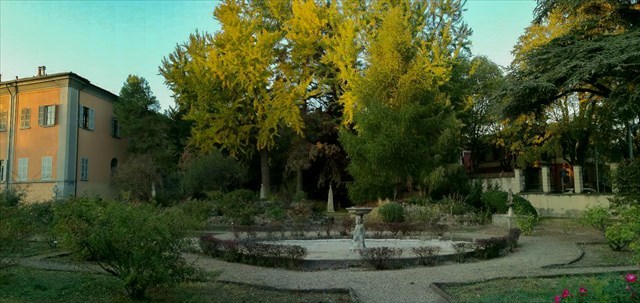
Se siete arrivati al GZ, prendetevi un attimo per distogliere l’attenzione dalla ricerca e osservare al di là della strada; vedete oltre il cancello un bel palazzo circondato da un grande parco attorno: è l’Orto Botanico di Pavia. Fa parte del Sistema Museale di Ateneo pavese e della Rete degli Orti Botanici della Lombardia.
Ammirando la struttura potreste vedere un chiostro, una testimonianza della canonica che sorgeva qui prima della costruzione dell'Orto, avvenuta intorno al 1773.
Per la progettazione fin da subito si pensò di prendere come modello l’Orto dei Semplici di Padova, un orto deputato all’insegnamento della botanica, che tra l’altro fornì anche un buon numero di piante.
Nel 1773 l’Orto già aveva l’aspetto generale che potete vedere, e fin da subito venne messo in funzione il laboratorio di chimica al suo interno. Negli anni si susseguirono illustri botanici alla direzione, ed ognuno diede un contributo all’Orto: chi costruendo serre, chi arricchendo la collezione scambiando semi e piante, chi ancora portando avanti la ricerca.
Purtroppo durante la seconda guerra mondiale l’Orto subì dei gravi danni, sia alla struttura che alla collezione; c’è tuttavia una nota positiva: durante il restauro nacque la collezione di Rosa che rende quest’Orto famoso in Europa.
In seguito vennero aggiunte nuove collezioni di piante, venne costruita una serra tropicale e venne intrapresa la raccolta di piante officinali.
Da non perdere:
- Roseto: diviso a sua volta in tre aree, Rose selvatiche, Rose antiche e ibridi moderni.
- Flora Locale: collezione di piante dei boschi della Pianura Padana Lombarda
- Arboreto: ospita specie esotiche e non tra cui il famoso Platano alto 55m piantato nel 1777
- Serre di Scopoli: sede della longeva collezione di piante succulente
- Serra tropicale
- Serra di piante utilitarie: da frutto, aromatiche, da legno o ornamentali
Una piccola missione per voi:
Andate al Waypoint chiamato "Photo", in via Scopoli 15, scattate una fotografia all'Orto e allegatela al vostro log. In questo modo potremo testimoniare come varia l'aspetto del giardino con lo scorrere delle stagioni. Spendete qualche secondo in più per assicurarvi che la vostra foto sia scattata circa dallo stesso punto delle precedenti, così che siano confrontabili.
La Cache
Piccolo contenitore nero, bisogna avere dietro una penna per il log. La zona pullula di babbani, soprattutto nelle ore di punta per studenti e lavoratori, si raccomanda attenzione.
[ENG]
If you are at GZ, take a moment to divert your attention from the search and look to the other side of the road; beyond the gate, you can spot a beautiful palace surrounded by a large park: the Botanical Garden of Pavia. It is part of the Ateneo Museum System and of the Network of Botanical Gardens in Lombardy.
While admiring the building you could notice a cloister, a memento of the rectory that was here before the construction of the Garden, around 1773.
For the design, the Orto dei Semplici of Padova was used as a model, as it was dedicated to the teaching of botanics, and moreover it supplied a fair amount of plants to start the collections.
In 1773 the Garden already had the general appearance that you can see today, and right from the beginning the chemistry lab inside the Garden was put into operation. In the following years well known botanists followed one another as executive directors, and every one of them made his contribution to the Garden: by building new greenhouses, by developing the collection exchanging seeds or plants or by investing in research.
Unfortunately during WWII the Garden had some serious losses, both in the collection and in the integrity of the building; but there's a positive note in that, during the following restoration the beautiful collection of Roses was started, a gem of the Garden.
Later new collections were started, such as the officinal plants one and a new tropical greenhouse was built
Unmissables:
- Rose Garden: split in three areas: wild roses, old roses and modern hybrids.
- Local flora: collection of plants from the woods of the Po Valley in Lombardia
- Arboretum: accomodates some esotic and local species, as well as the famous Platanus wich is 55 meters high and was planted in 1777
- Scopoli's Greenhouses: where the old succulent plants collection resides
- Tropical Greenhouse
- Utilitary plants Greenhouse: fruit plants, aromatic plants, plants for wood or ornamental plants
A mission for you:
Go to the Waypoint called "Photo", in via Scopoli 15 snap a picture of the Garden and attach it to your log. In this way we can record how the aspect of the Garden changes with the flowing of the seasons. Please take your time to make sure that you take your photo from the same spot as the the other pictures, in this way they will be easily comparable
The Cache
Small black container, pen not icluded. The area is fairly populated, expecially during peak hours for students, be sneaky.