Diaz Cross Earth Cache
Welcome to the Bushmans River and Cannon Rocks area one of the most Special and Beautiful places to us. Every moment shared here is a complete privilege. Trust you able to soak up and enjoy any bit of the beauty you can and that is the most important thing about all our caches.
This forms part of our Garden Route Earth Cache River Series and various of our other Garden Route Icon series.
The intended value of this particular Earth Cache is to firstly share some the magnificence and stunning tranquillity of the area and spot. Secondly to learn a bit about rivers and how different of their processes and elements work. Thirdly to grasp the importance of preserving an Eco system.
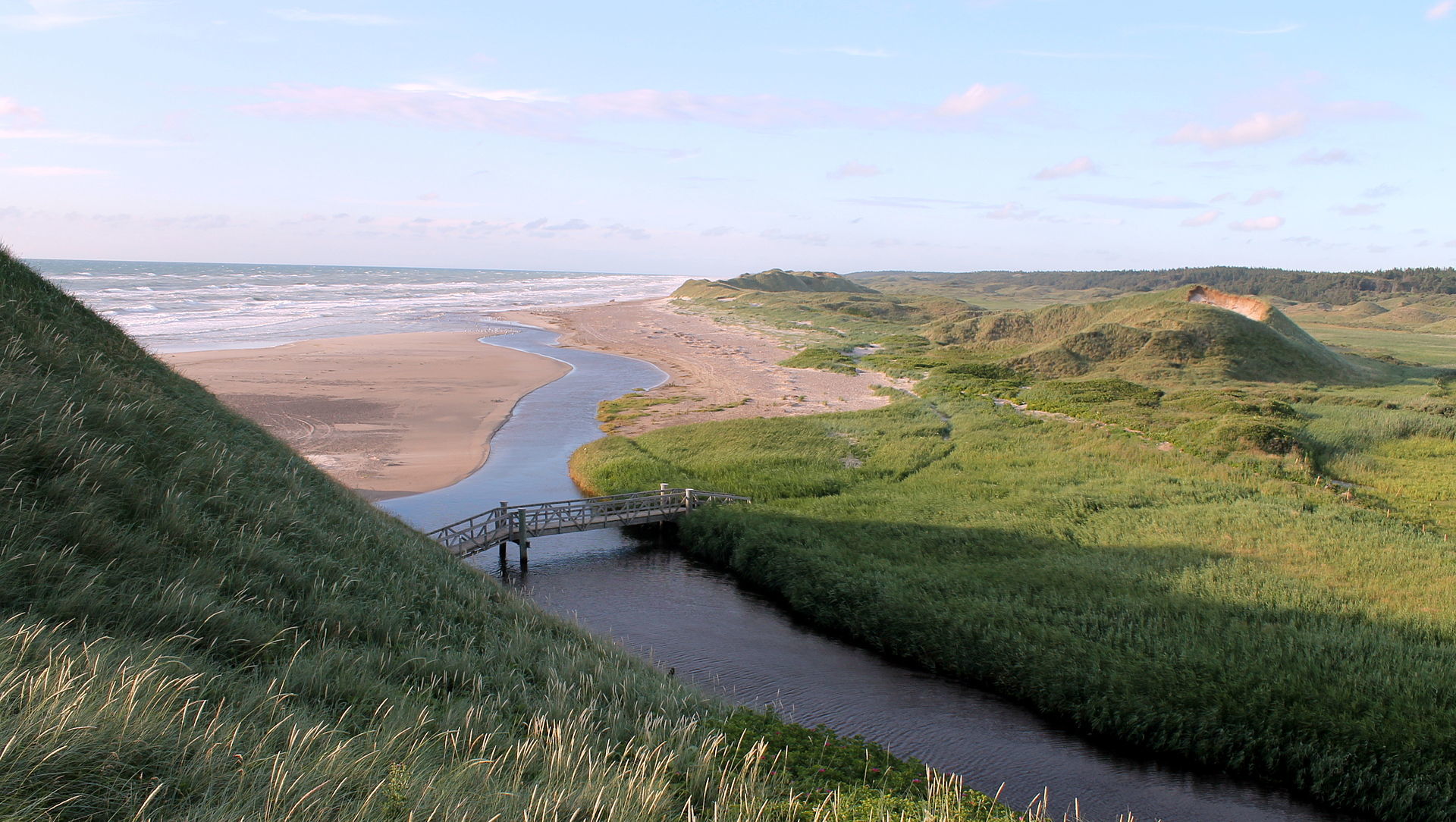
Below is aerial picture of the Coastline near Diaz Cross:
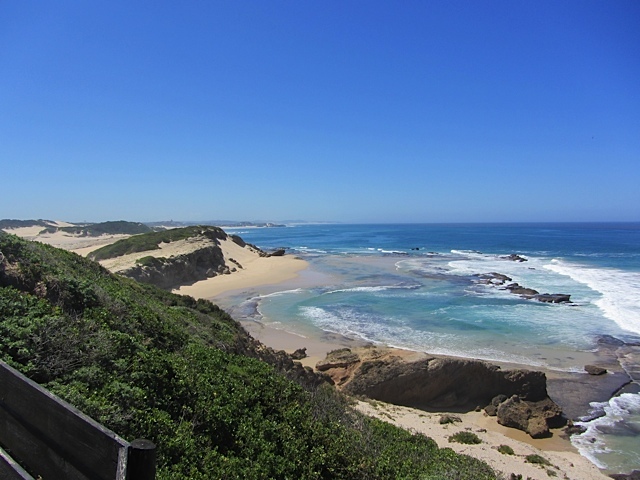
Diaz Cross Dunes
Animals living in the Coastal Sand Dunes are usually small and go on with their lives without notice. They are most times so obscure we do not realize they are there but Costal Sand Dunes are a community of animals living in a special ecosystem. The environment of a Coastal Sand Dune is developed from sand blown in every direction reinforced by grass and rock creating shelter for creatures who flourish best in sandy areas. The Dunes are inhabited by Birds, insects and reptiles all taking shelter in these sandy fortresses the sea has not reached.
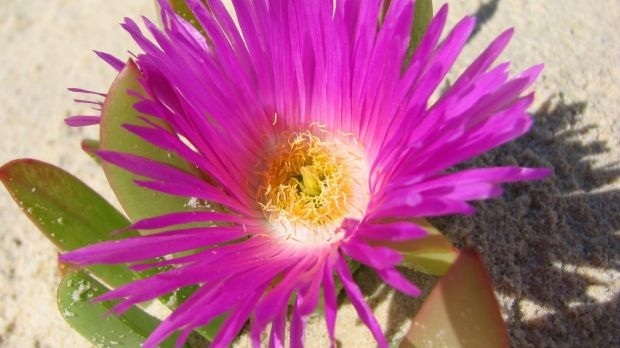
The Dunes supply a place for animals to live and to thrive. Flowers grow on the dunes that may have difficulty in other places and animals and insects are able to live and hide from predators in the Sand Dunes, this frail accumulation of sand and brush is very delicate balance. Walking along the Coast people listen to the sound of the waves as they roll over the sands but little thought is given to the tiny animals taking up residence in the Costal Sand Dunes. The Birdlife play an important role in the health of the dunes for many reason including helping disperse seeds and pollinate flowers which in turn all benefits the entire dune ecosystem.
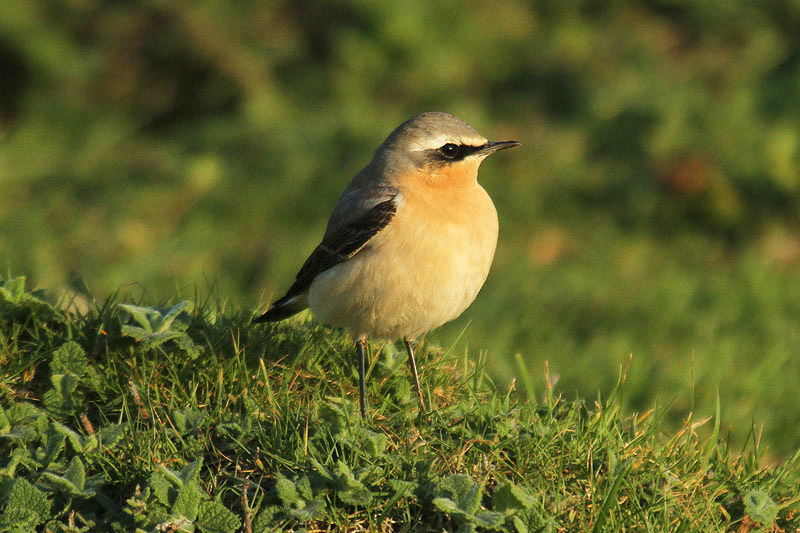
Biological diversity is the primary reason for the creation of many reserves with important dunes to the ecology of their larger conservation areas, incorporating other coastal habitats like salt marches, mud flats, grasslands, scrub and woodland. There is a great variety of habitats within a small area with all the plant and animal diversity. Mammals, amphibians, reptiles, fish, birds, butterflies, dragonflies are but a few important ones connected to this area. As a result of the diversity, visitors can hear several different species of frogs and toads calling during the spring and summer. People hiking through dunes and blowouts may catch a glimpse of various of the diversity living here.
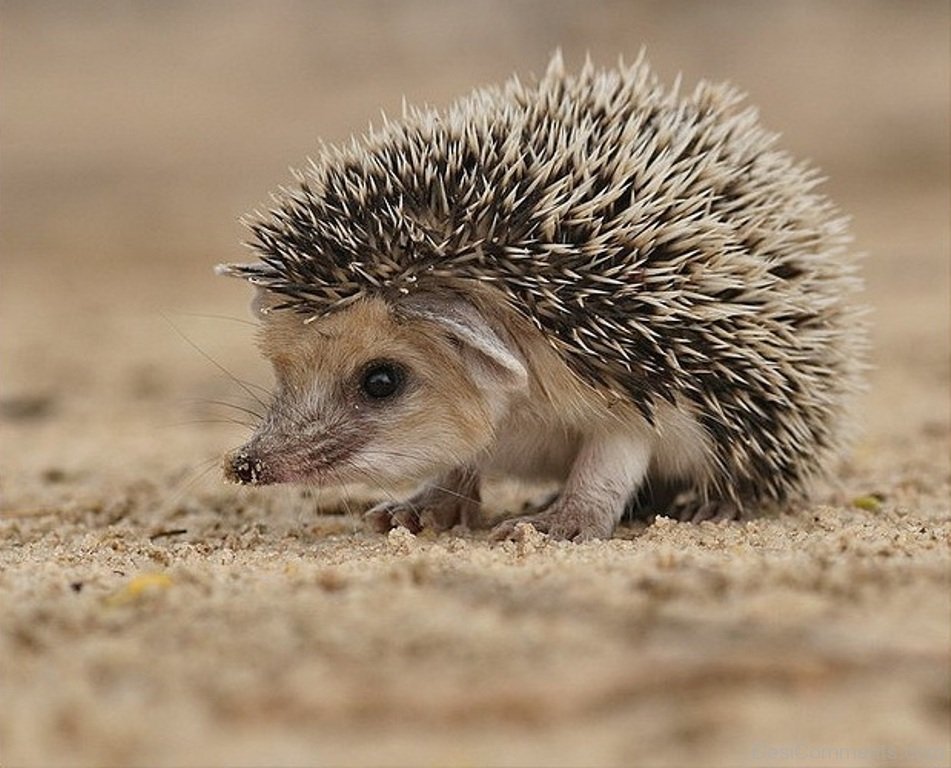
Dunes develop where windblown sand becomes trapped by specialised dune-building grasses such as marram grass. From windswept ridges to damp hollows (slacks), the range of conditions supports a surprisingly rich variety of wildlife. Sand dunes are consequently of exceptionally high nature conservation interest. The shape, size and position of the dunes may change depending on local wind and wave conditions. Dune stability, acidity and local hydrological conditions are all key factors in determining wildlife diversity. The following picture is of the Hottentot fig that grows well in sandy environments like these dunes.
The bare open sand of highly mobile foredunes which are still actively building is a hostile environment for most plants and particularly animals, but provides ideal habitat for many nationally scarce invertebrates. Sand lizards can sometimes be found in these habitats. These are one of the rarest vertebrates, and use bare sand to lay their eggs in. Salt-resistant grasses such as marram and sand couch are amongst the first plants to colonise such areas, binding the loose grains of sand with their creeping underground stems and trapping sand around their shoots, and gradually starting stabilise the sand.
Other plants such as sea holly and sea spurge may also take root on the more sheltered leeward side of the dunes. Orchids are amongst the wetland species which can flourish in wet hollows between the dune ridges. As the dune system stabilises and the sand is enriched by decaying vegetation and animal manure, the variety of plants and animals increases. The pioneering dune-building species are replaced by species more typical of grassland habitats.
Sand dunes attract many birds, particularly Shelduck, Dikkop, Seedeaters, small Falcons, many of which nest under bushes or in abandoned rabbit holes, moving down the shore at low tide to feed on worms and snails.
Trampling, rabbit burrowing, excessive grazing and reduction in the supply of sand can all too easily result in damage to dune systems. Once the thin, stabilising crust or protective plant cover is damaged, erosion quickly follows. Brushwood fences and enclosed pathways can help trap windblown sand and channel public access to combat recreational pressure, but for most of our coastal sand dunes, this is only the tip of the iceberg. Moreover, controlling pollution and managing grazing density and duration are far more complex issues to address.
Inland side
On the inland side of dunes conditions are less severe, and links type grasslands develop with a range of grassland herbs which benefit from the reasonable nutrient status and moderately high pH of the more stable soils, especially when enough humus has accumulated in stabilised soils for water retention to be improved. There may also be areas in old blow-outs where groundwater is near the surface, and often rises to cause flooding in the winter. Frequent, but intermittent waterlogging of the roots requires adaptations to stress, so the proportions of stress tolerators are increased here.
In nutrient-rich water, however there are some plants with very competitive strategies, like the reed (Phragmites australis). This is an example of a plant which makes rapid growth and suppresses other species by monopolising root and shoot space and shading out the opposition. Even its own seedlings are prevented from establishing within the existing population, but seeds are blown for long distances in copious quantities to start new colonies, whilst mature populations extend by rapid vegetative growth of lateral underground shoots - rhizomes.
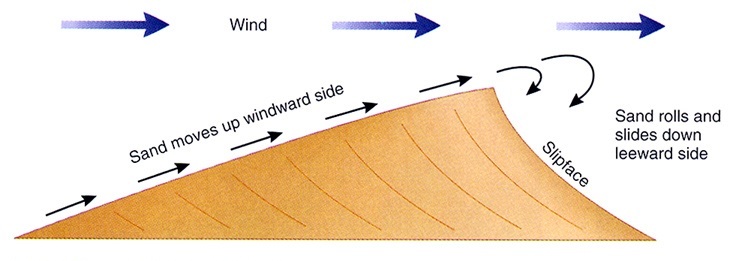
Dune movement
The sand mass of dunes can move either windward or leeward, depending on if the wind is making contact with the dune from below or above its apogee. If wind hits from above, the sand particles move leeward. If sand hits from below, sand particles move windward. The leeward flux of sand is greater than the windward flux. Further, when the wind carrying sand particles when it hits the dune, the dune’s sand particles will saltate more than if the wind had hit the dune without carrying sand particles.
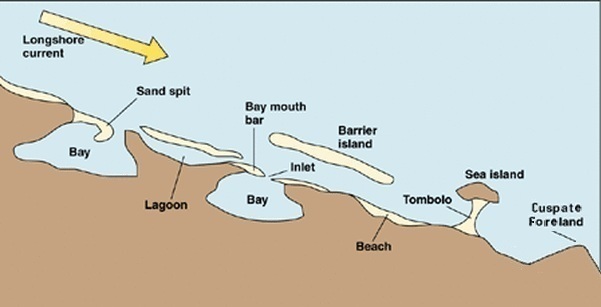
Dunes form where the beach is wide enough to allow for the accumulation of wind-blown sand, and where prevailing onshore winds tend to blow sand inland. Obstacles for example, vegetation, pebbles, rocks and so on, tend to slow down the wind and lead to the deposition of sand grains. These small "incipient dunes or "shadow dunes" tend to grow in the vertical direction if the obstacle slowing the wind can also grow vertically (i.e., vegetation). Coastal dunes expand laterally as a result of lateral growth of coastal plants via seeds.
From this cache we can see the importance yet again of another ecosystem and how important it is to protect it. Again we see that every small little impact like walking on the dunes can collapse structures below your feet to damaging nesting grounds to simple positive impacts like collecting little and keeping an area clean.
Below are aerial pictures of the Bushmans River Mouth and Upper region of the river:
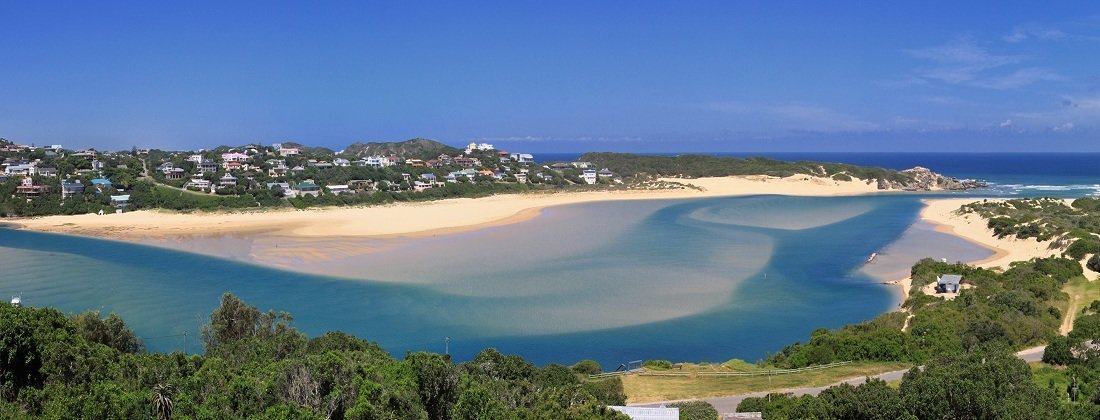
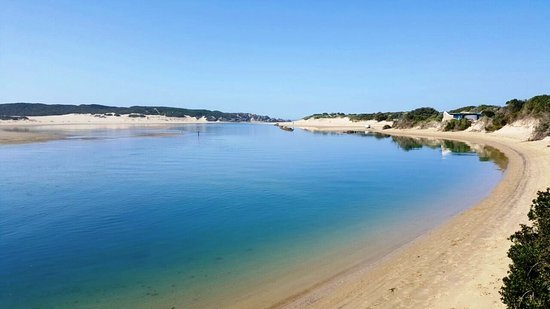
Diaz Cross Dunes Questions
Please take a picture at your favourite spot anywhere near the mouth either side of the Coordinates or along the river and upload in your Log. Please share a picture so everyone can enjoy the collection.
We have kindly provided all the answers for you in the listing. Please return the favour by sharing your answers in your words what your thoughts and understanding is and share some general knowledge through the way you answer and please do not to stress about submitting the answers. The aim of this earth cache is to enjoy and learn.
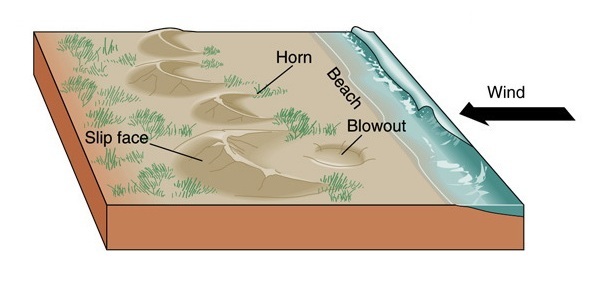
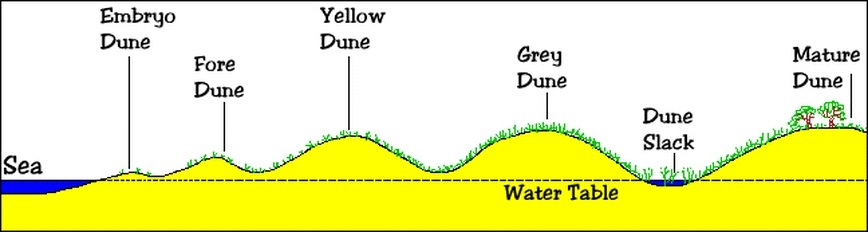
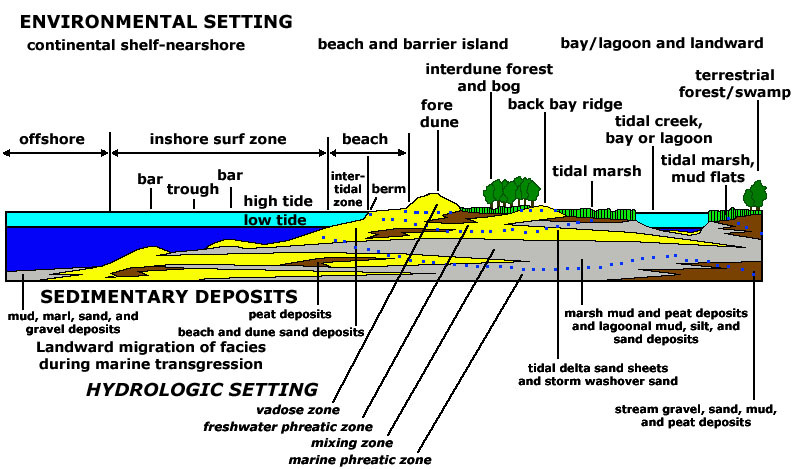
1 What is a slack? What are at least 3 ways do you think water can full up a slack. (Answers are in diagrams.) There are several ways so if you think of underground structures there numerous already.
2 What other 2 water features in the listing can occur in the dunes other that a slack. (4 are given so plenty to choose from). Share your favourite one of any of them and why.
3 What do you notice about the sand dunes shape and direction of the dunes around the area on the flat plain just behind the fore dune and what does this suggest about the prevailing wind direction?
4 What is the steeper face a dune called? (Answers are in diagrams.) Why can dunes be so temperamental? (Answers not directly given but you can deduce from what is shared in the listing and in the diagrams.)
5 What distinguishing imperfection do you notice right near the top of Diaz cross. You will know exactly what is meant when you see it?
Thank you for sharing this area and cache with us. We trust that you enjoyed the Earth Cache and your experience here.
Please have a look at our caching series all along the Garden Route. They all share a closer experience of the river nature and the environment.
For more insight into the amazing story of Bartholomew Diaz and the cross here at the coordinates please visit this recommended site:
Bartholomew Diaz Cross