Vinarterta
When I was heading to Ko Wua Ta Lap, I couldn’t help but notice the beds of limestone which reminded me of my grandmother’s vinarterta! As I climbed up to Aerie, I decided to create this Earthcache in honour of my grandmother’s baking.
"Limestone is a sedimentary rock, composed mainly of skeletal fragments of marine organisms such as coral, forams and molluscs. Its major materials are the minerals calcite and argonite, which are different crystal forms of calcium carbonate." (Wikipedia)
Chalk is a form of limestone which is porous, white and soft. It is formed from calcite shells which are separated from the micro-organisms in the deep ocean and a bit of silt and clay. This material is on the ocean bed and builds up and is compressed in sediments which eventually becomes chalk rock. It is a white color.
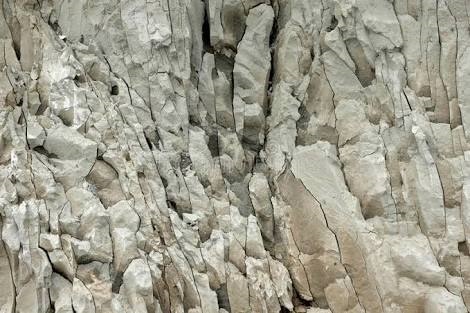
Figure 1: rock chalk from dreamstime.com
Shelly limestone, according to Wikipedia, is composed of fossils such as coral, sponges, mollusks, bryozoans, brachiopods and crinoids. It is a limestone because it is fragmented shells and small stones held together by about 10% calcite. It is a grey color.
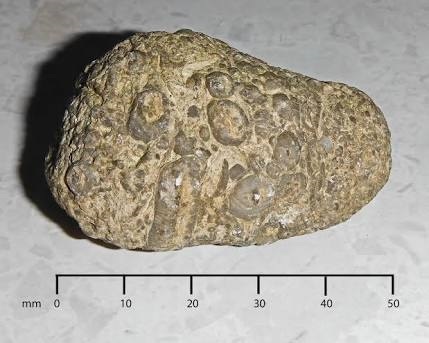
Figure 2: shelly limestone from Natural History Museum
Coral limestone is similar as above with its main components being coral and coral fragments.
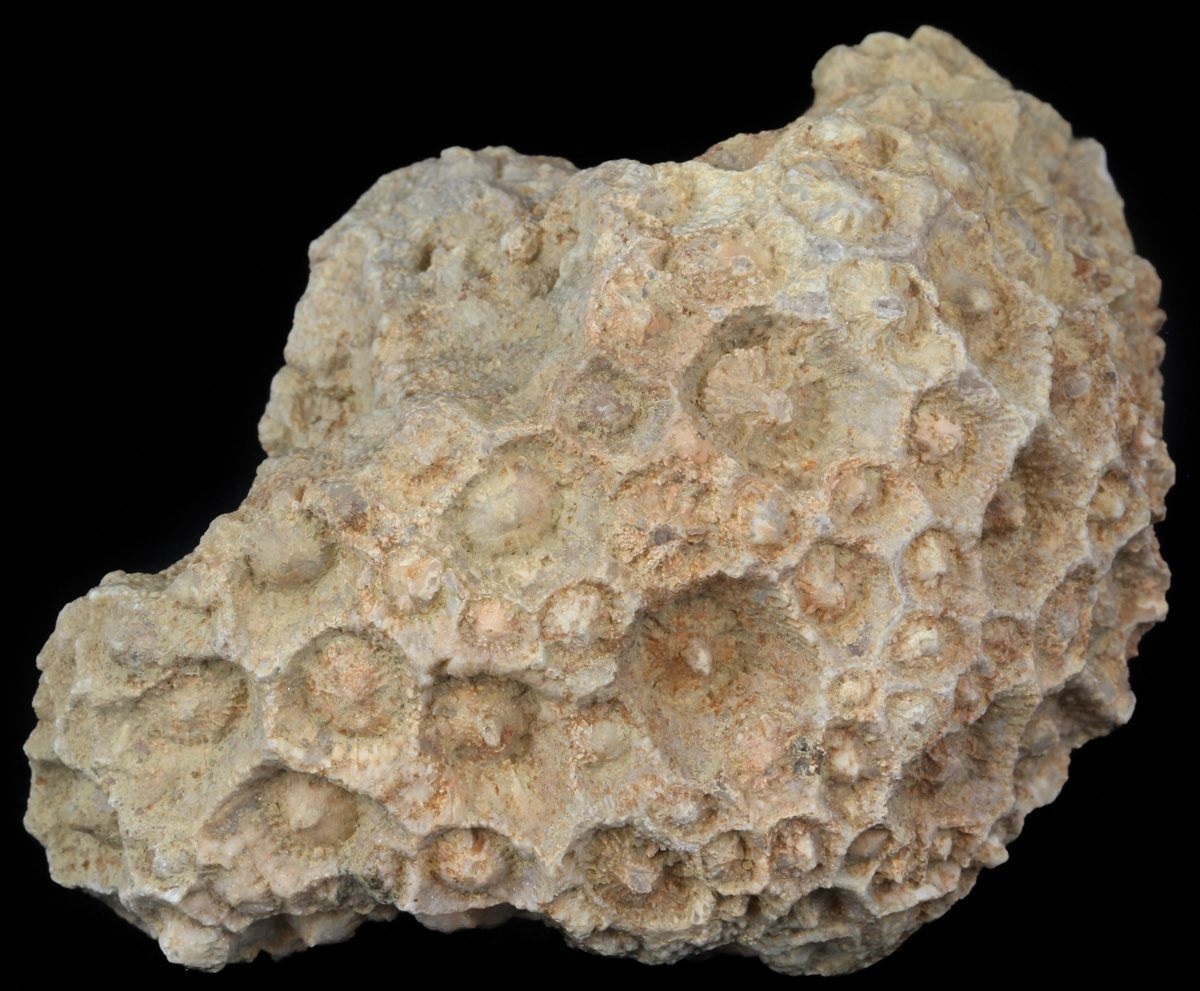
Figure 3: coral limestone from fossilera.com
Freshwater limestone, according to www.mindat.org, is formed by an accumulation or precipitation in a freshwater lake, a stream or a cave. It is often algal and sometimes nodular.
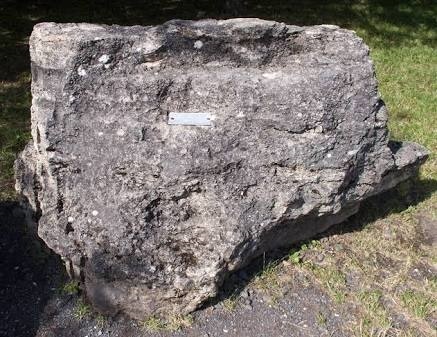
Figure 4: freshwater limestone from wikimedia commons
Limestone normally forms in shallow marine environments like the area you are visiting. Lithification, according to Wikipedia, is a process where sediments compact under pressure, expel fluids and gradually become solid rock. In other words, it is a way to destroy porosity through cementation and compaction. This rock becomes limestone and is known as biological sedimentary rocks.
A chemical sedimentary rock formation is formed due to direct precipitation by fresh or ocean water.
"Today Earth has many limestone-forming environments. Most of them are found in shallow water areas between 30 degrees north latitude and 30 degrees south latitude."(Wikipedia)
Limestone is laid down in beds or strata. It can be moved by streams or ocean waves.
At N 09 38.115 E 099 40.270, you will start your journey to discover the limestone discussed above.
To log this Earthcache please E-mail me the answers through my geocaching.com account. Once you've sent the email with your answers, go ahead and log your find without waiting for a reply from me. I will contact you if there are any problems with your log entry. Please do not give away any answers in your log or your photos!
1. How many of the 4 types of limestone were you able to identify? Describe your favourite and tell me why it was your favourite.
2. Were you able to find fossils? What type of fossil? Describe it.
3. Why is this ocean an ideal spot to create sedimentary rocks?
I hope you have enjoyed your discovery of sedimentary rocks.
References:
1. Wikipedia
2. Dreamstime.com
3. Natural History Museum
4. Fossilera.com
5. Www.mindat.org
6. Wikimedia commons
เมื่อฉันกำลังมุ่งหน้าไปที่เกาะวัวตาตักฉันไม่สามารถช่วยสังเกตได้จากเตียงหินปูนซึ่งทำให้ฉันนึกถึง vinarterta ของคุณยายของฉัน! ขณะที่ฉันปีนขึ้นไปที่ Aerie ฉันตัดสินใจที่จะสร้าง Earthcache นี้เพื่อเป็นเกียรติในการอบยายของฉัน
"หินปูนเป็นหินตะกอนประกอบด้วยส่วนของโครงกระดูกของสิ่งมีชีวิตทางทะเลเช่นปะการัง forams และ molluscs วัสดุหลักของมันคือแคลเซียมแร่ธาตุและ argonite ซึ่งเป็นรูปแบบผลึกที่แตกต่างกันของแคลเซียมคาร์บอเนต" (วิกิพีเดีย)
ชอล์กเป็นรูปหินปูนที่มีรูพรุนสีขาวและนุ่ม มันถูกสร้างขึ้นจากเปลือกหอยแคลไซต์ที่แยกออกจากสิ่งมีชีวิตขนาดเล็กในทะเลลึกและดินตะกอนและดินเหนียว วัสดุนี้อยู่บนเตียงมหาสมุทรและสร้างขึ้นและถูกบีบอัดในตะกอนซึ่งในที่สุดจะกลายเป็นหินชอล์ก เป็นสีขาว
Meụ̄̀x c̄hạn kảlạng mùng h̄n̂ā pị thī̀ keāa wạw tā tạk c̄hạn mị̀ s̄āmārt̄h ch̀wy s̄ạngket dị̂ cāk teīyng h̄inpūn sụ̀ng thảh̄ı̂ c̄hạn nụkt̄hụng vinarterta k̄hxng khuṇ yāy k̄hxng c̄hạn! K̄hṇa thī̀ c̄hạn pīn k̄hụ̂n pị thī̀ Aerie c̄hạn tạds̄incı thī̀ ca s̄r̂āng Earthcache nī̂ pheụ̄̀x pĕn keīyrti nı kār xb yāy k̄hxng c̄hạn
"h̄inpūn pĕn h̄intakxn prakxbd̂wy s̄̀wn k̄hxng khorng kradūk k̄hxng s̄ìng mī chīwit thāng thale chèn pakārạng forams læa molluscs wạs̄du h̄lạk k̄hxng mạn khụ̄x khælseīym ræ̀ ṭhātu læa argonite sụ̀ng pĕn rūp bæb p̄hlụk thī̀ tæk t̀āng kạn k̄hxng khælseīym khār̒bxnet" (wiki phī deīy)
chxl̒k pĕn rūp h̄inpūn thī̀ mī rū phrun s̄ī k̄hāw læa nùm mạn t̄hūk s̄r̂āng k̄hụ̂n cāk pelụ̄xk h̄xy khælsịt̒ thī̀ yæk xxk cāk s̄ìng mī chīwit k̄hnād lĕk nı thale lụk læa din takxn læa din h̄enīyw wạs̄du nī̂ xyū̀ bn teīyng mh̄ās̄muthr læa s̄r̂āng k̄hụ̂n læa t̄hūk bīb xạd nı takxn sụ̀ng nı thī̀s̄ud ca klāy pĕn h̄in chxl̒k pĕn s̄ī k̄hāw
ภาพที่ 1: หินชอล์กจาก dreamstime.com
หินปูนตามวิกิพีเดียประกอบด้วยฟอสซิลเช่นปะการังฟองน้ำหอย bryozoans, brachiopods และ crinoids เป็นหินปูนเนื่องจากเป็นเปลือกหอยและหินขนาดเล็กที่เก็บไว้ด้วยกันประมาณ 10% calcite มันเป็นสีเทา
P̣hāph thī̀ 1: H̄in chxl̒k cāk dreamstime.Com
h̄inpūn tām wiki phī deīy prakxbd̂wy fxs̄sil chèn pakārạng fxngn̂ả h̄xy bryozoans, brachiopods læa crinoids pĕn h̄inpūn neụ̄̀xngcāk pĕn pelụ̄xk h̄xy læa h̄in k̄hnād lĕk thī̀ kĕb wị̂ d̂wy kạn pramāṇ 10% calcite mạn pĕn s̄ī theā
รูปที่ 2: หินปูนเปลือกหอยจากพิพิธภัณฑ์ประวัติศาสตร์ธรรมชาติ
หินปูนปะการังมีลักษณะคล้ายกับด้านบนมีส่วนประกอบหลักคือปะการังและเศษปะการัง
Rūp thī̀ 2: H̄inpūn pelụ̄xk h̄xy cāk phiphiṭhp̣hạṇṯh̒ prawạtiṣ̄ās̄tr̒ ṭhrrmchāti
h̄inpūn pakārạng mī lạks̄ʹṇa khl̂āy kạb d̂ān bn mī s̄̀wnprakxb h̄lạk khụ̄x pakārạng læa ṣ̄es̄ʹ pakārạng
รูปที่ 3: ปะการังหินปูนจาก fossilera.com
หินปูนน้ำจืดตาม www.mindat.org เกิดจากการสะสมหรือการตกตะกอนในทะเลสาบน้ำจืดลำธารหรือถ้ำ มันมักจะเป็น algal และบางครั้ง nodular
Rūp thī̀ 3: Pakārạng h̄inpūn cāk fossilera.Com
h̄inpūn n̂ả cụ̄d tām www.Mindat.Org keid cāk kār s̄as̄m h̄rụ̄x kār tktakxn nı thales̄āb n̂ả cụ̄d lảṭhār h̄rụ̄x t̄ĥả mạn mạk ca pĕn algal læa bāng khrậng nodular
รูปที่ 4: หินปูนน้ำจืดจากคอมมอนส์มีเดียคอมมอนส์
หินปูนจะอยู่ในสภาพแวดล้อมทางทะเลตื้นเช่นพื้นที่ที่คุณกำลังเยี่ยมชม วิกิพีเดียเป็นกระบวนการที่ตะกอนอัดแน่นภายใต้ความกดดันขับไล่ของเหลวและค่อยๆกลายเป็นหินแข็ง กล่าวอีกนัยหนึ่งเป็นวิธีที่จะทำลายความพรุนโดยการซีเมนต์และการบดอัด หินนี้กลายเป็นหินปูนและเป็นที่รู้จักกันว่าเป็นหินตะกอนทางชีวภาพ
การก่อตัวของตะกอนทางเคมีเกิดจากการตกตะกอนด้วยน้ำทะเลสดหรือน้ำทะเล
"วันนี้โลกมีสภาพแวดล้อมที่เป็นหินปูนมากส่วนใหญ่พบในพื้นที่น้ำตื้นระหว่างละติจูด 30 องศาเหนือและละติจูด 30 องศาใต้" (Wikipedia)
หินปูนวางลงบนเตียงหรือชั้น สามารถเคลื่อนย้ายได้ตามลำธารหรือคลื่นทะเล
หากต้องการบันทึก Earthcache โปรดส่งอีเมลคำตอบผ่านทางบัญชี geocaching.com ของฉัน เมื่อคุณส่งอีเมลพร้อมคำตอบแล้วให้ดำเนินการต่อและเข้าสู่ระบบค้นหาโดยไม่ต้องรอคำตอบจากฉัน ฉันจะติดต่อคุณหากมีปัญหากับรายการบันทึกของคุณ โปรดอย่าให้คำตอบใด ๆ ในบันทึกหรือรูปภาพของคุณ!
1. คุณสามารถระบุหินอัคนีได้กี่ชนิด อธิบายรายการโปรดของคุณและบอกฉันว่าทำไมคุณถึงชอบ
2. คุณสามารถหาฟอสซิลได้หรือไม่? ฟอสซิลชนิดใด? อธิบายมัน.
3. เหตุใดมหาสมุทรจึงเป็นจุดที่เหมาะสำหรับการสร้างหินตะกอน?
อ้างอิง:
1. วิกิพีเดีย
2. Dreamstime.com
3. พิพิธภัณฑ์ประวัติศาสตร์ธรรมชาติ
4. Fossilera.com
5. Www.mindat.org
6. Wikimedia commons
Rūp thī̀ 4: H̄inpūn n̂ả cụ̄d cāk khxm mxn s̄̒ mīdeīy khxm mxn s̄̒
h̄inpūn ca xyū̀ nı s̄p̣hāph wædl̂xm thāng thale tụ̄̂n chèn phụ̄̂nthī̀ thī̀ khuṇ kảlạng yeī̀ym chm wiki phī deīy pĕnk ra bwn kār thī̀ takxn xạd næ̀n p̣hāy tı̂ khwām kddạn k̄hạb lị̀ k̄hxngh̄elw læa kh̀xy«klāy pĕn h̄in k̄hæ̆ng kl̀āw xīk nạy h̄nụ̀ng pĕn wiṭhī thī̀ ca thảlāy khwām phrun doy kār sīment̒ læa kār bd xạd h̄in nī̂ klāy pĕn h̄inpūn læa pĕn thī̀ rū̂cạk kạn ẁā pĕn h̄intakxn thāng chīwp̣hāph
kār k̀x tạw k̄hxng takxn thāng khemī keid cāk kār tktakxn d̂wy n̂ả thale s̄d h̄rụ̄x n̂ả thale
"wạn nī̂ lok mī s̄p̣hāph wædl̂xm thī̀ pĕn h̄inpūn māk s̄̀wn h̄ıỵ̀ phb nı phụ̄̂nthī̀ n̂ả tụ̄̂n rah̄ẁāng laticūd 30 xngṣ̄ā h̄enụ̄x læa laticūd 30 xngṣ̄ā tı̂" (Wikipedia)
h̄inpūn wāng lng bn teīyng h̄rụ̄x chận s̄āmārt̄h khelụ̄̀xn ŷāy dị̂ tām lảṭhār h̄rụ̄x khlụ̄̀n thale
h̄āk t̂xngkār bạnthụk Earthcache pord s̄̀ng xīmel khả txb p̄h̀ān thāng bạỵchī geocaching.Com k̄hxng c̄hạn meụ̄̀x khuṇ s̄̀ng xīmel phr̂xm khả txb læ̂w h̄ı̂ dảnein kār t̀x læa k̄hêā s̄ū̀ rabb kĥnh̄ā doy mị̀ t̂xng rx khả txb cāk c̄hạn c̄hạn ca tidt̀x khuṇ h̄āk mī pạỵh̄ā kạb rāykār bạnthụk k̄hxng khuṇ pord xỳā h̄ı̂ khả txb dı «nı bạnthụk h̄rụ̄x rūpp̣hāph k̄hxng khuṇ!
1. Khuṇ s̄āmārt̄h rabu h̄inxạkhnī dị̂ kī̀ chnid xṭhibāy rāykār pord k̄hxng khuṇ læa bxk c̄hạn ẁā thảmị khuṇ t̄hụng chxb
2. Khuṇ s̄āmārt̄h h̄ā fxs̄sil dị̂ h̄rụ̄x mị̀? Fxs̄sil chnid dı? Xṭhibāy mạn.
3. H̄etu dı mh̄ās̄muthr cụng pĕn cud thī̀ h̄emāa s̄ảh̄rạb kār s̄r̂āng h̄intakxn?
X̂āngxing:
1. Wiki phī deīy
2. Dreamstime.Com
3. Phiphiṭhp̣hạṇṯh̒ prawạtiṣ̄ās̄tr̒ ṭhrrmchāti
4. Fossilera.Com
5. Www.Mindat.Org
6. Wikimedia commons