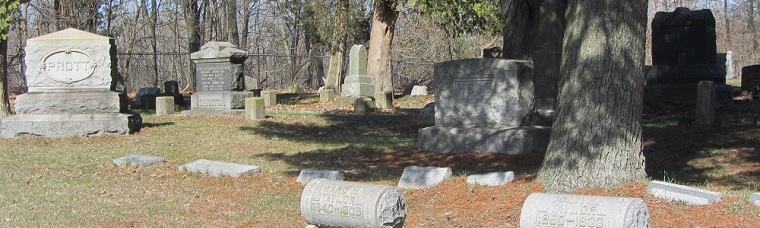
Because of its history and longevity, Ross Cemetery offers a unique look at the different materials used for headstones in a relatively small space. This earthcache will teach you about several different types of material used for headstones and how they hold up over time.
Materials Used for Headstones
|
| Granite |
|
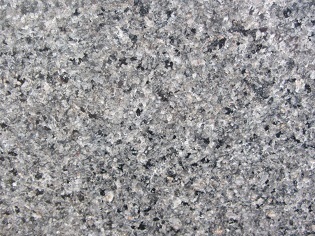
Granite is the most common material used for gravestones today. Granite is a light-colored igneous rock. Igneous rock is rock that was at one time liquid below the earth’s surface that cooled over time. Granite rock is distinguished by large grains that can be seen with the human eye. It is composed mainly of quartz and feldspar with minor amounts of mica, amphiboles, and other minerals. These different minerals give granite its varying colors, such as red, pink, gray, or white color with dark mineral grains visible throughout the rock. Granite is incredibly durable and because of its varying colors and availability it is very popular, with some cemeteries only allowing granite headstones.
|
 |
| Bronze |
|
Bronze is not a stone, but is an alloy consisting of copper, tin, traces of zinc, lead, and other elements. Bronze was first used for tools as far back as 3500 BC. It is a durable material that stands up to the elements. That is what makes it a somewhat popular material used for grave markers today. You will not often find large bronze grave markers; they are typically flat and flush to the ground, which aids in their care and longevity because they can be passed over easily by lawnmowers.
|
 |
| Marble |
|
Marble was a very common headstone material in the 1800’s and early 1900’s. It is a metamorphic rock. Metamorphic rocks have been modified by heat, pressure, and chemical processes, usually while buried deep below earth's surface. In the case of marble, it is formed when limestone is subjected to heat and pressure. Marble is composed primarily of the mineral calcite, but in its less pure states also contains other minerals, such as clay, micas, quartz, pyrite, iron oxides, and graphite. In its most pure form marble is white with less pure forms containing ribbons of other colors.
|
 |
| White Bronze |
|
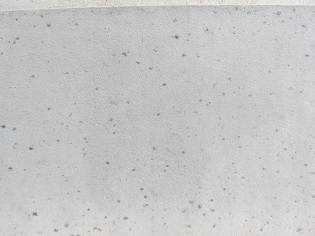
White bronze is not actually white or bronze, it is zinc. Zinc is a metal, not a type of stone, but in the late 1800’s it was used by some as a headstone material. At the time it was marketed as an affordable option that would hold up well to the elements. Unlike the stones used for headstones, zinc is not carved, but cast. As a result, it was popular for a time and can be found in older cemeteries. White bronze has a telltale bluish-grey color and the monuments are hollow.
|
 |
| Limestone |
|
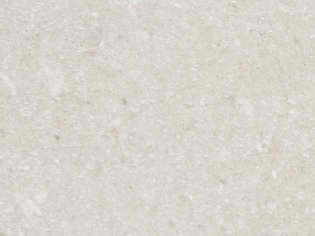
Limestone is a sedimentary rock composed primarily of calcium carbonate in the form of the mineral calcite. It most commonly forms from the accumulation of shell, coral, algal, and fecal debris (sediment) in shallow marine water that build up over time. Marble is created from limestone that has been subject to heat and pressure below the earth’s surface. Limestone is quite common in southern Indiana; Indiana limestone is considered the highest quality limestone in the world because it is almost completely made up of calcite and has very little other minerals or impurities. Limestone was used for headstones in the 1800’s because it was readily available in many areas and can be engraved rather easily. Limestone is darker than marble and tends toward gray.
|
 |
| Concrete |
|
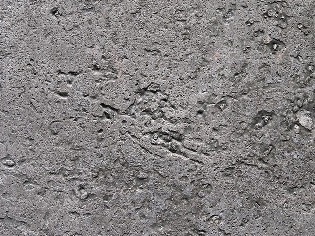
| Concrete monuments can also be found in cemeteries. Concrete is a composite material composed of fine and coarse aggregate (including sand, gravel, crushed stone, slag) bonded together with a fluid cement (cement paste) that hardens over time. Most concretes use lime (calcium oxide or calcium hydroxide) as their cement/bonding agent. Depending on the cemetery, concrete monuments may be used as decoration around other headstones, or they could be used as a headstone themselves. Common concrete monuments are angels, crosses or urns. They are very economical and easy to make. |
 |
|
Headstone Weathering
Cemeteries are a great place to learn about how the elements impact rocks and other materials. Because headstones have been placed outside for years, you can get a good idea of how certain types of stone and other materials weather over time.
Weathering is the breakdown of rocks, by the action of rainwater, extremes of temperature, and biological activity. It does not involve the removal of rock material, so it is different from erosion. Erosion is the process by which soil and rock particles are worn away and moved elsewhere by wind, water or ice. Weathering involves no moving agent of transport. There are three types of weathering: physical, chemical and biological. Although physical, chemical, and biological weathering are separate processes, some or all of the processes can act together in nature.
|
| Acid Rain |
|
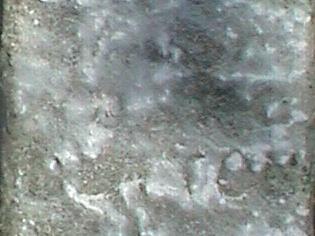
A prominent factor in headstone weathering is acid rain. Acid rain is the result of water vapor reacting with gases such as sulfur dioxide and nitrogen dioxide, forming sulfuric and nitric acids. Limestone and marble headstones become weathered because the elements slowly dissolve them. This is a natural process because the calcium carbonate they are made of is slightly soluble in water. Acid rain speeds weathering through its chemical reaction with calcium carbonate. The acid rain damages the stone, leaving a rough, pitted surface making writing and art harder to distinguish. Acid rain is naturally occurring, but around industrial centers (like Gary), the rain pH becomes more acidic and damages limestone and marble headstones more rapidly. Acid rain is a form of chemical weathering.
|
 |
| Changing Temperatures |
|
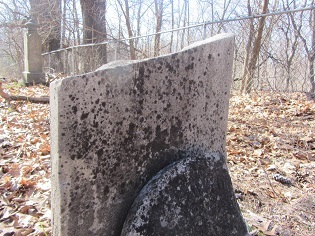
As you walk along an asphalt parking lot or a concrete sidewalk, you may notice cracks have appeared in the surface. These cracks appear due to fluctuations in temperature. Because headstones are outside they are always subject to the elements. Over time as the rocks bake in the sun or freeze and thaw due to cold weather cracks can appear and increase in size which may lead to the headstone eventually breaking apart. The process of freeze-thaw is sometimes assisted by water. When water enters a crack on a headstone and then freezes, it expands. If enough water is in a crack and it expands it will break the rock apart. This type of weathering is physical weathering.
|
 |
| Plants and Other Organisms |
|
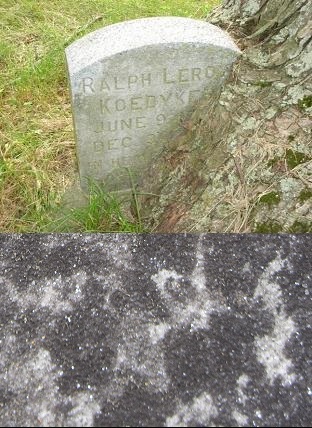
Plants and other organisms also play a role in weathering. The most common organism you will see is lichen. Lichen is fungi and algae, living together in a symbiotic relationship. Fungi release chemicals that break down rock minerals; the minerals thus released from rock are consumed by the algae. As this process continues, holes and gaps continue to develop on the rock, exposing the rock further to physical and chemical weathering.
Growing plant roots also can weather rock by exerting stress and pressure. If the roots grow into crevices and cracks they can create larger cracks and break apart the rock. Both of these are examples of biological weathering.
|
 |