
Welcome to the GEO-EYE SERIES!
This series consists of 45 puzzle caches. We incorporated various difficulty levels. All the caches that form the PUPIL of the eye (P1 to P6) will be the harder ones. The IRIS caches (I01 to I16) will be of intermediate difficulty, and the EYE outline (E01 to E23) will be easy ones.
And then to collect the smilies, we recommend high clearance vehicles. Especially during the rainy season, as the roads can get very muddy. But then again, that is part of all the fun!
Each puzzle will start with an eye fact, followed by the puzzle. There might be clues hidden in the eye fact :-)
EYE FACT
Strabismus, also called crossed eyes among other terms, is a condition in which the eyes do not properly align with each other when looking at an object. The eye which is focused on an object can alternate. The condition may be present occasionally or constantly. If present during a large part of childhood, it may result in amblyopia or loss of depth perception. If onset is during adulthood, it is more likely to result in double vision.
Strabismus can occur due to muscle dysfunction, farsightedness, problems in the brain, trauma, or infections. Risk factors include premature birth, cerebral palsy, and a family history of the condition. Types include esotropia where the eyes are crossed; exotropia where the eyes diverge; and hypertropia where they are vertically misaligned. They can also be classified by whether the problem is present in all directions a person looks (comitant) or varies by direction (incomitant). Diagnosis may be made by observing the light reflecting from the person's eyes and finding that it is not centered on the pupil. Another condition that produces similar symptoms is a cranial nerve disease.
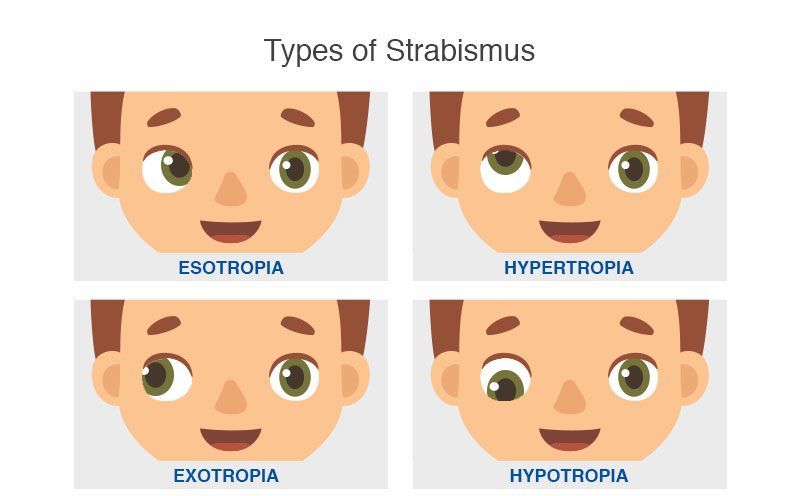
Treatment depends on the type of strabismus and the underlying cause. This may include the use of glasses and possibly surgery. Some types benefit from early surgery. Strabismus occurs in about 2% of children. The term is from the Greek strabismós meaning "to squint". Other terms for the condition include "squint" and "cast of the eye". "Wall-eye" has been used when the eyes turn away from each other.
*The cache is not at the posted coordinates. To find the final coordinates, solve the puzzle*
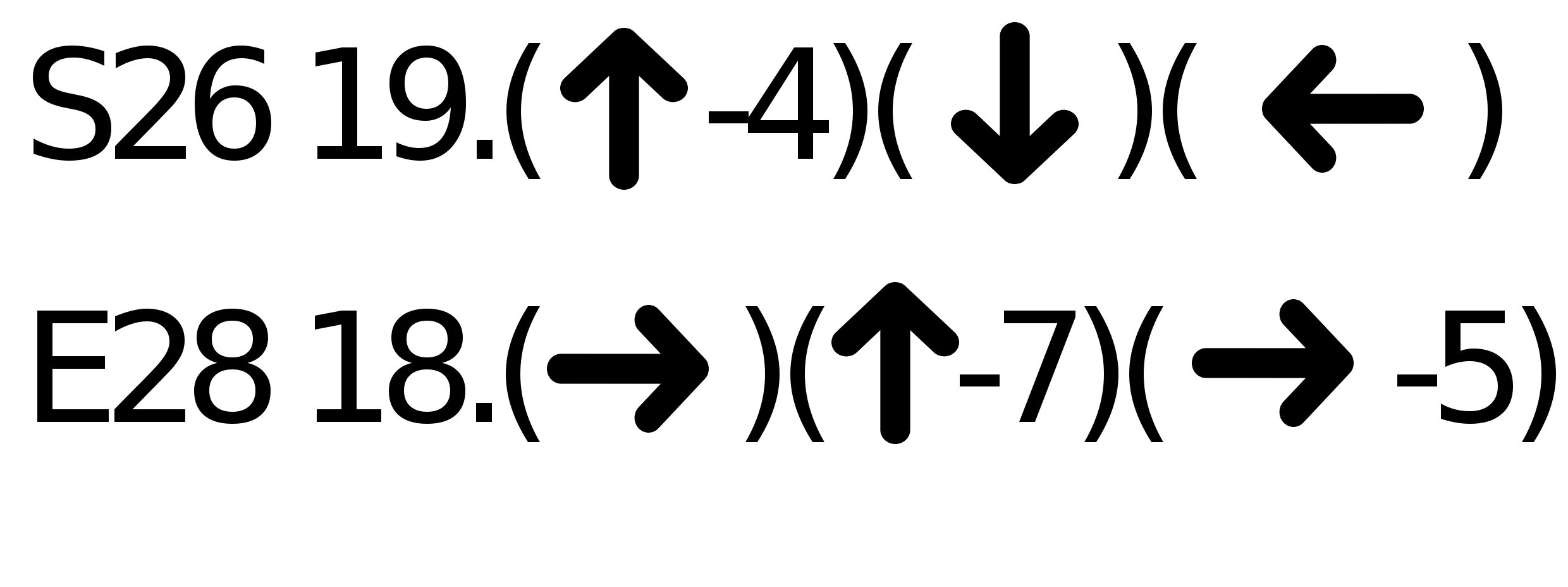

You can validate your puzzle solution with certitude.
