
Welcome to the GEO-EYE SERIES!
This series consists of 45 puzzle caches. We incorporated various difficulty levels. All the caches that form the PUPIL of the eye (P1 to P6) will be the harder ones. The IRIS caches (I01 to I16) will be of intermediate difficulty, and the EYE outline (E01 to E23) will be easy ones.
And then to collect the smilies, we recommend high clearance vehicles. Especially during the rainy season, as the roads can get very muddy. But then again, that is part of all the fun!
Each puzzle will start with an eye fact, followed by the puzzle. There might be clues hidden in the eye fact :-)
EYE FACT
Can LED Lights Damage the Eyes or Disrupt Sleep?
LED light bulbs are becoming very popular, but what is their effect on the eyes? Low Emitting Diode lighting uses up to 95% less energy than their incandescent counterparts. Before replacing your home or workplace’s indoor lights with LEDs, consider two downsides:
LEDs do not give off near-infrared radiation, which is necessary for health
They emit large amounts of blue light, which disrupts sleeping patterns and over time can contribute to eye disease.
One of the benefits of LED lights is that they are cooler to touch. However, this is part of the problem. LED lights do not give off near-infrared radiation. This type of radiation comes from the sun; it is also emitted by incandescent bulbs and halogen bulbs.
Near-infrared heat is important for good health. It deeply penetrates the skin, even through clothing. Near-infrared light activates mitochondrial ATP. When this form of light strikes the retina, it primes the retinal cells to repair and regenerate. LED lights cannot do this. Therefore, they should not be the primary source of light throughout the day.
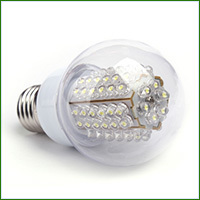
Blue Light Problems with LEDs
The other problem with LED lights is the huge amount of blue light they generate. Blue light is shortest wave length light in the visible spectrum. It is well-researched and widely accepted as harmful to the eyes. Excessive blue light damages the retina, macula and photoreceptors. We get blue light from the sun – this is one of several reasons why sunglasses outdoors are highly recommended.
Blue light is strong in LCD screens (modern TVs, computers, phones, tablets). Perhaps you have heard the warning that staring at screens in the evening can disrupt sleep. Blue light regulates the production of melatonin. Thus, putting away the screens 2 hours before bed can result in better sleep. LED lights in your environment have the same effect. Lights are typically on between dusk and bedtime. Therefore, spending the entire evening exposed to LED lights can disrupt sleep. Glasses that block blue light might help. Amber colored lenses are the best for neutralizing blue light.
*The cache is not at the listed coordinates. To obtain the final coordinates, you will have to solve the puzzle*
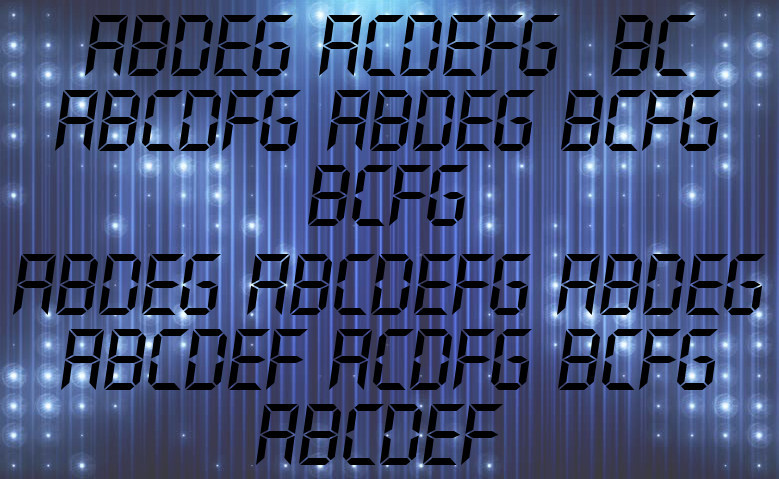

You can validate your puzzle solution with certitude.
