The purpose of this Earthcache is to provide people like me, who know very little about GEOLOGY, with an opportunity to increase their knowledge-base and to develop a deeper appreciation and respect for the world we live in. The lessons and related questions are brief, quick to answer and easy to remember for a lifetime! As with all Earthcaches, please be respectful of the land.
When you first arrived at this property, you may have noticed the large boulder sticking out of the ground to the left of the driveway. It’s about the size of a medium-sized car…you just can’t miss it! Yet, were it not for this Earthcache, you might have easily passed it off as just another thing to mow around or to avoid with your car.
According to Steve Mabee of the Massachusetts Geological Society, the rock is most likely “an outcropping of the Wamsutta formation which outcrops in isolated pods in the Attleboro area.” Mabee further notes that “it is unusual that the rock occurs only as isolated outcroppings but that seems to be the nature of the bedrock in (the Attleboro) area.”
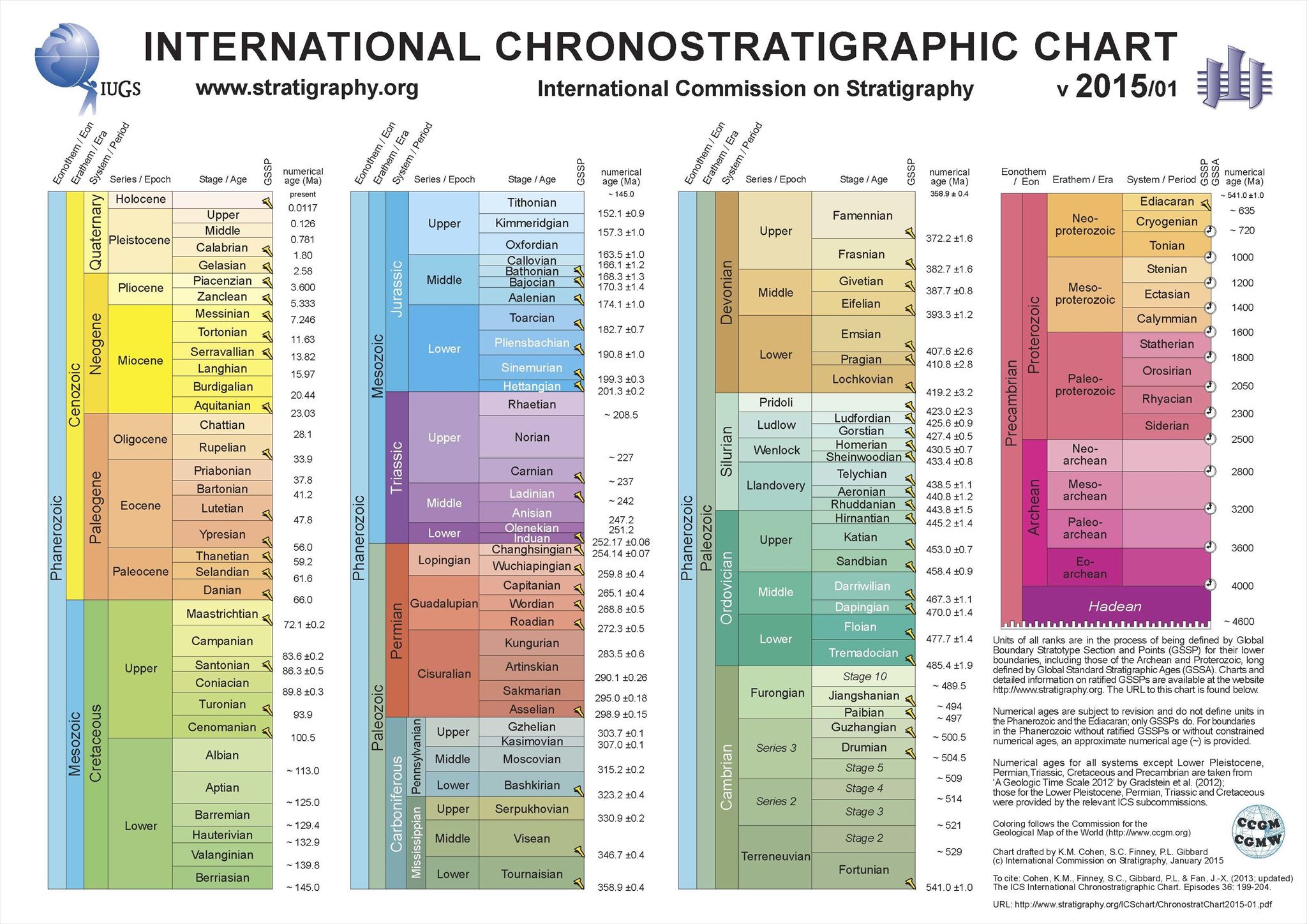
Wamsutta formation occurred during the Pennsylvanian Period of the geologic timetable of events. This sub-period is the younger of two sub-periods of the Carboniferous Period, the older sub-period is known as the Mississippian Period. The Carboniferous Period is famous for its vast swamp forests that produced the coal from which the term Carboniferous, or "carbon-bearing," is derived. The Carboniferous Period lasted from about 359.2 to 299 million years ago. Simply stated, that means that the rock is somewhere between 299 and 320 MILLION YEARS OLD. Imagine what it could tell you if it could talk!
Wamsutta formation can be reddish in color and range from a shale (very fine grained, which most of this rock is) to conglomeratic. (The vein of puddingstone in this rock is an example of a conglomerate). The Wamsutta also has a volcanic component mixed in, but this cannot be verified in this specific rock without examining a sample under a microscope.
Quartz veins and nodules, evident on this rock, are common in all rocks of this Period. Quartz is a mineral composed of silicon and oxygen. It is the second most abundant mineral in Earth’s continental crust, behind feldspar. Quartz is actually harder than granite and thus, more durable. In fact, quartz is nearly indestructible.
Please send the CO answers to the following questions in order to earn your smiley for this Earthcache. It will not be necessary to wait for a response from them to log your find. One of the members of the Attleboro Geocachers Alliance will contact you if there are any concerns or questions with your responses.
- The Wamsutta formation occurred during the Pennsylvanian Sub-period which is a sub-period of the Carboniferous Period. The Carboniferous Period is one of several periods of the Paleozoic Era. In which Eon is the Paleozoic Era?
- There are two uniquely different veins in this rock. What are they and describe their location on the rock?
- What strikes you as most interesting about this rock and why?