👉☢️ IMPORTANT RULES ☢️👈
- only to be visited while being on guided tour through Chernobyl exclusion zone
- only touch the Cache itself - not any of the surrounding items
- do not touch any vegetation any time
- do not trade any items this Cache as it's prohibited to take anything out of this area
- log Cache in stealth mode to let it life as long as possible
- use photo HINT
🇺🇸 Duga #2 🚀
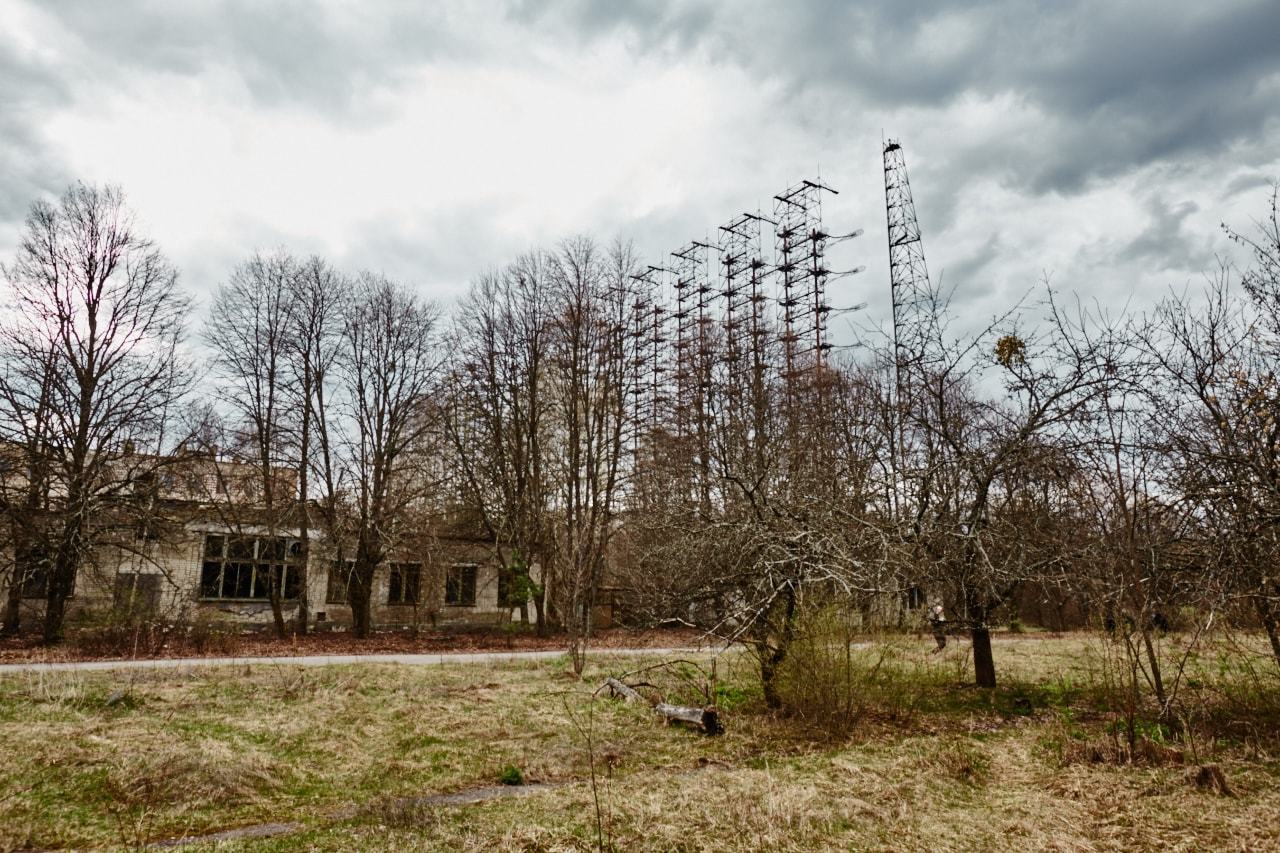 The over-the-horizon radar Duga was a part of the Soviet anti-ballistic missile early warning system which included two other components such as line-of-sign radars and a satellite system. Its main purpose was an early detection of intercontinental ballistic missiles launches. The Duga-1 radar, which is located near the town of Chernobyl, was installed in case of a nuclear attack from the US territory on the Soviet Union. The signal would be caught soon after (around 3 minutes) any launch of intercontinental ballistic missiles and next 25-30 minutes were enough to make a decision on a retaliatory strike. The radar broadcast was also heard in the shortwave bands. It was sounding like a repetitive tapping noise. That’s why the Duga radar got the unofficial name "Russian woodpecker";. The receiver of Duga-1 was in use till the Chernobyl accident and the second station, which was located in the Russian Far East, was taken off combat alert duty in 1989.
🇺🇦 Дуга #2 🚀
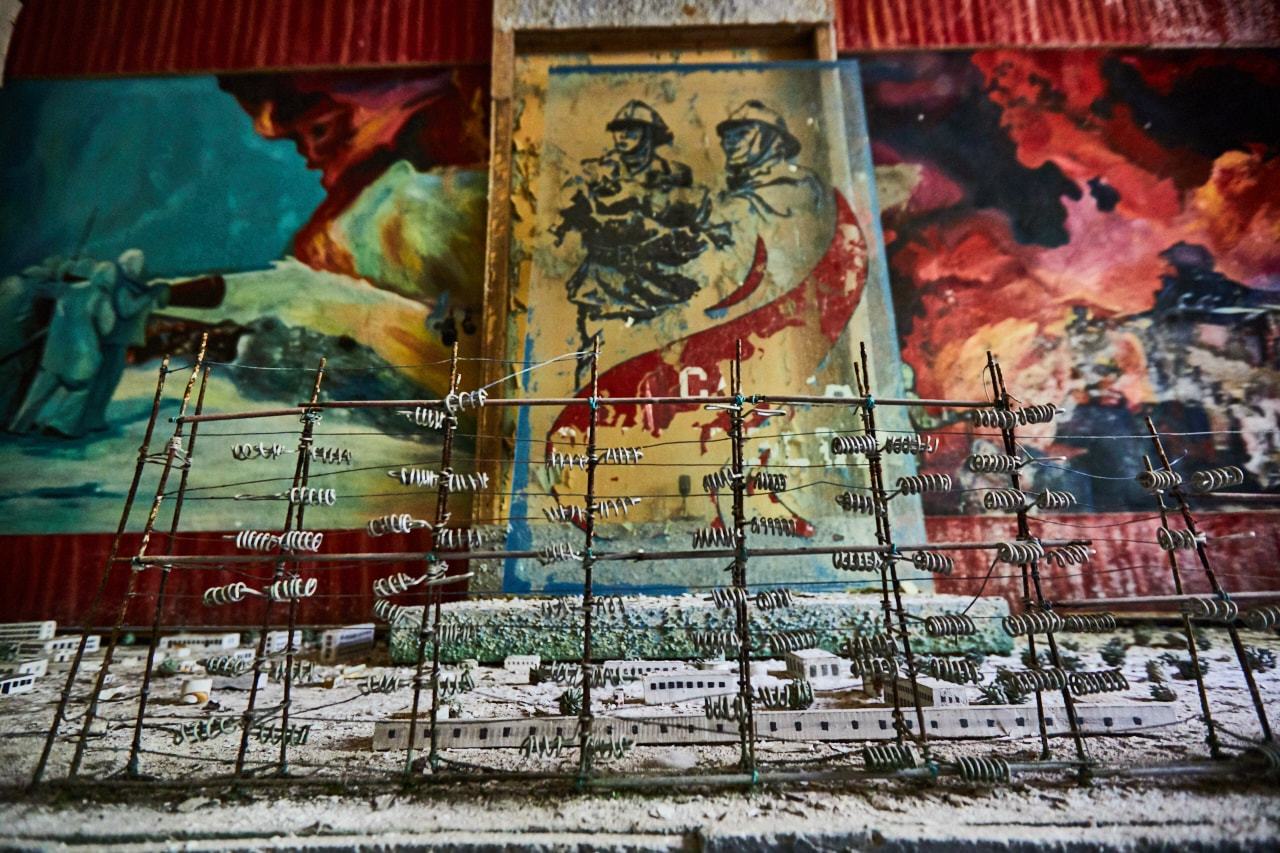 Радіолокатор Дуга був частиною радянської протиракетної системи, яка складалась з двох частин – радару та супутникової системи. Основним завданням радару було завчасне виявлення запусків міжконтинентальних ракет. Радар Дуга-1 знаходився недалеко від міста Чорнобиль. Його було збудовано для виявлення ймовірних атак на СРСР з боку США. Сигнал запуску ракети перехоплювався протягом 3 хвилин з моменту пуску і протягом наступних 25-30 хвилин було цілком можливо зробити пуск на перехоплення ракет. Шум радару було чутно на коротко-частотних хвилях. Це був звук схожий на друкарську машинку. Тому радар Дуга отримав неофіційну назву «Російський Дятел». Приймач Дуга-1 використовувався до моменту аварії на ЧАЕС, а друга станція знаходилась на Далекому Сході Росії. Її було знято з озброєння у 1989 році.