Iron is a chemical element on the periodic table, iron has the symbol Fe and its atomic number is 26. Iron is the most common element on earth, forming much of Earth's inner and outer core.
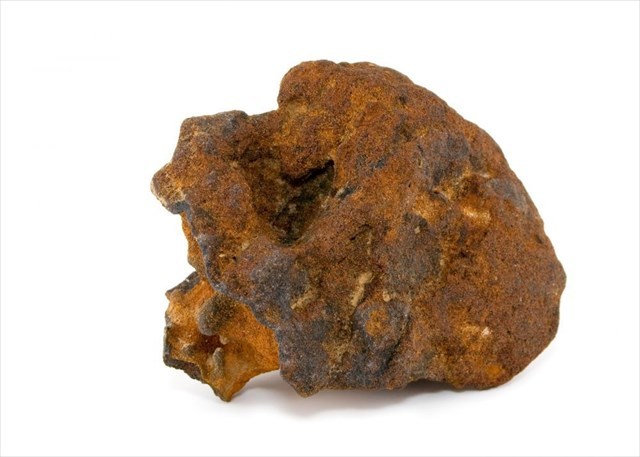
Iron exists naturally in rivers, lakes, and underground water. It may also be released to water from natural deposits, industrial wastes, refining of iron ores, and corrosion of iron containing metals.
Kapuskasing River has both iron deposits and lithium deposits in the water making it a lightish brown colour. Kapuskasing river naturally contains both Iron and Lithium, this is due to the geology of Kapuskasing.
Iron can be caused by bogs in the water, because the iron had been laid down there for a long time over many years. iron can also be found also came from the collision of planetesimals which themselves contained iron, rock and ice. The earth was very hot at a point in time, and the iron along with some elements sunk to the centre from the core. Iron can also be generated from the centre of massive stars, and is expelled into space once stars explode as supernovae at the end of their lives, so possibly a star could have been the reason for the iron deposits in the Kapuskasing river.
Iron has a rough texture and since the iron is located in the water, the iron deposits may be present in the sand. Currently there is no for sure reason on why the iron is found in the Kapuskasing river, but you will be exploring the geology of the area as you investigate the nearby features and the uniqueness of the area.
For this lesson you are going to explore about the iron in the water, and what it looks and feels like.
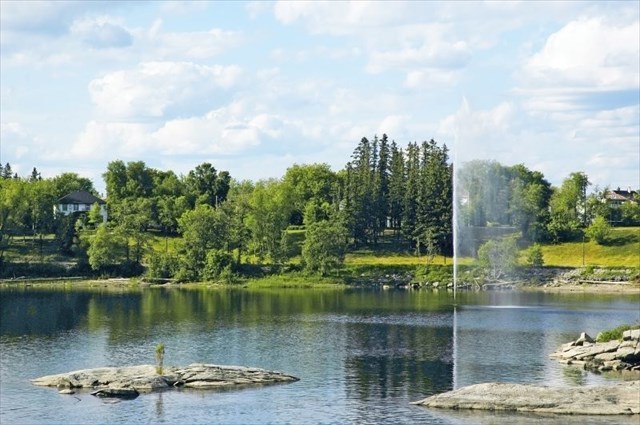
Question 1: Does all the water have a strange colouration to it? Does the water look different further out?
Question 2: Does the sand on shore have a strange texture?
Question 3: put some water in a bottle, does the water stay brown or change colour?
Question 4: Does the sand/rocks in the water have a different texture to them?
Optional: upload a photo of your experience, but please no photos that spoil the lesson for others.
