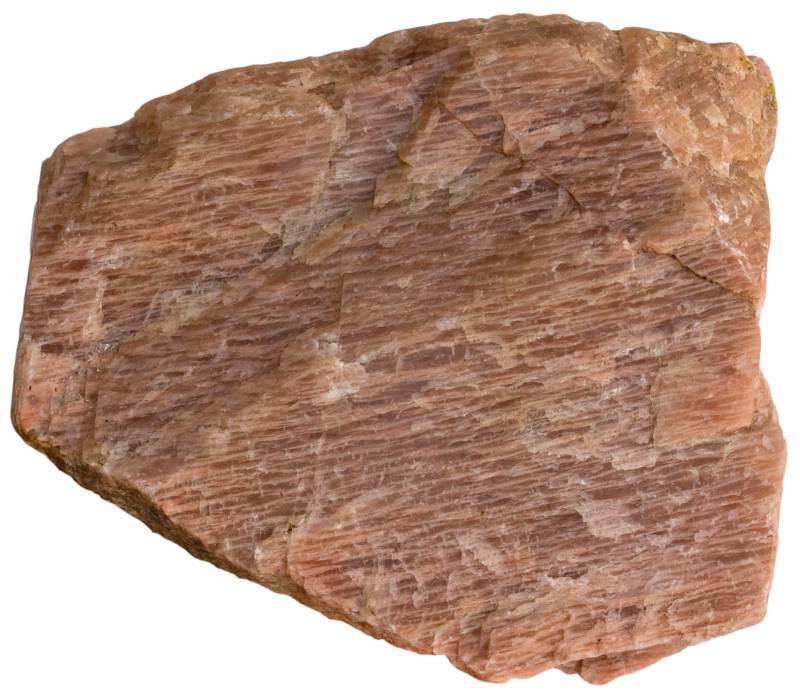
Полевой шпат является наиболее распространенной группой минералов в земной коре, образуя около 60% земных пород. Большинство месторождений предлагают полевой шпат натрия, а также калиевый полевой шпат и смешанные полевые шпаты. Полевые шпаты в основном используются в промышленных применениях для содержания глинозема и щелочей. Термин полевой шпат охватывает целый ряд материалов. Большинство продуктов, которые мы используем ежедневно, изготавливаются из полевого шпата: стекло для питья, стекло для защиты, стекловолокно для изоляции, напольная плитка и душевые кабины в наших ванных комнатах и посуда, из которой мы едим. Полевой шпат является частью нашей повседневной жизни.
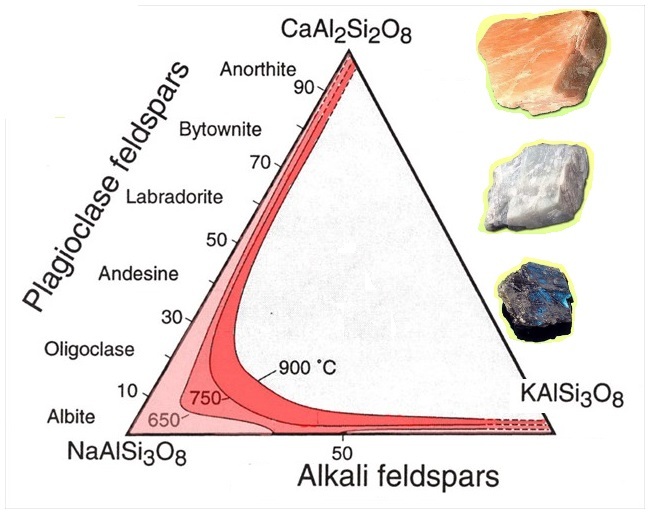
Минералы полевого шпата являются важными компонентами в магматических, метаморфических и осадочных породах до такой степени, что классификация ряда пород основана на содержании полевого шпата. Минералогический состав большинства полевых шпатов может быть выражен в терминах тройной системы Orthoclase (KAlSi3O8), Albite (NaAlSi3O8) и анортита (CaAl2Si2O8).
Подгруппа 1: ортокланы
Подгруппа 2: Альбит
Подгруппа 3: Анортит
Подгруппа ортоклаза и альбита: ортоклаз (K-полевой шпат)
Подгруппа альбитов и анортитов: плагиоклаз
Химически полевые шпаты представляют собой силикаты алюминия, содержащие натрий, калий, железо, кальций или барий или их комбинации.
Минералы, из которых состав состоит из альбита и анортита, известны как плагиоклазовые полевые шпаты, а те, которые находятся между Альбитом и Ортоклазом, называются щелочными полевыми шпатами из-за присутствия щелочных металлов натрия и калия. Щелочные полевые шпаты представляют особый интерес с точки зрения промышленного использования полевых шпатов. Среди многочисленных пород, в которых они присутствуют, полевые шпаты особенно многочисленны в изверженных породах, таких как гранит, который содержит до 50% или 70% щелочного полевого шпата.
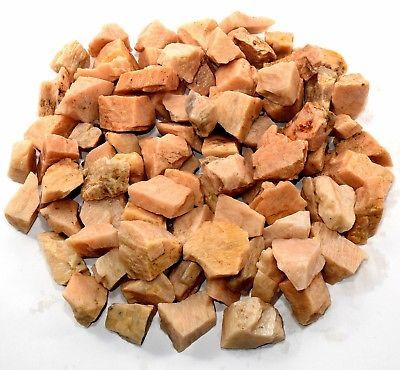
Особенности Feldspar:
Цвет: обычно белый, серый или красный
Полоса: белый или цвет тела
Блеск: Стекло
Перелом: даже неровный
Расщепление: два набора одного набора лучше разработаны
Твердость: 6
Плотность: средняя, 2,57
Возникновение: выветривание
Обычно вы найдете полевой шпат, как показано ниже, а не как более крупный минерал, как на фотографиях выше, так что вот что вы будете искать на камне в координатах (пример фотографии ниже здесь не берется)
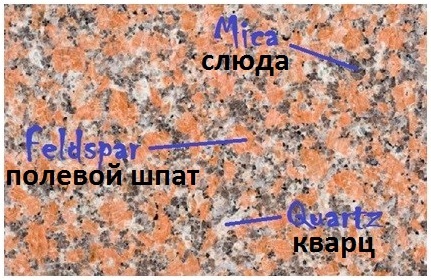
Чтобы войти в этот кеш, вам нужно будет прочитать текст и посетить приведенные координаты. После этого вам придется отвечать на вопросы, связанные с текстом и указанными координатами.
Когда ответы собраны, отправьте их владельцу для подтверждения. Я буду принимать ответы, отправленные по электронной почте или в Центр сообщений.
Вы можете зарегистрировать свою находку после отправки ответов. Если у меня возникнут вопросы о ваших ответах, я свяжусь с вами.
Журналы без отправленных ответов или с заданными вопросами от владельца будут удалены без дальнейшего уведомления.
Пожалуйста, не включайте фотографии в журнал, которые могут отвечать на вопросы.
Вопрос
1. Ответьте на вопросы, посетив Координаты.
A. Как вы можете легко определить полевой шпат? Опишите полевой шпат в координатах с его формой и цветом.
B. Посмотрите на памятник, какой процент полевого шпата, по-вашему, содержится в камне?
C. Каков средний размер минералов красного розового цвета, которые вы найдете?
D. Есть ли в средней темной части памятника минералы? Если да, то какой минерал? Если нет, то что это за материал?
2. Сделайте снимки себя, группы или вашего GPS при регистрации кеша.
Не раскрывая никаких ответов!
(Добровольно публиковать фотографию в своем онлайн-журнале)

Feldspar is by far the most abundant group of minerals in the earth's crust, forming about 60% of terrestrial rocks. Most deposits offer sodium feldspar as well as potassium feldspar and mixed feldspars. Feldspars are primarily used in industrial applications for their alumina and alkali content. The term feldspar encompasses a whole range of materials. Most of the products we use on a daily basis are made with feldspar: glass for drinking, glass for protection, fiberglass for insulation, the floor tiles and shower basins in our bathrooms, and the tableware from which we eat. Feldspar is part of our daily life.
Feldspar minerals are essential components in igneous, metamorphic and sedimentary rocks, to such an extent that the classification of a number of rocks is based upon feldspar content. The mineralogical composition of most feldspars can be expressed in terms of the ternary system Orthoclase (KAlSi3O8), Albite (NaAlSi3O8) and Anorthite (CaAl2Si2O8).
Subgroup 1: Orthoclases
Subgroup 2: Albite
Subgroup 3: Anorthite
Subgroup orthoclase and albite constitut: Orthoclase (K-feldspar)
Subgroup albite and anorthite constitut: Plagioclase
Chemically, the feldspars are silicates of aluminium, containing sodium, potassium, iron, calcium, or barium or combinations of these elements.
The minerals of which the composition is comprised between Albite and Anorthite are known as the plagioclase feldspars, while those comprised between Albite and Orthoclase are called the alkali feldspars due to the presence of alkali metals sodium and potassium. The alkali feldspars are of particular interest in terms of industrial use of feldspars. Amongst the numerous rocks in which they are present, feldspars are particularly abundant in igneous rocks like granite, which contains up to 50% or 70% of alkaline feldspar.
Properties Feldspar:
Colour: Generally white, grey or red
Streak: White or body colour
Lustre: Vitreous
Fracture: Even to uneven
Cleavage: Two sets one set is better developed
Hardness: 6
Density: Medium, 2,57
Occurrence: Weathering
Usually you will find feldspar as shown below, and not as a larger mineral as in the photos above, so here's what you'll be looking for on the stone in the coordinates (example photo below is not taken here at the location)
To log this cache.
To get to log this cache you will have to read the cache text and visit the coordinates given. After that you will have to answer the questions which are related to the text and the coordinates given.
When answers are collected, send them to CO for verification. I will accept answers sent via email or through the Message Centre.
You can log immediately after answers are sent the CO. If there are any questions about your answers CO will contact you.
Logs without answers to CO or with pending questions from CO will be deleted without any further notice.
Please do not include pictures in your log that may answer the questions.
Questions
1. Answer the questions under by visiting the Coordinates.
A. How can you easily identify the Feldspar? Describe the feldspar at the coordinates with its shape and colour.
B. Have a look at the monument, how much percentage of the feldspar would you say the stone contains?
C. What average size are the red pink colored minerals that you find?
D. Do the middle dark part of the monument contain any minerals? If yes, what is the mineral? If no, what material is it?
2. It’s voluntary to post a photo in your online log. Without revealing any answers!