Zanzibar (/ˈzænzɪbɑːr/; Swahili: Zanzibar; Arabic: زنجبار, translit. Zanjibār) is a semi-autonomous region of Tanzania. It is composed of the Zanzibar Archipelago in the Indian Ocean, 25–50 kilometres (16–31 mi) off the coast of the mainland, and consists of many small islands and two large ones: Unguja (the main island, referred to informally as Zanzibar) and Pemba Island. The capital is Zanzibar City, located on the island of Unguja. Its historic centre is Stone Town, which is a World Heritage Site.
Zanzibar's main industries are spices, raffia, and tourism. In particular, the islands produce cloves, nutmeg, cinnamon, and black pepper. For this reason, the Zanzibar Archipelago, together with Tanzania's Mafia Island, are sometimes called the "Spice Islands" (a term also associated with the Maluku Islands of Indonesia).
Zanzibar is the home of the endemic Zanzibar red colobus, the Zanzibar servaline genet, and the (possibly extinct) Zanzibar leopard.
The word Zanzibar came from Arabic zanjibār (زنجبار [zandʒibaːr]), which is in turn from Persian zangbâr (زنگبار [zæŋbɒːɾ]), a compound of Zang (زنگ [zæŋ], "black") + bâr (بار [bɒːɾ], "coast"), cf. the Sea of Zanj. The name is one of several toponyms sharing similar etymologies, ultimately meaning "land of the blacks" or similar meanings, in reference to the dark skin of the inhabitants.

MERCURY HOUSE
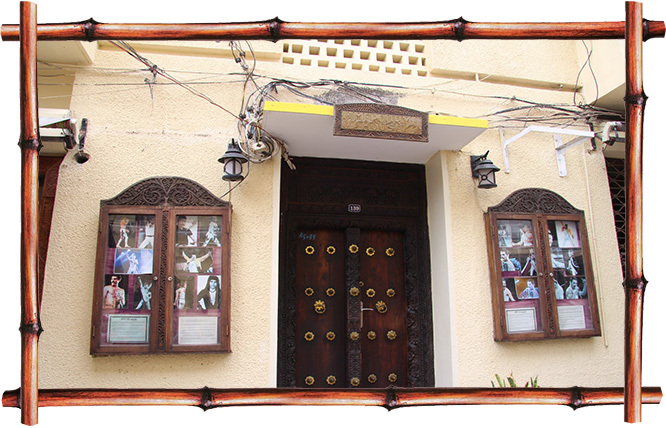
Freddie Mercury, the former lead singer of Queen, was born in Zanzibar in 1946 where his name was Farrokh Bulsara. His father worked for the British colonial service and the family lived in various locations in Stone Town, including this house which, for romantics, appears disappointingly modern. It's not open to the public but notices outside tell the story.