ITALIANO
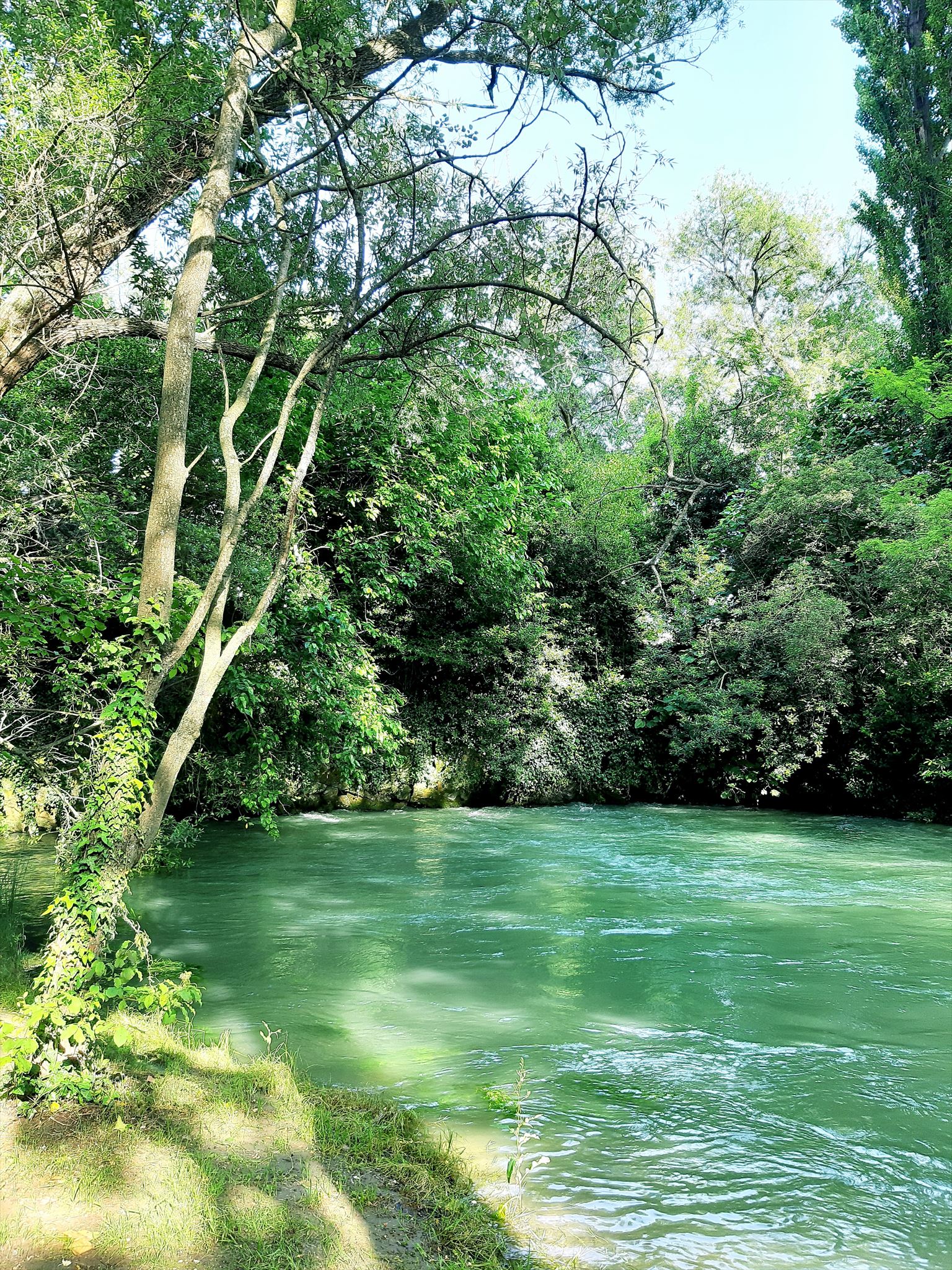
Le risorgive del Fiume Timavo rappresentano un luogo di importante interesse sociale, culturale e storico. Il fiume Timavo nasce alle pendici del Monte Nevoso (in sloveno Snežnik), vicino al confine tra Croazia e Slovenia; scorre in superficie per circa 50km e, in corrispondenza delle Grotte di San Canziano, si inabissa seguendo un percorso sotterraneo di circa 40km fino a San Giovanni di Duino dove riappare per sfociare nel Mar Adriatico dopo un percorso di appena 2 km che lo rende il più breve fiume italiano.
Quest’area è stata nell’antichità un importante luogo di culto: le popolazioni primitive erano rimaste affascinate dal curioso fenomeno delle risorgive ed in epoca romana vi si veneravano Ercole, Saturno e il dio Temavus. Persino il poeta Virgilio nomina questo luogo nel poema “Eneide”, rendendolo il rifugio di Antenore durante il suo viaggio:
[…] et fontem superare Timavi, unde per ora novem vasto cum murmure montis it mare proruptum et pelago premit arva sonanti
( […] e valicare le fonti del Timavo, da dove con nove bocche tra lo scrosciare rumoroso del monte il fiume prorompe come una marea impetuosa e copre i campi con l’onda risonante )
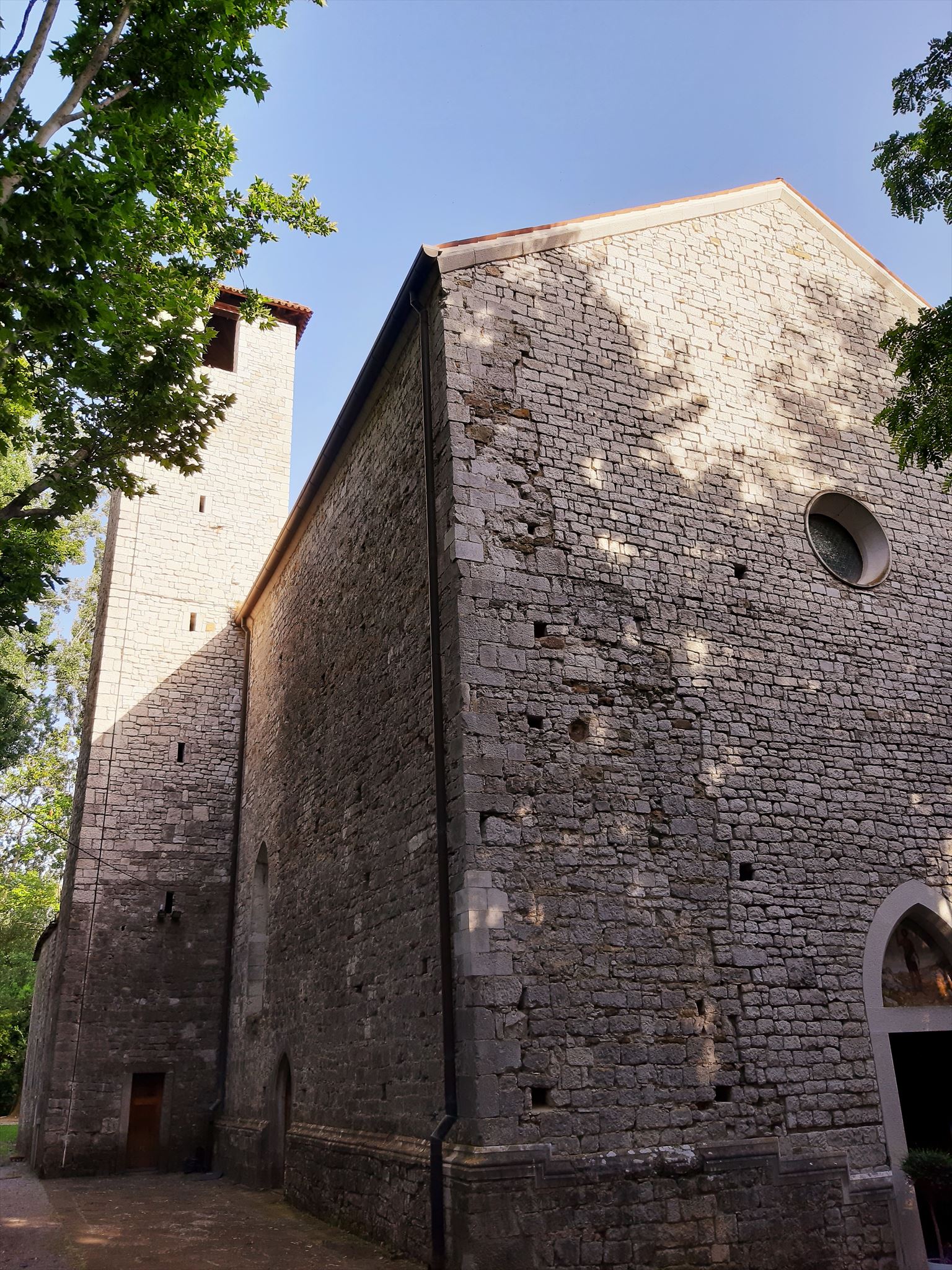
Nel V secolo in prossimità delle risorgive venne edificata una basilica paleocristiana sulle cui rovine fu successivamente eretta la Chiesa di San Giovanni in Tuba, che, sul Carso, rappresenta un rarissimo esempio di edificio gotico; i resti della basilica del V secolo sono stati riportati alla luce durante i lavori di ristrutturazione ed i mosaici originali sono tuttora visibili nell’abside della Chiesa.
La zona delle risorgive è stata importante anche in tempi più recenti: durante la I Guerra Mondiale l’altipiano carsico è stato teatro di numerose battaglie tra l’esercito italiano e quello austriaco, come testimoniato dalle numerose trincee e bunker che possiamo ritrovare passeggiando nei boschi limitrofi.
Oltre all’importanza storica, questo ambiente possiede anche una ricca flora, con specie tipiche degli ambienti umidi come i pioppi bianchi e i salici, ed una peculiare fauna, tra cui spiccano il falco di palude (Circus aeruginosus) e lo scazzone del Timavo (Cottus scaturigo).
Quando trovi la cache, RUOTA il coperchio, NON TIRARE VERSO L’ALTO.
ENGLISH
Reka river springs represent a place of remarkable social, cultural and historical interest. The Reka river (or Timav river) flows above ground for 50km from Mount Snežnik, in proximity of the border between Slovenia and Croatia, to Škocjan Caves where it sinks and therefore flows underground for another 40km. The river then resurfaces at San Giovanni di Duino and flows into the Adriatic Sea after only 2km, distance that makes it the shortest river in Italy.
This area in ancient times was an important place of worship: people that first inhabited the county were amazed by the mysterious spring phenomenon and the Romans worshipped Hercules, Saturn and the very peculiar god Temavus here. This special area was even described by Virgil in his epic poem “Aeneid”; here Antenor found shelter during his travels:
[…] et fontem superare Timavi, unde per ora novem vasto cum murmure montis it mare proruptum et pelago premit arva sonanti
( […] and overpass the springs of Timavus, whence, through nine mouths, with loud echoing from the mountain, it bursts away like a sea impetuous, and sweeps the fields with a roaring deluge)
In the Vth century a Paleochristian cathedral was built in the area and subsequently, on its ruins, the Christian church of San Giovanni in Tuba was erected. The latter is a rare example of Gothic building in the Karst area. The Early-Christian church ruins were recently discovered during a restoration project and the original Vth century mosaics are still visible all over the apse of the church.
Another paramount moment in the springs area history was the First World War: the Italian and Austrian army fought many battles all over the Karst plateau and several trenches and bunkers are still hidden in the woods nearby.
Besides the historical and sociocultural role, this area possesses a remarkable climate as well. Water abundance near the springs has allowed the establishment of a vegetation that usually is typical of wet valleys: among the most peculiar trees, white poplars and willows may be found here. The fauna is unique as well: here the western marsh harrier (Circus aeruginosus) nests and the Cottus scaturigo lives; the latter is a most distinctive freshwater fish that is related to the European bullhead and may be found exclusively in this area.
When you find the cache TURN the lid, DO NOT PULL.