EN
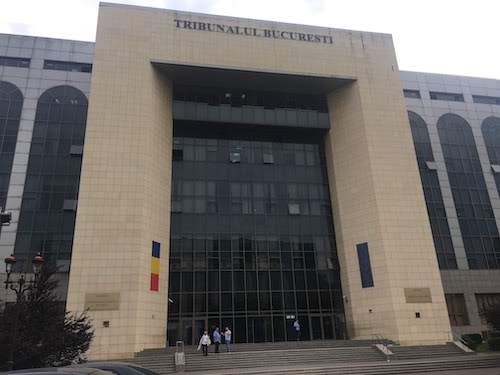
The court building is the result of the reconstruction of the former Junior Store, also known as the "Mirror Shop". The store was inaugurated in 1987 and was not very successful among the Bucharest people. Before it was closed, just 5 years after its inauguration in 1992, the store was only on the ground floor of the building, the rest of the space being unused. The building remained unused until 1999 when it comes to the attention of the government and is declared to be of public utility and national interest. The building is assigned to the Ministry of Justice, which originally intended to move into this area the High Court of Cassation and Justice. After the representatives of this institution refused to move in this area, the Ministry of Justice decided to move to the new headquarters of the Bucharest Tribunal and the District Court 2. The old building of the store was preserved the atrium, called Hall of Lost Steps, stairs and old hallways, the rest being totally rebuilt.
The building has been rebuilt to meet international standards and ensure good conduct of justice. The two-level subsurface has a surface comparable to the overground building. Courts are located here, depending on gender and age. The cells are built to European standards, each room being equipped with sanitary units and air conditioning. Also in the basement there are spaces for clerks, archives, spaces for guarding the building, as well as a parking lot.
On the ground floor is the public service area, archives, registrars, service judge's offices, prosecutors and lawyers. The first and second floors feature 26 courtrooms, deliberation chambers and judges' offices. The last three floors have restricted access to the public and are intended for court tribunal staff.
RO
Clădirea tribunalului este rezultatul reconstrucției fostului Magazin Junior, cunoscut și sub numele de „magazinul oglinzilor”. Magazinul a fost inaugurat în 1987 și nu a avut prea mare succes în rândul bucureștenilor. Înainte de a fi închis, după doar 5 ani de la inaugurare, în 1992, magazinul prezenta spații comerciale doar la parterul clădirii, restul spațiului fiind neutilizat. Clădirea a rămas nefolosită până în anul 1999 când intră în atenția guvernului și este declarat imobil de utilitate publică și interes național. Clădirea este atribuită Ministerului Justiției, care a intenționat inițial să mute în acest spațiu Înalta Curte de Casație și Justiție. După ce reprezentanții acestei instituții au refuzat mutarea în acest spațiu, Ministerul Justiției a hotărât mutarea în noul sediu a Tribunalului București și a Judecătoriei Sectorului 2. Din vechea clădire a magazinului au fost păstrate atriumul, denumit Sala pașilor pierduți, scările și vechile holuri, restul fiind în totalitate reconstruit.
Clădirea a fost reconstruită în așa fel încât să corespundă standardelor internaționale și să asigure o bună desfășurare a actului de justiție. Subsolul, format din două niveluri are o suprafață comparabilă cu construcția supraterană. Aici sunt amplasate aresturile instanțelor, în funcție de sex și vârstă. Celule sunt construite la standarde europene, fiecare încăpere fiind dotată cu grupuri sanitare și instalații de climatizare. Tot la subsol sunt amenajate spații pentru grefieri, arhivele, spațiile destinate pazei clădirii, precum și o parcare.
La parter se află zona destinată serviciilor cu publicul, arhivele, registraturile, birourile judecătorului de serviciu, a procurorilor și avocaților. Etajele unu și doi prezintă 26 de săli de judecată, camerele pentru deliberare și birourile judecătorilor. Ultimele trei etaje au accesul restricționat publicului, fiind destinate personalului tribunalului instanței.