QUARRELWOODS SPYNIE GEO-WALK HOLLY
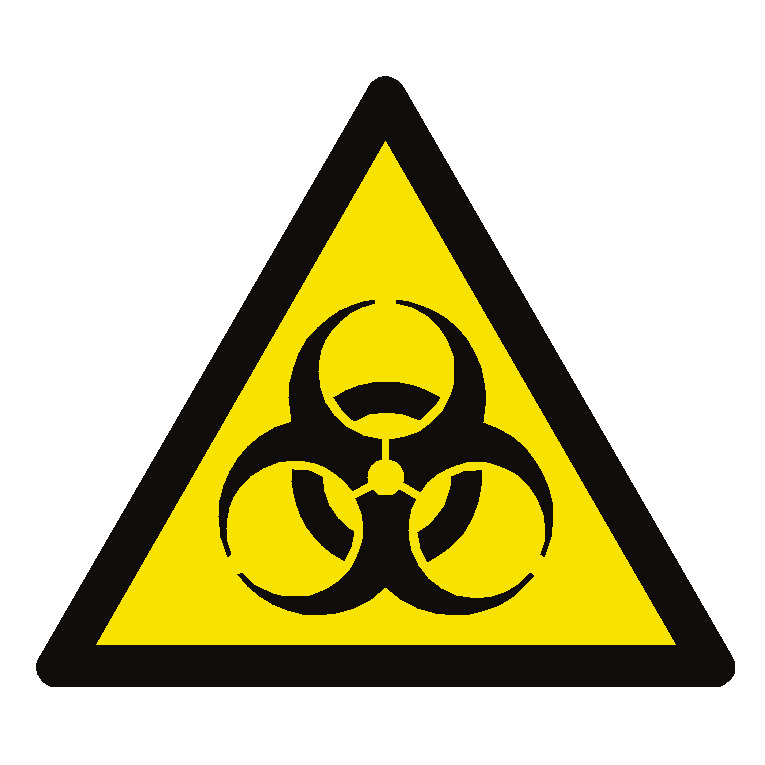 COVID VIRUS CAN BE TRANSFERRED BY CONTACT. PLEASE TAKE WHATEVER PRECAUTIONS YOU FEEL ARE NECESSARY. THANKS AND KEEP SAFE.
This Geocache hide is a modified hand torch. Been DISABLED and electrical parts removed.
This walk utilises 75% of the Quarrelwoods Spynie Trail, classified as an “all abilities path”, and other footpaths of this network. Approximately 2.5km long, this short walk will take adults approximately 30 minutes. This Geo-Walk starts in the Spynie car park which has picnic tables and also features a large wooden sun dial and stone plinth. FOLLOW the main track on the LHS of the car park, protected by a single pole barrier. The Geo adventure begins.
HOLLY TREES:
BARK: The bark is smooth with numerous small, brown 'warts': 
 LEAVES: The leaves are dark green, glossy and spiky on young trees, but the leaves of older trees are much more likely to be smooth.
 FLOWERS: Holly trees are either female or male and produce white flowers. Providing that there is a male tree nearby the female flowers will produce fruit, bright red berries.
WILDLIFE BENEFITS: Holly provides dense cover and good nesting opportunities for birds, while its deep, dry leaf litter may be used by hedgehogs and small mammals for hibernation. The flowers provide nectar and pollen for bees and other pollinating insects. The leaves are eaten by caterpillars of butterflies, along with those of various moths. The smooth leaves found at the tops of holly trees are a winter source of food for deer. The berries are a vital source of food for birds in winter, and are also eaten by small mammals such as mice and voles.
***CONGRATULATIONS SCOOBYDOOPOO & ALO FOX *** - FTF
***CONGRATULATIONS 208 BUCCANEERS *** - STF
***CONGRATULATIONS GRAMPSY *** - TTF