🇭🇷
Hrastinski meteorit je željezni meteorit koji je pao 26. svibnja 1751. godine u blizini Hrašćine (Hrvatsko zagorje). To je prvi siderit (metalni meteorit) za koji je zabilježeno da pada. To je prvi i najveći primjerak jedne od najvećih i najstarijih zbirki meteorita na svijetu, zbirke Prirodoslovnog muzeja u Beču. U svom presjeku Alois von Beckh Widmanstätten primijetio je kristalografsku strukturu jedinstvenu za željezne meteorite.
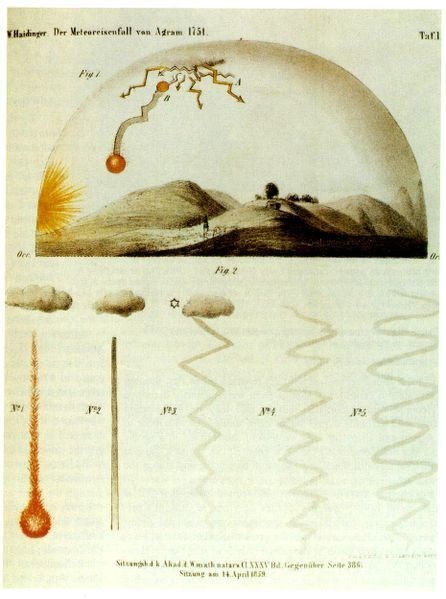
Tog dana dva polja meteorita, težine 39,76 i 8,96 kg, pala su na teren u selu Domovac. Veća se čuva danas u Prirodoslovnom muzeju u Beču. Polirana pločica izrađena od ovog meteorita (težine svega 0,56 grama) nalazi se i u Prirodoslovnom muzeju u Zagrebu. Ali kršćani su rastrgali i dio meteorita u nokte. Bio je to prvi ikad dokumentirani pad popraćen zapisom, povorkom akademika u njegovom istraživanju i nizom otkrića koja su izmijenila tadašnju astronomsku znanost. Ovu jesen, kojoj je svjedočio veliki broj ljudi, nesumnjivo je pokazao da „kamenje može pasti s neba“, iako, istinski volji tih četrdeset kilograma svemirskog materijala, to nije bio kamen, već isprepletena struktura velikih kristala čistog željeza i nikla, tada nazvanih „Agramit“ "u čast grada Zagreba.
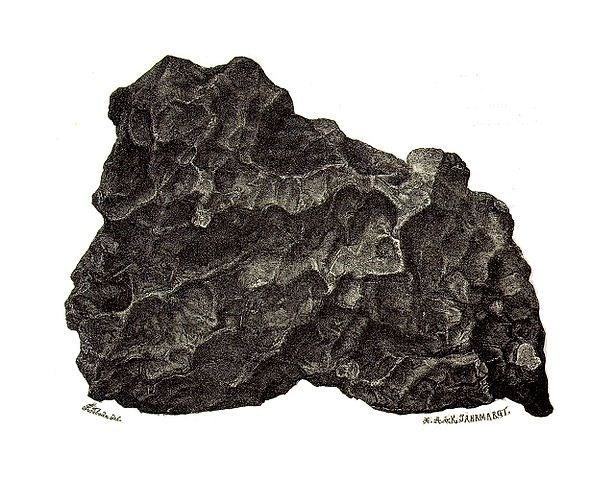
Na temelju protokola biskupa baruna Franje Klobusickog i činjenice da su ovi svježe pali meteoriti bile istopljene metalne kore, Ernst Chladni je 1794. predložio ideju da meteoriti potječu iz vanjskog svemira.
Dokument o padu meteorita u blizini Hrašćine sastavio je generalni vikar Zagrebačke biskupije 6. kolovoza 1751. Ovaj prvi dokument o saslušanju očevidaca o padu meteorita na zemlju, napravljen u vrijeme kada nije postojala mogućnost takve pojave, čuva se u bečkoj knjižnici Prirodoslovni muzej. Objavljeno je da se oko 18 sati na nebu prema istoku pojavila vatrena kugla koja je uz topove poput topa pukla u dva komada praćena gorućom stazom, a kad je pala na zemlju, tutnjava je bila još jača. Komad meteorita kršćani su odnijeli u župu, a vijest je stigla do zagrebačkog biskupa, koji je poslao kanone na saslušanje svjedoka. Prošlo je gotovo 40 godina od zapisa željeznog kršćanskog meteorita do sljedećeg - meteorita pronađenog u blizini Barbotana, u Francuskoj. Nakon ovog pada muzeji, kraljevski kolekcionari i Vatikan krenuli su sakupljati "svemirsko kamenje", meteorite, i stoga je ovaj pad meteorita od velike važnosti za znanost.
Koordinate vas vode u blizini mjesta na kojem je pronađen najveći komad i na kojem ćete pronaći primjerak ovog djela.
Da biste zabilježili predmemoriju, morate mi poslati odgovor na sljedeće odgovore:
- Koja je masa i dimenzije najvećeg komada meteorita?
- Koliko su duboke udubljenja?
- Površina je glatka ili hrapava?
- Kakav je sastav?
- Privlače li magneti?
- Da li utječe na kompas?
🇬🇧
Hraschina meteorite is an iron meteorite that fell on May 26, 1751 near Hrašćina (Hrvatsko Zagorje). It is the first siderite (metal meteorite) that has been reported to fall. It is the first and largest specimen of one of the largest and oldest collections of meteorites in the world, the collection of the Museum of Natural History in Vienna. At his cross-section, Alois von Beckh Widmanstätten noticed a crystallographic structure unique to iron meteorites.
On that day, two meteorites, weighing 39.76 and 8.96 kg, fell on the field in the village of Domovac. The larger one is kept today at the Museum of Natural History in Vienna. A polished tile made of this meteorite (weighing only 0.56 grams) is also in the Zagreb Museum of Natural History. But the Christians tore and part of the meteorite into nails. It was the first ever documented fall, accompanied by a record, a procession of academics in its study, and a series of discoveries that altered astronomical science of the time. This fall, witnessed by a large number of people, undoubtedly showed that "stones can fall from the sky," although, true to the will of those forty pounds of space material, it was not a stone but the interwoven structure of large crystals of pure iron and nickel, then called "Agramit" "in honor of the city of Zagreb.
Based on the protocol of Bishop Baron Franjo Klobusicki and the fact that these freshly fallen meteorites were molten metal crusts, Ernst Chladni proposed in 1794 the idea that meteorites originate from the outer universe.
The document on the fall of the meteorite near Hrašćina was drawn up by the Vicar General of the Diocese of Zagreb, August 6, 1751. This first document on the hearing of eyewitnesses about the fall of the meteorite on the earth, made at a time when there was no possibility of such a phenomenon, is kept at the Viennese Library Museum of Natural History. It was reported that around 18 hours in the sky towards the east, a fireball appeared, which, with the cannon-like rumble, burst into two pieces followed by a burning trail, and when it fell to earth, the rumble was even stronger. A piece of the meteorite was taken to the parish by Christians, and the news came to the bishop of Zagreb, who sent the canons to listen to witnesses. It's been almost 40 years since the records of the Iron Christian Meteorite to the next one - the meteorite found near Barbotan, France. After this fall, museums, royal collectors, and the Vatican set out to collect "space stones," meteorites, and therefore this meteorite fall is of great importance to science.
The coordinates take you near the place where the largest piece was found and where you find the copy of this piece.
To log the cache you must send me the response to the following answers:
- What is the mass and dimensions of the greatest piece of the meteorite?
- How deep the depressions are?
- The surface is smooth or rough?
- What is the composition?
- Does it attract magnets?
- Does it influence the compass?