KAJ SO INVAZIVNE RASTLINE?
Invazivne tujerodne rastline lahko oblikujejo velike sestoje in so zato zelo opazne. Največkrat se najprej ustalijo na ruderalnih rastiščih, ob cestah, v mestih, na gradbiščih, kjer je človek odstranil prvotno rastlinje in jim omogočil razrast. A ruderalna rastišča so lahko le odskočna deska za tujerodne rastline, ki se lahko od tam postopoma razširijo tudi v (pol)naravna območja, kjer so vplivi na biotsko raznovrstnost bistveno večji. Številne tujerodne rastline se razširjajo tudi z vodnim tokom, ki vzdolž rek prenaša semena in delce korenik. To je tudi razlog, da so nekatere invazivne tujerodne rastline v Sloveniji prekrile brežine številnih vodotokov in s teh predelov izrinile domorodne vrste.
Invasive non-native plants can form large stands and are therefore highly visible. Most often they settle down in ruderal habitats, along roads, in cities, on construction sites where a person has removed the original vegetation and allowed them to grow. But ruderal habitats can only be a springboard for non-native plants, which can then gradually expand into (semi) natural areas, where the impacts on biodiversity are significantly greater. Many non-native plants also spread through water, which carries seeds and particles of rhizomes along the rivers. This is also the reason that some invasive non-native plants in Slovenia have covered the slopes of many watercourses and have displaced native species from these areas.
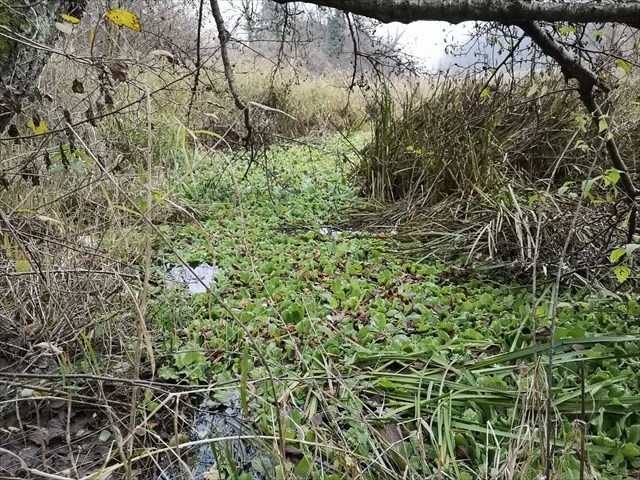
vodna solata v mrtvici Save
Čeprav popolnega seznama tujerodnih vrst v Sloveniji še nimamo, prvi podatki kažejo, da se pri nas vsaj občasno v naravi pojavlja 750 tujerodnih rastlin, 330 pa se jih je verjetno že udomačilo. Številne med njimi smo že kdaj videli, saj so v času cvetenja zelo opazne, morda pa ne vemo, da so invazivne.
Although we do not yet have a complete list of non-native species in Slovenia, the first data show that at least occasionally 750 non-native plants occur in Slovenia, and 330 of them have probably already been domesticated. We have seen many of them before, as they are very noticeable at the time of flowering, but we may not know that they are invasive.
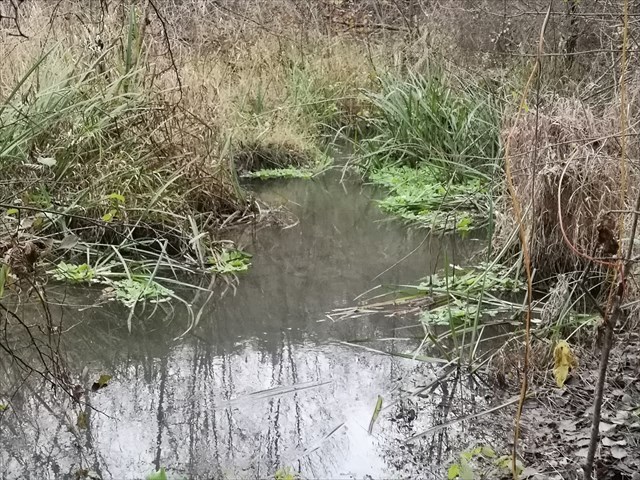
VODNA SOLATA (Pistia strationes)
Na videz nas spominja na glave vrtne solate , vendar je tropska rastlina, ki s dolgimi listi plava na vodi. Tanke nitaste korenine so lahko dolge do 1 m. Rastlina tvori tudi cvet in se tako poleg nespolnega razmnoževanja razmnožuje tudi spolno.
V vrtne ribnike jo naselimo zaradi senčenja in kot naravni pripomoček za vzpostavitev naravnega ravnovesja v ribniku, saj z svojo prisotnostjo kočno izboljša kvaliteto vode, le paziti moramo, da se ne razraste preveč in ne pokrije več kot 20% vodne površine.
Mrtvem rokavu Save grozi prava ekološka katastrofa. Na 25-ih hektarjih se je namreč razrasla neavtohtona vodna solata. Iz vode pa črpa tolikšne količine kisika, da lahko brez njega ostanejo ribe in rastline na dnu.
It seems to remind us of the heads of a garden salad, but it is a tropical plant that floats on water with long leaves. Thin filamentous roots may be up to 1 m long. The plant also forms a flower and, in addition to its asexual reproduction, also reproduces sexually.
It is inhabited in the garden ponds for shading and as a natural aid for restoring the natural balance of the pond, since by its presence it improves the quality of the water, we only need to make sure that it does not grow too much and cover more than 20% of the water surface.
The dead water sleeve of the Sava is threatened by a real ecological disaster. Namely, the non-indigenous water salad has grown on 25 hectares. However, it draws enough oxygen from the water so that fish and plants at the bottom can remain without it.
Rastlina za preživetje potrebuje vodo, ki ima najmanj 17 stopinj. Na tem mestu ima vodna solata idealne pogoje, ker tukajšnja voda prihaja iz izpustov bazenov term Čatež, tako da ima voda tudi pozimi najmanj 20 stopinj. Ker rastlina nima naravnega sovražnika se širi tako hitro, da se v 14 dneh iz 10 kvadratnih metrov razširi na 100 kvadratov.
Prekrila je že cel zgornji tok vode, voda je zato neprepustna za sončno svetlobo. Posledica je upad deleža kisika, kar pa pomeni smrt za organizme, ki dihajo v tej vodi. Ribiče še posebej skrbi za avtohtone krape divjake, ki so pri nas ogrožena vrsta.
Brežiška ribiška družina je o onesnaženosti obvestila inšpektorakt in pristojna ministrstva, odgovorov pa zaenkrat še niso dobili. Tako jim ni preostalo drugega kot, da so se vodne solate lotili z lastnimi rokami.
The plant needs water at least 17°C to survive. At this point, water salad has ideal conditions because the water here comes from the discharges of the Čatež spa pools, so that the water also has a minimum of 20°C in winter. Because the plant has no natural enemy, it expands so rapidly that it expands to 100 m2 within 10 days.
It has already covered the entire upper stream of water, so the water is impervious to sunlight. The result is a decrease in the oxygen content, which in turn is a death for the organisms that breathe in this water. Fishermen are especially concerned with native game carps, which are an endangered species in our country.
The Brežice fishing family informed the inspectorate and the competent ministries of the pollution, and so far no response has been received. So there is nothing left for them to do, except that they used water salads with their own hands.
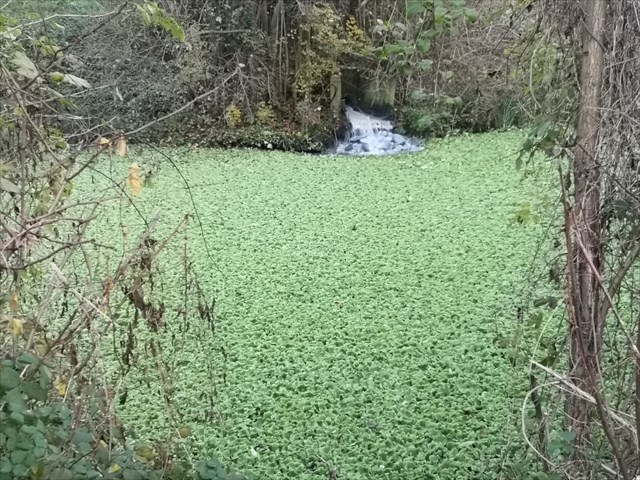
Izpust vode iz čistilne naprave Term Čatež v mrtvico Save pri Prilipah
Mrtvica pri Prilipah je edina ohranjena mrtvica Save v Posavju. Zaradi svojega pomena na biotsko raznovrstnost ima status hidrološke, botanične in ekosistemske naravne vrednote državnega pomena. Naravni termalni izvir naj bi omogočal, da se temperatura vode v mrtvici čez celo leto ne spusti pod 17 stopinj Celzija. Po letu 2000 se je v mrtvici začela razraščati invazivna tropska rastlinska vrsta vodna solata, ki je v dveh letih, odkar je bila prvič opažena, prekrila večji del mrtvice. Namnožitev vodne solate je že pripeljala do tega, da so izginile nekatere vrste rib, v mrtvici pa so se pojavile druge invazivne tujerodne vrste kot na primer avstralski rdečeškarjevec, nilski ostriž in želva rdečevratka. Za vzpostavitev ugodnega stanja vodnega ekosistema in obnovo biotske raznovrstnosti bi bila nujno potrebna odstranitev invazivne tropske rastline. V ta namen je Ribiška družina Brežice več let zapored organizirala akcije čiščenja mrtvice v sodelovanju z ZVN. Za odstranjevanje je bilo uporabljenih več metod, tako mehansko odstranjevanje kot tudi odstranjevanje s kemikalijami, vendar so bili vsi poskusi ostranitve neuspešni.
Dead sleeve at the Prilipe village is the only surviving Sava dead sleeve in the Posavje region. Due to its importance on biodiversity, it has the status of hydrological, botanical and ecosystem natural values of national importance. The natural thermal spring is expected to keep the water temperature in the morgue below 17°C throughout the year. After 2000, the invasive tropical plant species began to grow in the dead water sleeve, a water salad that covered most of the dead body within two years of its first sighting. The multiplication of water lettuce has already led to the disappearance of some species of fish, and other invasive alien species such as the Australian Redfin, Nile perch and redhead turtle have died in the dead water sleeve. Removal of an invasive tropical plant would be urgently needed to restore the aquatic ecosystem and restore biodiversity. To this end, the Brežice Fishermen's Family has for several years in a row organized actions to clean up the morgue in cooperation with the ZVN. Several methods, both mechanical and chemical, have been used for disposal, but all attempts at removal have been unsuccessful.
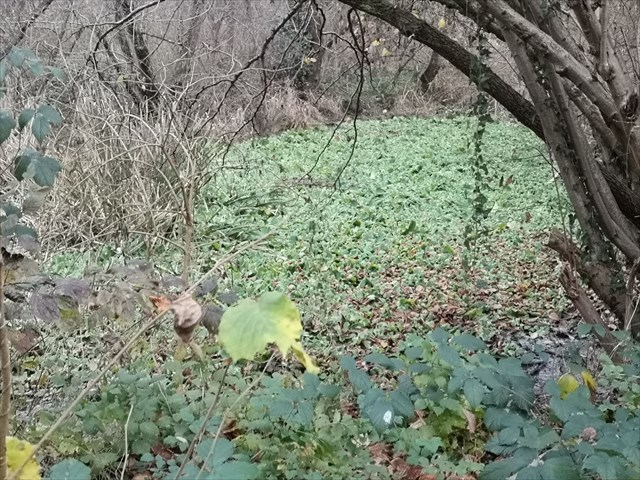
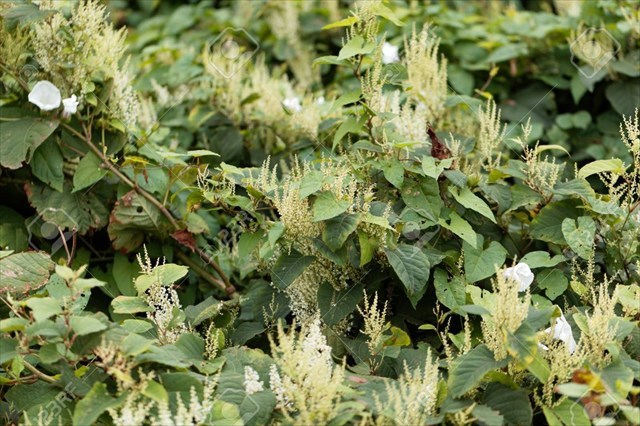
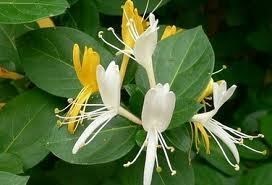
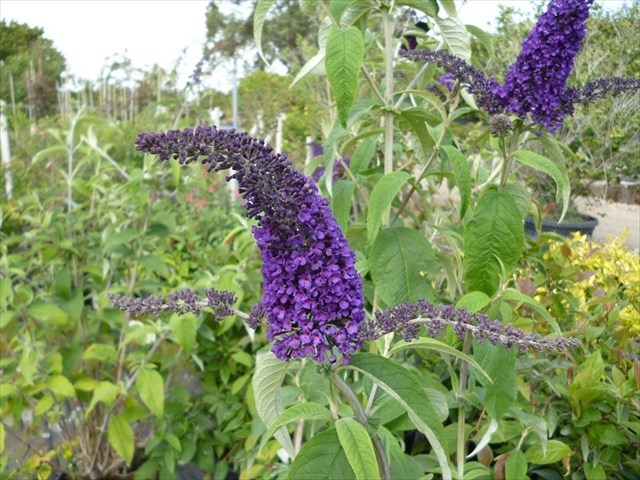
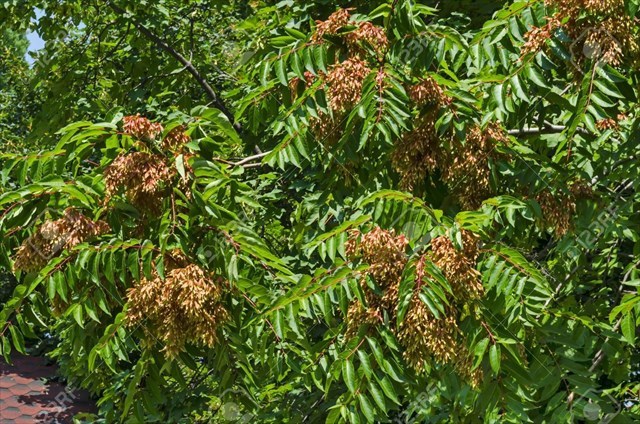
Preden se odpraviš na iskanje izgubljenega zaklada v močvirska brezpotja mrtvice Save proti vodni solati, pa spoznaj še nekaj invazivnih tujerodnih rastlin v Sloveniji.
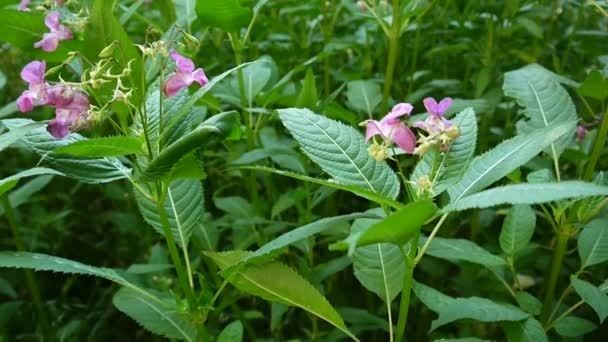
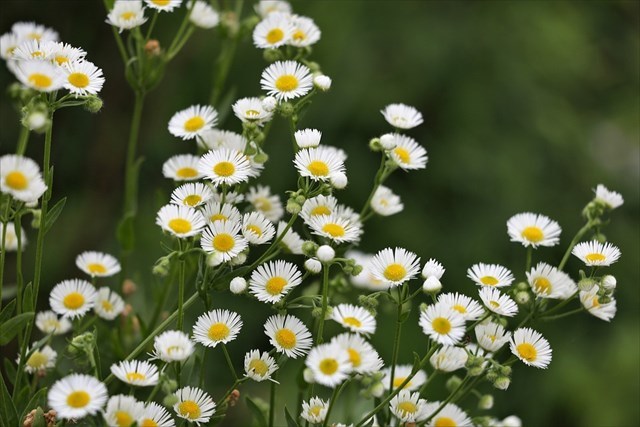
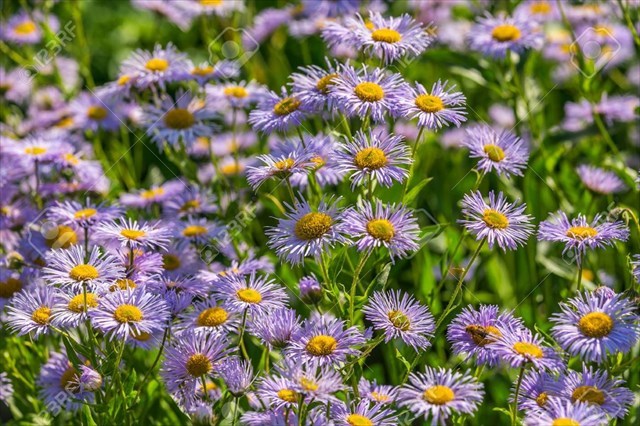
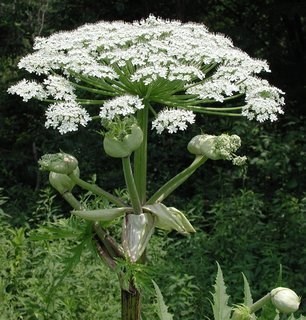
Fotografije pod črkami poveži z latinskimi imeni iz seznama pod fotografijami in reši enačbo:
Before you go to search for lost treasure in the marshy dirt paths of the Sava dead sleeve against a water salad, get to know some invasive alien plants in Slovenia.
Associate lettering with letters with Latin names from the list under photographs and solve the equation:
45° YY.XXX
015° ZZ.QQQ
YY = E*A+I
ZZ = N*A-M-K
XXX = L*J+H*F-B
QQQ = C*D*G-E*(L-F-A)+(N-I)
A
B
C
D
E
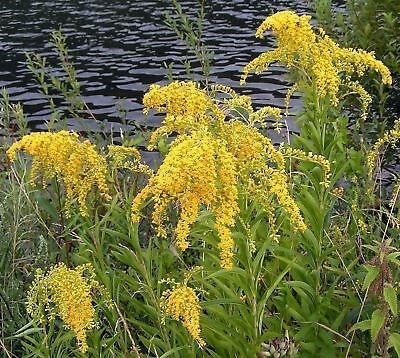
F
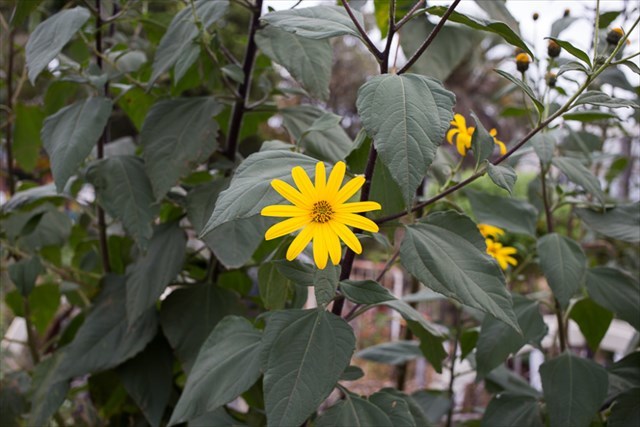
G
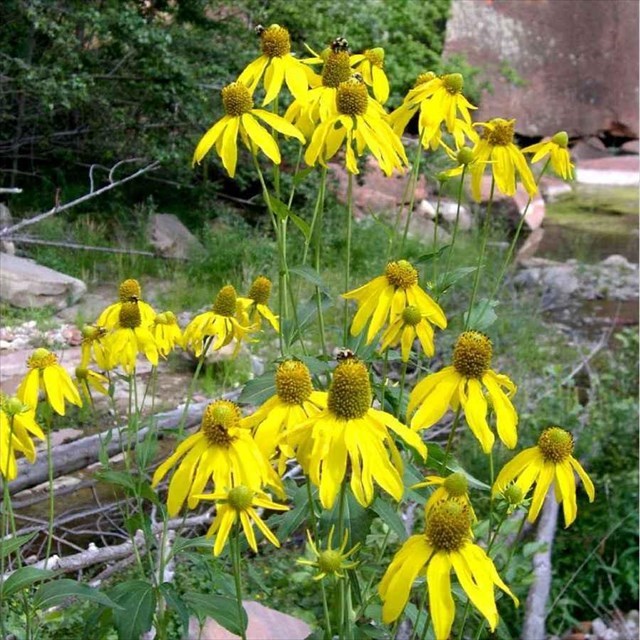
H
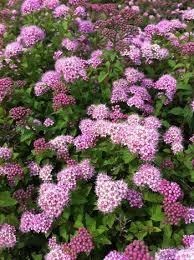
I
J
K
L
M
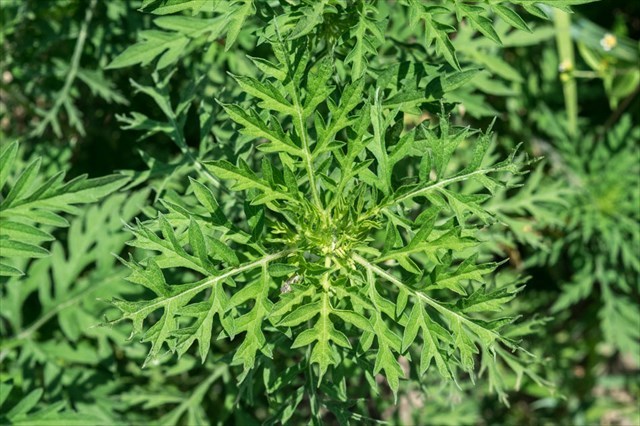
N
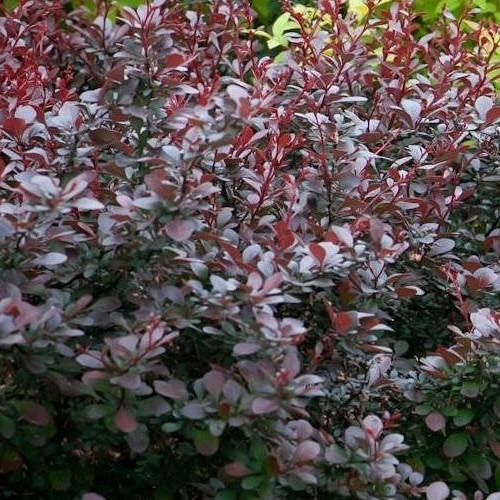
Buddleja davidii - 7
Helianthus tuberosa - 13
Erigeron annuus - 21
Berberis thunbergii - 29
Spirea japonica - 17
Heracleum mantegazzianum - 25
Fallopia japonica - 3
Ambrosia artemisifolia - 27
Rudbeckia laciniata - 15
Impatiens glandulifera - 19
Solidago canadensis - 11
Lonicera japonica - 5
Aster sp. - 23
Ailanthus altissima - 9