This EarthCache takes you to 22-24 Old Market, Halifax, West Yorkshire, we are here to look at the stonework which makes up the building, namely the stone paneling forming its exterior. So what are we here to look for? Well we are here to look for what are known as soft sediment deformation structures.
So what does the terminology soft sediment deformation mean?
Sedimentary rocks are types of rock that are formed by the deposition and subsequent cementation of that material at the earth's surface and within bodies of water. Sedimentation is the collective name for processes that cause mineral and/or organic particles to settle in place. The particles that form a sedimentary rock by accumulating are called sediment. Before being deposited, the sediment was formed by weathering and erosion from the source area, and then transported to the place of deposition by water, wind, ice, mass movement or glaciers. Sedimentation may also occur as minerals precipitate from water solution or shells of aquatic creatures settle out of suspension.
The proess of the sediment becoming rock is known as lithification. This happens as the sediment compacts and cements together , either at the time of deposition or at a later date. The process can happen due to pressure, and the expulsion of fluids in the sediment.
So where do soft sediment deformation structures fit in this process?
Well, these develop either at the deposition of the sediment or soon after. For these to develop, the sediment will have been almost like a fluid, before consolidation occured, and thus solidification of the sediment. They tend to occur in marine environments, such as deep water basins, rivers, river deltas and shallow marine locations, which are affected by storm conditions. In this locations, there is a high rate if sediment deposition, which means that initiatilly the sediment is loosely packed.
There are different types of soft sediment deformation structures.
FLAME STRUCTURES
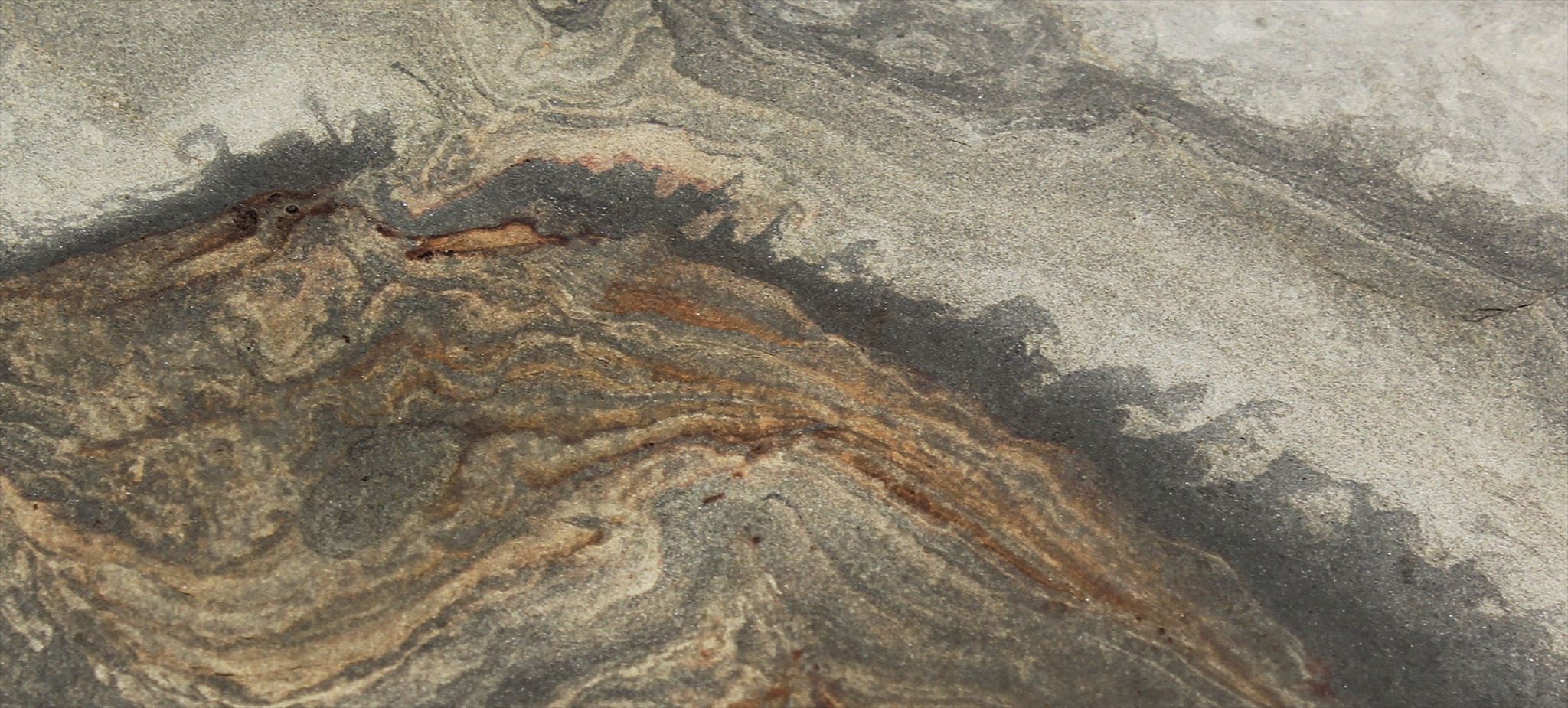
These are projections, which look like waves or flames (hence the name  ). In this case, the weight of the overlying sediment, forces the underlying to push upwards, so that one gets projections into the layer above it.
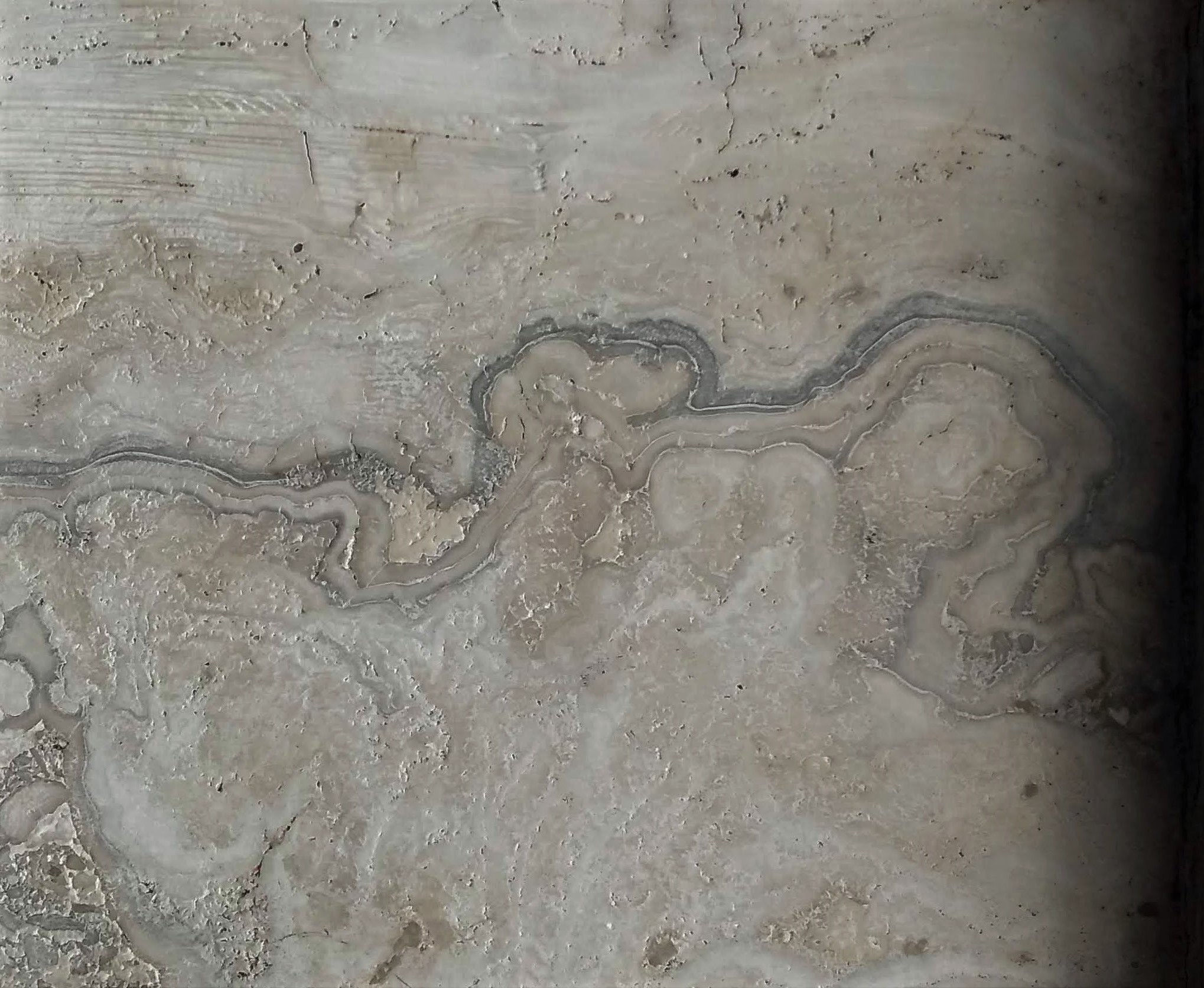
At times, though the flames can present as above.
DISH STRUCTURES
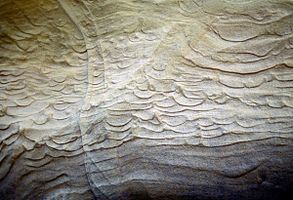
These are dish shaped structures, which are causes by the removal of water (dewatering) from the sediment.
CONVOLUTE BEDDING

Convolute bedding tends to have peaks and troughs in its appearance.
DISTURBED LAMINITIS
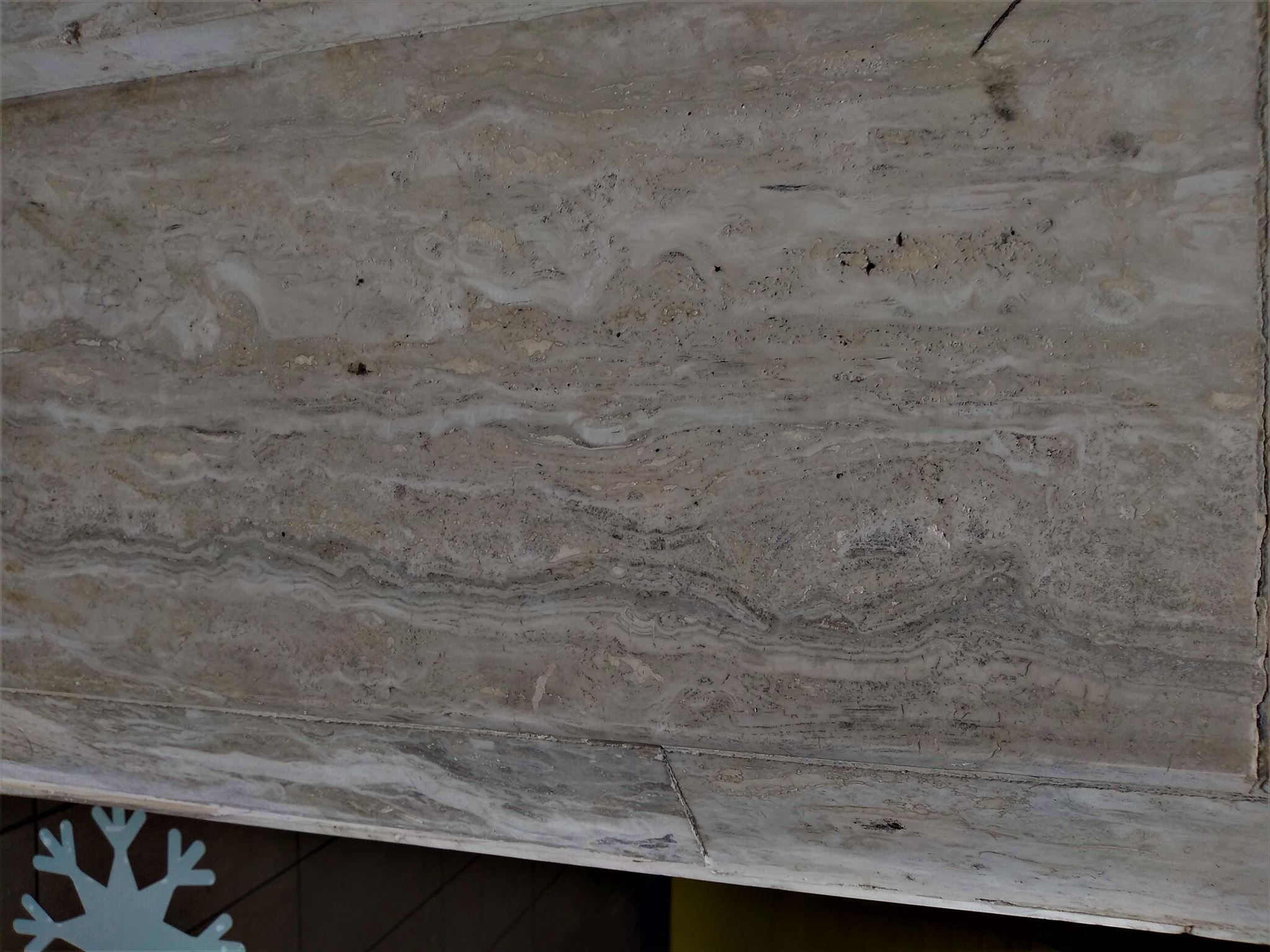
If you look at the lower aspect of this picture, you will see that the sedimentary beds, are disturbed, this is Disturbed Laminitis.
CLASTIC DYKES
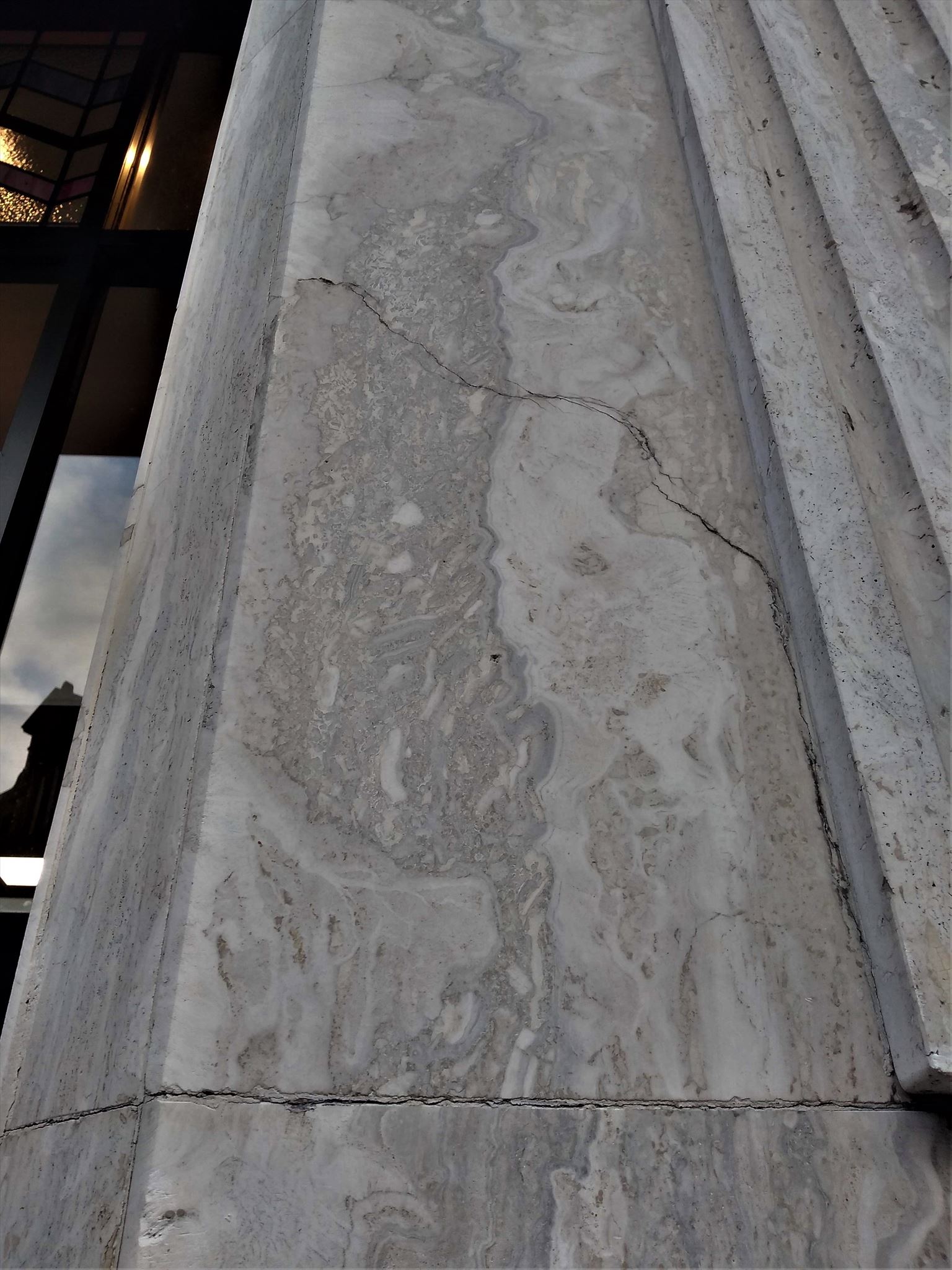
Clastic dykes occur when there is a rapid injection of fluid material into the sediment, these can be seen at times to have sediment and clastic material in them, such as gravel. They can present as vertical bodies cutting through sediment.
This being an EarthCache, in order to log it, I ask that you answer some questions. Please send them to me, and do not include them in your log. You can send them to me by using the message facility or email, both of which can be found by looking at my profile.
1. Please have a look the stone the outside of the building.
(a) Please tell me, what type of soft sediment deformation structures you can find by using the above information.
(b) Please explain the rationale for your answer to (a), giving detail about the sedimentary structure(s) in terms of colour, appearance, width of sedimentary strata of the sedimentation structure(s).
2. Please look around the outside of the building - you may need to look up to the sky, what type of animal can you see?