As you walk around Leeds, there is plenty to see geologically, we are here to look at a type of rock known as serpentine. More specifically, we are here to look at the stone panelling at 88 Vicar Lane, Leeds.
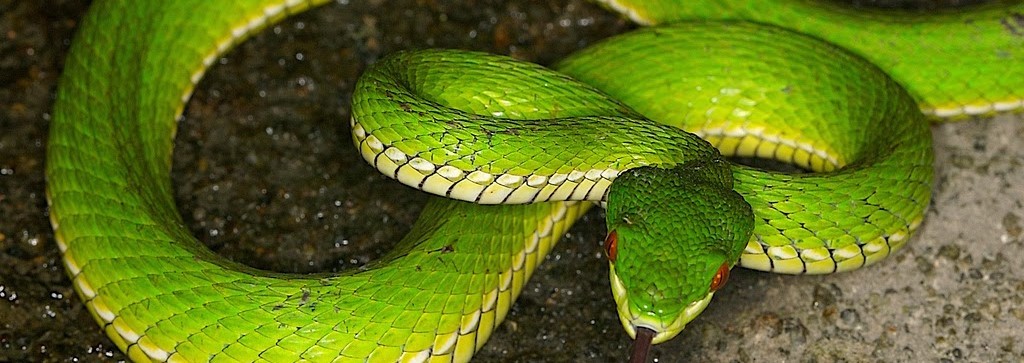
The word, serpentine comes from is appearance, it looks like a serpents skin. It is a rock composed of minerals from the serpentine subgroup. This subgroup consists of Antigorite, Chrysotile and Lizardite, what they all have in common, is that they are silicate rocks, that are rich in iron and magnesium.
These rocks are metamorphic rocks, Metamorphic rock is the transformation of an existing rock type, the protolith, in a process called metamorphism, which means "change in form". The protolith is subjected to heat and pressure causing profound physical and/or chemical change.
The process in the case of serpentine rocks, is known as serpentinization.
Serpentinization
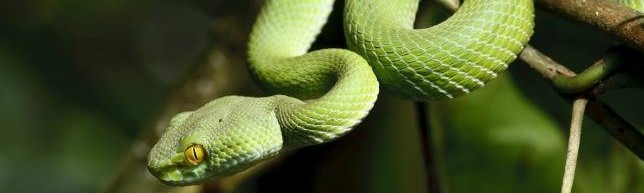
It is a low grade metamorphic process, which involves heat and water. In technical terms this is called a hydration and metamorphic transformation, but in simple terms, water enters the rock, which causes iron and magnesium in the rock to react, and these are transformed into serpentine materials. It happens at the sea floor, near to tectonic plates.
Though serpentization is a different metamorphic process to that in the cases of shale to slate and limestone to marble. In these cases, heat and pressure causes the metamorphic process, though in the case of perodotite metamorphising to serpentine it actually involves a reduction in heat and pressure.
Peridotite is a rock, that as tectonic process move it nearer the surface of the earth, the reduction in heat and pressure, along with the hydration action, cause minerals within it, such as olivine and pyroxene, to destablise and change into serpentine.
The appearance of serpentine can help indicate the minerals which form it.
A brecciated mesh and hourglass textures correspond to the lizardite type.
A vein texture is formed by lizardite plus chrysotile.
Breccia
This is the name given to a type of sedimentary rock, which are formed by the collection toegther of a large number of angular fragments, with the space between these filled by similar fragments or mineral cement. Breccias get formed when host rocks break, and their debris are not transported to any far off place. This means that these rocks form when original rocks break and re-accumulate to make pieces that are angular in texture. A high energy flash flood is an example of the environment which produces breccia, as there is not enough time for sediment to be sorted and then laid down.
This being an EarthCache, in order to log it, I ask that you complete the below tasks. Please send the answers to me, and do not include them in your log. You can send them to me by using the message facility or email, both of which can be found by looking at my profile.
Please use the below picture as an aid to answering your questions
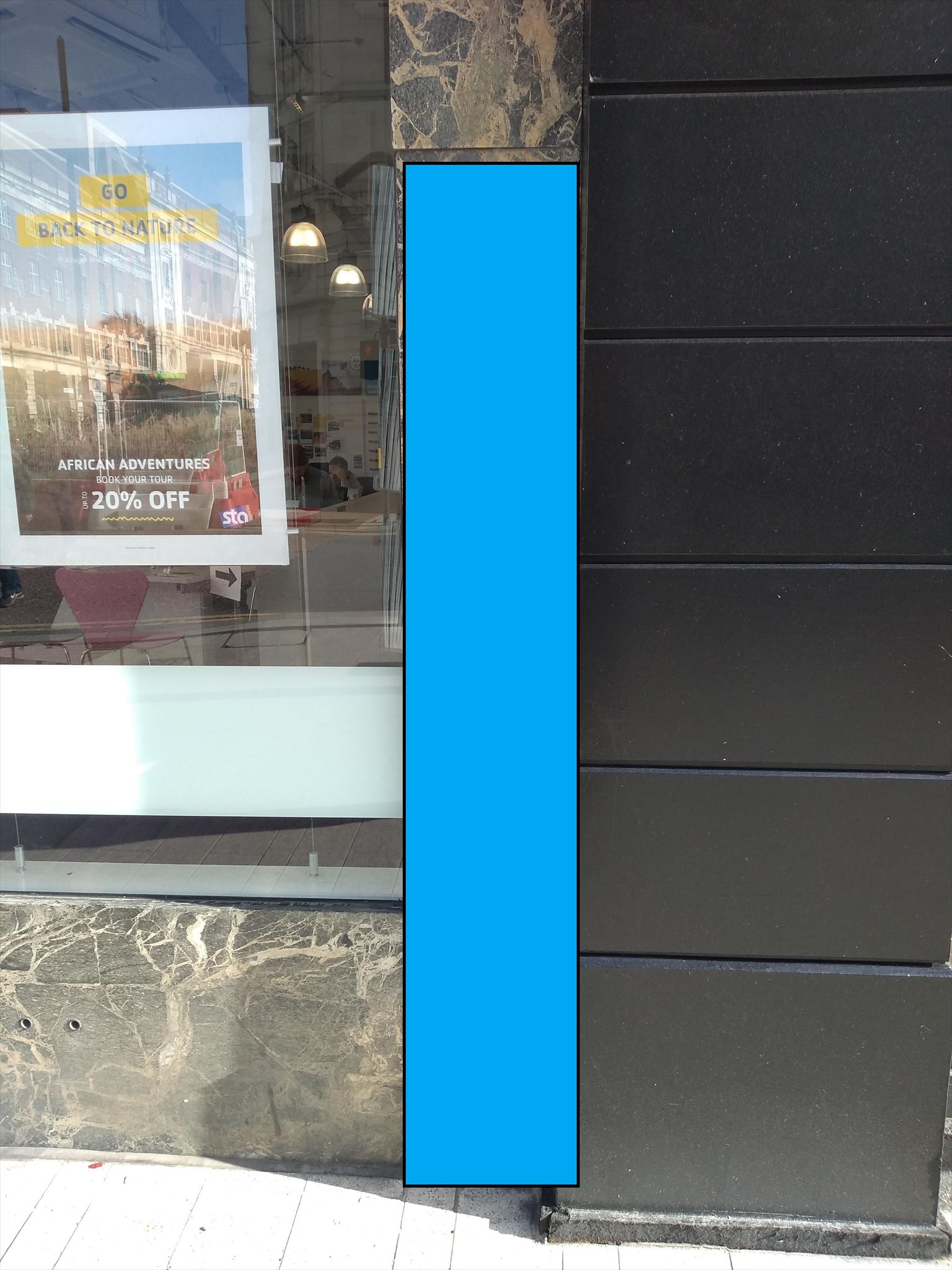
1. Please decribe the serpentine in the blue area, in terms of colours, and shapes.
2. How does the mid part of the panel differ from the upper and bottom aspects in terms of the appearance of the serpentine?
3. Using information about the minerals and appearance, please describe to me, what minerals there are here.