注意事項 (Please note)
①外壁は私有財産です。傷つけたり取ったりしないでください。
②観察地点は自由に立ち入り可能ですが、車等に気をつけてください。
①The outer walls are private Assets. Do not peel off these.
②You can be close to outer walls anytimes. Be careful of the cars passing by.
門司港には「門司のサメ」と呼ばれる建物があります。そしてこの建物の外壁である「黄色い石灰岩」は多くの化石を含んでいる事で有名です。
There are the building called “Shark of Moji” at Moji port area. It’s famous for the building including many fossils on outer walls made by yellow limestone.
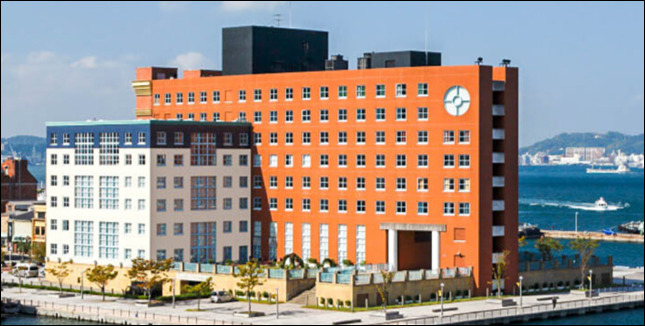
この建物はイタリア建築界の巨匠アルド・ロッシが設計したものでホテルとして使用されています。その独特な形は「サメ」をイメージして造られています。
そして赤・白・青・黒・黄とカラフルな壁で構成された姿は門司港のランドマークの一つとなっています。
This building was designed by Italian architectural master Aldo Rossi and is used as a hotel now. It’s unique shape is made in the image of a “shark”.
There are some colorful colors, red, white, blue, black, and yellow walls make it one of the landmarks of Moji port area.
外壁の一番下部に使用されているのが黄色い石灰岩です。この石灰岩は約3,000~5,000万年前の中近東の地層から産出されたものです。
Yellow limestone is used at the lowest parts of the outer walls.This limestone comes from Middle East strata about 30 to 50 million years ago.
出典:福岡県 地学のガイド P231
Source: Earth Science Guide Fukuoka Prefercture P231 CORONA PUBLISHING CO.,LTD
石灰岩は炭酸石灰質の殻を持つ生物(有孔虫、サンゴなど)が堆積してできたものや海水中の成分が沈殿、凝固したもので、炭酸カルシウムが主成分の岩石です。一般的に軟らかく、加工しやすく、透水性があります。
Limestone is formed by deposits of organisms (foraminifera, corals, etc.) with carbonate-lime shells, or is formed the components in seawater are precipitated and solidified. It is rock whose main component is calcium carbonate. Generally soft, easy to process and water permeable.
出典:地質調査総合センターHP 用語の解説
Source: Geological Survey of Japan HP
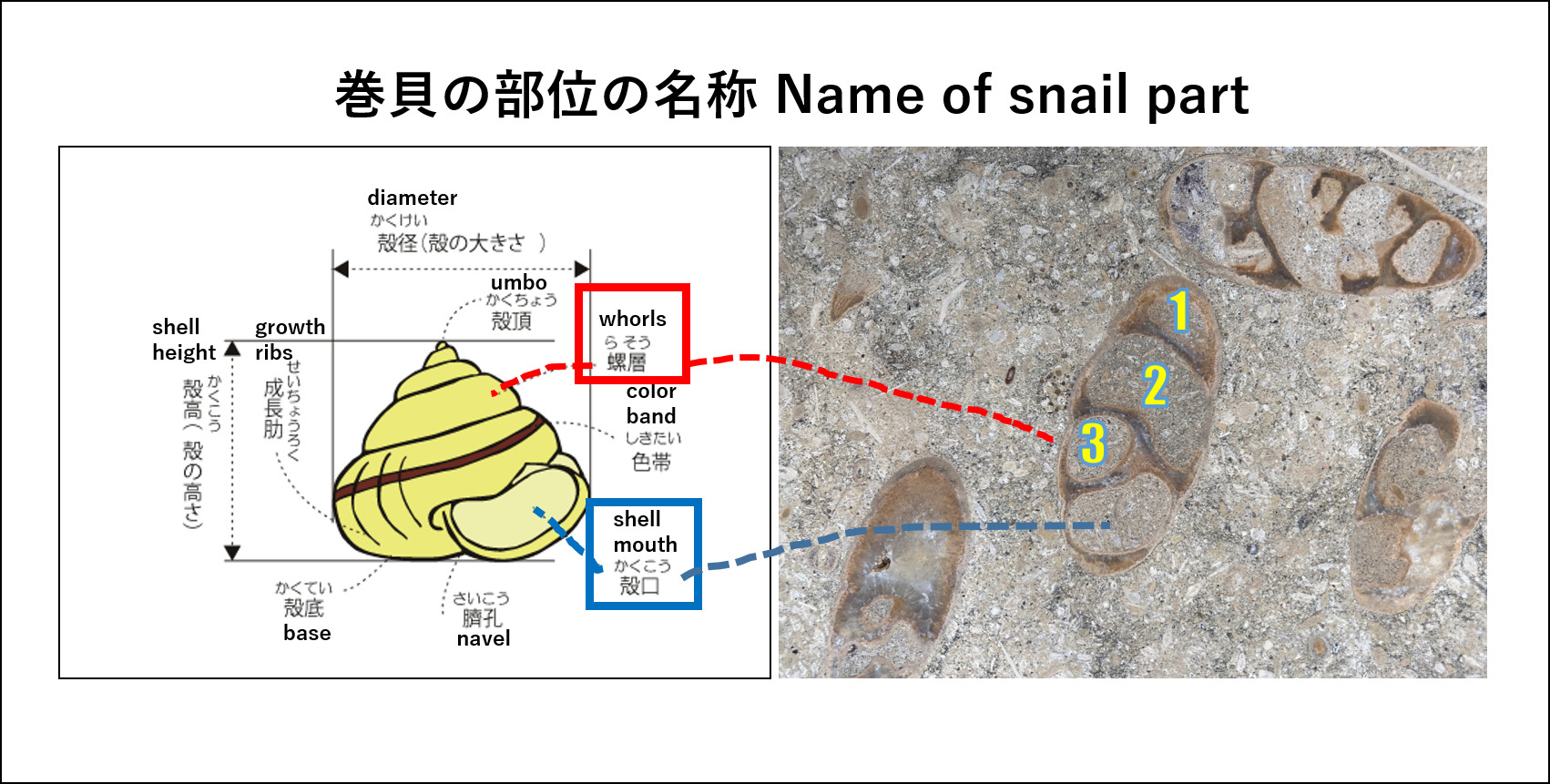
黄色い石灰岩に含まれている化石が「巻貝」であることは「螺層(らそう)」があることから分かります。下の写真の巻貝は螺層が3つあります。(一つは殻口です。)
The fact that the fossil contained in the yellow limestone is "sanil" can be identified from the presence of "whorls". This snail pictured below has three whorls.(other one is shell mouth)
1. 以下のTASKを実行してください。
2.キャッシュ名と解答をキャッシュオーナー(hikohohodemi)にメールしてください。
3. 答えはログに記入しないでください。
4.メールを送信したらファウンドログを上げてください。私の承認を待つ必要はありません。
1. Please carry out following TASK.
2. Please send e-mail this cache name and the answer to following questions to cache owner.(hikohohodemi)
3. Do not include this answer in your on-line log.
4. You do not need to wait for confirmation from me before posting online.
TASK 1
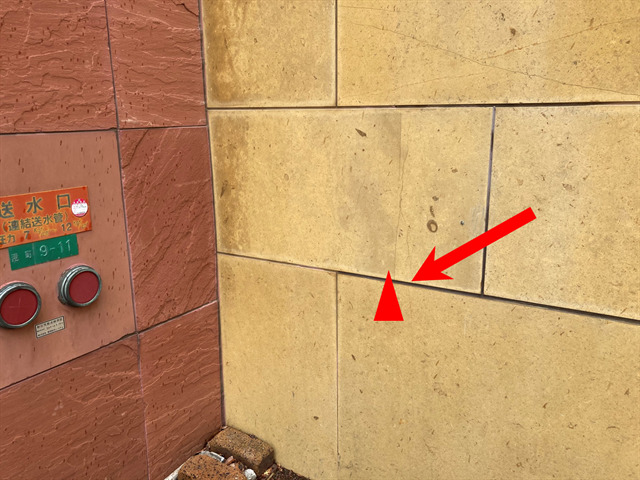
GZ(下の写真参照)で巻貝の化石を観察してください。
この化石には螺層がいくつありますか?
Please observe the fossil of the snail in the GZ (see the photo below).
How many whorls does this fossil have?
TASK 2
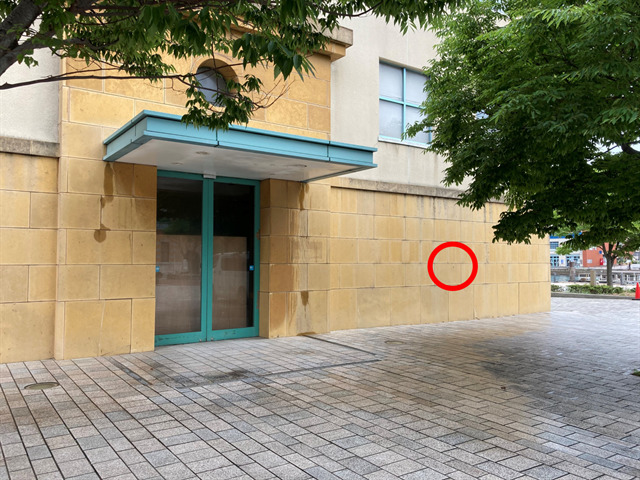
GZの近く(下の写真参照)で大きな巻貝の化石を観察してください。
この化石の殻径(殻の大きさ)はあなたの拳(こぶし)何コ分の大きさですか?
Please observe the large snail fossil near the GZ (see the red circle in the photo below).
How many fists are the diameter of this fossil shell by your hand? Your 2 fists? 3 fists? or ....?
TASK 3
観察地点の外壁の一番下部に使用されている石灰岩の色を観察してください。
全般的にGZ周辺と色調が異なります。何色ですか?
元は同じ黄色いだったのに現在は異なっています。何故、色が変化したのでしょうか?あなたの考えを述べてください。
Please observe the color of the lowest parts of the outer walls limestone at the observation point.
The color tone is generally different from that of the GZ area. What color is it?
Originally it was the same yellow color but now it is different. Why did the color change? Please explain your thoughts.
OPTION
あなたが「門司のサメの目」と思うものとあなた、またはあなたのGPS機器の写真を撮り、ログにアップロードしてください。
Please upload the photo (you or your GPSr with Shark's eye of Moji you think) to the log.