Handwerksberufe in Würselen #1
Diese Serie von 10 Caches plus Bonus sind im Rahmen der Projektwoche 2018 des Gymnasiums Würselen entstanden. Jeder der Caches thematisiert einen traditionellen Handwerksberuf. Hierfür haben sich die Schüler im Internet, bei Berufsschulen und Handwerkskammer, sowie bei den Betrieben vor Ort über die betreffenden Berufe informiert.
Dem Thema unseres Projektes folgend versuchen wir Denkmuster aufzubrechen und neue Wege in Sachen Berufswahl zu gehen oder aufzuzeigen. Das Handwerk hat zwar „goldenen Boden“, jedoch finden sich immer weniger junge Leute, die bereit sind, dieses „Gold“ aufzuheben. Viele angehende Abiturienten befinden sich in der Denkschiene, dass auf das Abitur zwangsläufig das Studium folgt. Jeder will Heizungen konstruieren, aber niemand will sie installieren oder warten.
Einer Zeitungsnotiz aus dem Juli 2018 zufolge gibt es in der Städteregion mehr freie Lehrstellen als Lehrlinge, während in anderen europäischen Ländern die Jugendarbeitslosigkeit hoch ist. Unser Ziel ist es, mit diesen 10 Caches über verschiedene Handwerksberufe zu informieren, aber auch zu unterhalten. In jeder Dose wird sich eine Bonuszahl befinden, die zu einem Bonuscache führt.
Nicht den Durchblick verlieren: Der Augenoptiker
Immer mehr Menschen benötigen Sehhilfen und da kommt der Optiker ins Spiel.
Warum wird man Augenoptiker? Mit dieser Frage habe ich mich befasst.
Man beantwortete mir die Frage wie folgt: ,, Ich möchte nicht zu lange studieren und mich mit Theorien befassen, sondern das Gelernte direkt praktisch umsetzten. Außerdem macht es mir Spaß, Kunden zu beraten.
Welche anderen Aufgaben hat ein Augenoptiker?
Kunden beraten… Augenoptiker beraten vor allem bei gesundheitlichen Fragen rund ums Auge. Außerdem werden die modischen Aspekte mit in Betracht gezogen. Auch die Farbe der Brille muss zum Haut- und Haartypen der Kunden passen und das Gestell zur Kopf- und Nasenform.
Kunden informieren: Gläser aus Glas oder Kunststoff? Welcher Grad der Entspiegelung? Dabei hilft der Augenoptiker. Ist die Kundin zum Beispiel Sportlerin oder arbeitet sie am Computer? Handelt es sich um eine Lesebrille? All das spielt eine wichtige Rolle. Auch über die Vor- und Nachteile von Kontaktlinsen klären Augenoptiker auf.
Daten aufnehmen: Hat der Kunde ein Attest? Muss noch ein Sehtest gemacht werden. An speziellen Maschinen testen Augenoptiker das Sehvermögen und ermitteln dadurch die Weit- oder Kurzsichtigkeit mit dem genauen Dioptriewert. Auch der Augenabstand wird gemessen, um eine optimale Sicht zu gewährleisten.
Brille fertigen: Nachdem der Blickmittelpunkt der Augen erfasst wurde, geht der Auftrag in die Fertigung. Glasrohlinge mit den genauen Stärken der Kunden werden von Augenoptikern mithilfe von High-Tech-Präzisionsgeräten zunächst geschliffen und anschließend per Hand in der Fassung fixiert.
Brille anpassen: Damit es hinter dem Ohr nicht drückt oder die Brille zu locker sitzt, passen die Optiker das fertige Produkt ganz genau an. Mit einem speziellen Föhn wird das Gestell erwärmt, damit es sich vorsichtig biegen lässt. Wurden vom Kunden Kontaktlinsen bestellt, hilft der Augenoptiker in der Regel dabei, das Einsetzen und Herausnehmen zu üben.
Kunden betreuen: Auch nach Brillenkauf erhalten die Kunden weiterhin Unterstützung. Vom Reinigen der Brillengläser bis zur Reklamation. Der Augenoptiker kümmert sich um alles rund ums Auge.
Solltest du Augenoptiker werden?
Du solltest Augenoptiker/in werden, wenn …
- dich die biologischen Zusammenhänge des Auges faszinieren.
- die Brillenmode dich mit ihren immer neuen Trends interessiert.
- du geduldig und sorgfältig mit Kundenaufträgen umgehst.
Du solltest auf keinen Fall Augenoptiker/in werden, wenn …
- dir die Nähe zu anderen Menschen unangenehm ist.
- du physikalische Zusammenhänge nicht verstehst.
- dir der Umgang mit technischen Geräten schwerfällt.
Fun Facts
Das Auge und Brillen
- In Deutschland haben 40,1 Millionen der Menschen ab 16 Jahren eine Brille, das sind zwei Drittel der Bevölkerung
- Recycelte Brillen? Die gibt es tatsächlich. Auf der Brillenmesse Silmo in Paris konnten die Besucher Brillen begutachten, die aus allerhand Alltagsgegenstände wie beispielsweise Skateboards oder auch Jeans hergestellt wurden.
- Italienische Mönche waren die ersten, die bereits im 13. Jahrhundert halbförmig geschliffene Linsen anfertigten. Als Material dafür diente ihnen der Bergkristall Beryll, der geschliffen wie eine Art Vergrößerungsglas wirkte. Damit war der Vorreiter der Brillen geschaffen.
- Das menschliche Auge wiegt in etwa nur 7,5 Gramm und hat den Durchmesser einer 50 Cent Münze.
- Sechs Muskeln pro Auge sorgen dafür, dass wir das Auge drehen und bewegen können. Ein Muskel davon ist sogar der aktivste Muskel im Körper.
- Ca. 5 Prozent der Deutschen leiden unter einer Rot-Grün-Blindheit. Dabei erscheinen den Betroffenen die Farben Rot und Grün als Grautöne. Von dieser Beeinträchtigung sind zehnmal mehr Männer betroffen als Frauen.
- An einem einzigen Tag blinzelt ein Mensch durchschnittlich 10000 Mal.
Verrückte Tierwelt
- Die Augen eines Tintenfisches sind etwa so groß, wie eine Wassermelone. Die Durchschnittsgröße beträgt ca. 25 cm. Damit hat der Tintenfisch die größten Augen der Tierwelt. Nun stelle man sich vor, dass Fische ihre Augen generell nicht schließen können.
- Die Augen eines Straußes sind größer als sein Gehirn.
- Schmetterlinge sind in der Lage, ultraviolettes Licht zu sehen.
- Mit dem Dritten sieht man besser: Eine Eidechsenart aus Neuseeland besitzt zu ihren beiden Augen noch ein drittes Auge! Das sogenannte Scheitelauge ist ein nach oben gerichtetes Lichtsinnesorgan mitten auf dem Schädel der Echse, welches vor allem zur Wahrnehmung von Helligkeitsunterschieden dient.
Kurioses über Sonnenbrillen
- Bereits im alten Rom ließ sich Kaiser Nero eine Sonnenbrille Deluxe anfertigen. Zum Schutz vor dem Sonnenlicht lies er sich grünen Smaragd schleifen und schaute sich durch diesen die Gladiatorenkämpfe an. Das konnte sich nicht jeder leisten.
- Auch die Inuits wurden bereits sehr früh erfinderisch: Gegen das vom Schnee stark reflektierende Sonnenlicht bastelten sie sich Schneebrillen. Sie schnitzten Schlitze in die Knochen von Seehunden und banden sich diese mit Lederriemen vor die Augen. Ganz schön clever.
- Sonnenbrillen galten lange Zeit als lästig und waren keinesfalls Modeaccessoire. Im zweiten Weltkrieg allerdings trugen die amerikanischen Piloten ein besonders cooles Modell, welches bis heute eines der beliebtesten ist. Die RayBan Aviator war somit die erste Sonnenbrille, die zum Fashion Item wurde.
- Nicht nur Menschen sollten ihre Augen vor der Sonne schützen, auch Hunde brauchen in gewissen Situationen eine Sonnenschutz auf der Schnauze. Lawinenhunde beispielsweise, laufen oft stundenlang durch den stark reflektierenden Schnee und tragen deshalb spezielle Hundesonnenbrillen.
Die anderen Caches findet ihr hier:
English version: Traditional arts and crafts in Würselen #1 The Optician
This series of caches (including a bonus) were created for an ERASMUS# Project 2018-2020 by a number of pupils of Gymnasium Würselen. During the time period similar caches will be created in Metkovic (Croatia), Florence (Italy), Bourges (France) and Gothenborg (Sweden). Each of our caches has a specific traditional craft as a theme. For the background information, pupils did research on the internet, visited vocational training schools in Aachen and the chamber of crafts, plus enterprises and businesses in Würselen to inform themselves about these crafts.
The aim of our project is to break down barriers and to show new ways to find the right profession for younger people. As the old saying in Germany goes, handcraft has a golden shine, but less and less young people are interested in starting job training in a professional craft. Many pupils who are about to pass their final exams and to leave school consider studying as a logical continuation after finishing school. Everybody wants to design a heating system, but nobody wants to install or service them.
A newspaper article from July 2018 claims that the Aachen region has more openings for job training than apprentices, while other European countries suffer from a high number of unemployed young people.
With these 10 Caches about different crafts we aim to inform but also to entertain. Each container will include a bonus number which leads to the bonus cache.
Stay sharp: The optician
More and more people need glasses and this is where the optician can help.
I asked myself: “Why does anybody choose to become an optician?”
In an interview, that question was answered by an optician like this: “I didn’t want to study for a long time or deal with theories, but wanted to put newly learned knowledge directly into practice. Besides, it is fun to interact with customers and help them.”
Optician are…
…advising customers: Opticians advise customers concering all health questions which affect the eyes. Besides that they give their opinion concering style and fashion, color of the glasses which should fit to the hair and skin type of the customer and to the shape and size of the head and nose.
…informing customers: Glass or plastic? What degree of antireflection coating is best? Does the customer need the glasses for sports or for computer work? Are these reading glasses? All these questions are relevant to decide on the right kind of glasses and he also informs about the advantages and disadvantages of contact lenses.
… processing data: Does the customer have a prescription? Does she need an eye exam? With a number of specialized machines, the optician test the eyes and based on these measurements he calculates the degree of long- or short-sightedness or the exact diopter. Finally, the eye base is measured to guarantee optical sight.
… manufacturing glasses: After finishing these preliminary measurements, the order goes to the workshop where the glasses are manufactured. Glass or plastic blanks are cut and grinded based on the measurement, using high-tech precision devices. After being cut, smoothed and polished, the glasses are fixed into the glasses frames by hand.
… fitting glasses: To make sure the strap does not hurt behind the ears or that the glasses are too loose, the optician fits the finished product to the customer’s head individually. Straps are warmed up with special blow-dryers to make them flexible again, until they fit perfectly. If the customer chose contact lenses, then the optician trains him/her to put them in or take them out.
… providing service: After the glasses or contact lenses are sold and paid, the optician provides services, from cleaning the glasses, tightening screws and repairing if the glasses are faulty. The optician deals with all aspects concerning the human eye of his customers.
Should you pick the profession of optician?
You should consider to become an optician, if you…
- Are fascinated by the biological aspects of the human eye.
- Are interested in the latest trends in eye wear fashion.
- Are able to deal patiently and carefully with customer’s orders.
You should not consider to become an optician, if you…
- Feel uncomfortable working close to other people.
- Do not understand the physical principles of optics.
- Do have problems handling technical devices.
Fun Facts
Eyes and glasses
- In Germany, 40,1 million people (2/3 of the population) over the age of 16 wear glasses.
- Recycled glasses? Yes, they do exist! On the glasses fair in Paris, visitors were able to take a closer look at glasses made from different other products such as old skateboards or jeans.
- Back in the 13th century, Italian monks were the first people to use lenses shaped like crescent moons. The material for the lenses was the crystal Beryll which was smoothed into magnifying lenses. These were the predecessors of our modern glasses.
- The human eye weights roughly 7.5 gram and has a diameter similar to a 50-Cent coin.
- Six muscles per eye make sure that we can move and turn the eye balls. One of these is even the most active muscle of the human body.
- Roughly 5% of the German population are color blind. They see the colors red and green only as shades of grey. This handicap affects ten times more males than females.
- On average human beings blink 10.000 times per day.
Crazy animal kingdom
- The eyes of an octopus are almost as large as watermelons. The average size is 25 cm which is the largest in the animal kingdom. Just imagine: fish generally cannot close their eyes.
- In ostriches the size of their eyes is larger than their brain.
- Butterflies can see ultraviolet light.
- You see more with the third one: a type of lizard on New Zealand has an additional third eye. The so-called crest eye points to the top and is a photosensitive organ on the top of the skull. It helps the lizard to distinguish differences in brightness.
Curiosities concerning sun glasses
- Back in Roman times, Emperor Nero ordered sun glasses de luxe. To protect his eyes from the sun, he ordered glasses made of emeralds to view gladiator fights in the arena. Those where too expensive for most Romans.
- The Inuits were resourceful to protect their eyes from the snow-refelcted sunlight by fashioning glasses from seal bones. They cut slits into these bones and fixed them with straps before their eyes. Clever idea!
- For a long time, sun glasses were seen as a nuisance and were not considered a fashion item During the second world war, American pilots wore especially cool types which remained popular ever since. The RayBn Aviator was the first sun glasses that became an fashion item.
- Not only human beings have to protect their eyes against the sunlight, even dogs do sometimes need sun protection. Avalanche dogs have to look at the sun-reflecting snow for long periods of time and because of that have to wear special sunglasses for dogs.
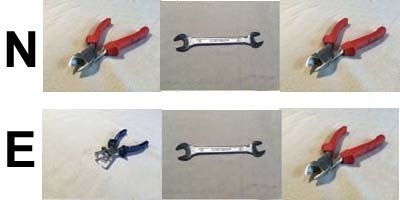
N 50° 48.???
E 006° 07.???