Let op: puzzel en coördinaat aangepast op 5 november, oplossingen van voor 5/11/2020 geven geen groene checker.
CACHELOCATIE N 52° 1.ABC' E 5° 5.DEF' Printversie van de puzzels beschikbaar in de gallery
Vlinders
Veel mensen vinden vlinders mooie dieren. Ze kunnen prachtige kleuren hebben. Bij deze puzzel krijgt je een paar vlinderweetjes mee, dit zijn hints om de puzzel op te lossen, vergeet het thema niet als je de cache gaat zoeken.
Weetje A:
De delen van een vlinderpoot en voet heten geledingen. De voet is opgebouwd uit 5 geledingen, met onderaan de pretarsus (zo heet het uiteinde). De pretarsus draagt haakjes en een kussentje en wordt door de vlinder gebruikt om zich vast te houden. Aan de pretarsus zijn ook enkele belangrijke zintuigen gelegen.

Weetje B:
Vlinders verschillen sterk in grootte; de kleinste soorten hebben een vleugelspanwijdte van een paar millimeter en de grootste soorten kunnen een spanwijdte van meer dan 25 centimeter bereiken.
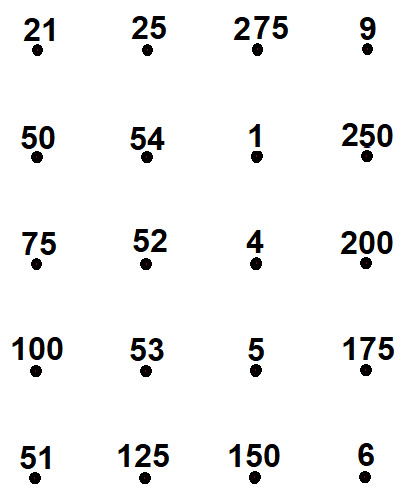
Weetje C:
Bij vlinders kan het popstadium 8 dagen duren maar ook veel langer.
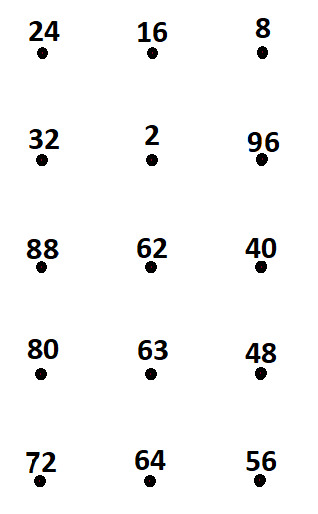
Weetje D:
De mannetjes van sommige soorten zijn in staat de geur van een vrouwtje op kilometers afstand op te sporen met de antennes. De recordhouder is de nachtpauwoog, waarvan bekend is dat een vrouwtje op een afstand van 11 kilometer kan worden waargenomen.

Weetje E:
Het borststuk van vrijwel alle vlinders is behaard; een aantal soorten heeft een lichte, korte beharing en andere soorten hebben juist een dichte, lange beharing. Net als alle insecten hebben vlinders 6 poten die naar onder zijn gericht zodat het lichaam wordt opgeheven.
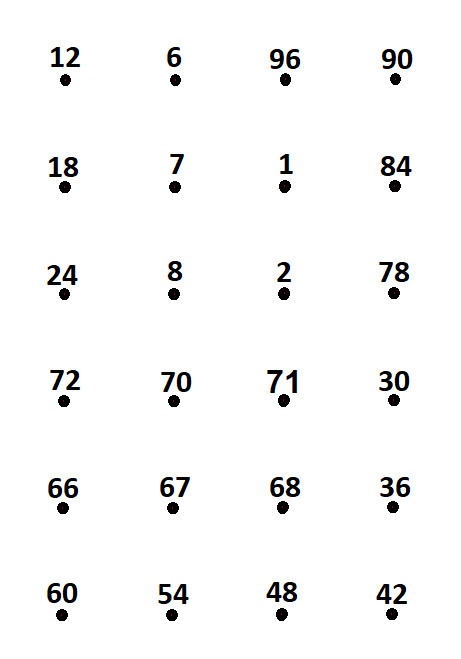
Weetje F:
Het volwassen insect of imago, de vlinder, heeft bij veel soorten een levensduur die slechts een fractie is van het larvale stadium. De imago verandert uiterlijk niet meer, dit in tegenstelling tot de rups die gedurende zijn groei ongeveer 20 keer langer en duizenden keren zwaarder wordt. De rups vervelt bovendien, de verschillende stadia zien er vaak anders uit. Bij de laatste vervelling wordt de huid verhard, en wordt de pop of chrysalis gevormd waarin de gedaanteverwisseling tot vlinder plaatsvindt. Na enige tijd in de pop te hebben gezeten - de duur verschilt sterk per soort - kruipt de volwassen vlinder uit de pop, laat zijn vleugels oppompen en vliegt weg.

CACHELOCATION N 52° 1.ABC' E 5° 5.DEF' Printversion of the puzzles available in the gallery
Butterflies
Many people think butterflies are beautiful animals. They can have beautiful colors. With this puzzle you will get a few butterfly facts, these are hints to solve the puzzle, do not forget the theme when you search for the cache.
Fact A:
The parts of a butterfly leg and foot are called articulations. The foot is made up of 5 sections, with the pretarsus at the bottom (that's the name of the end). The pretarsus carries hooks and a cushion and is used by the butterfly to hold on. Some important senses are also located on the pretarsus.
Fact B:
Butterflies differ greatly in size; the smallest species have a wing span of a few millimeters and the largest species can reach a wingspan of more than 25 centimeters.
Fact C:
In butterflies, the pupal stage can last 8 days, but also much longer.
Fact D:
The males of some species are able to detect the scent of a female from miles away with the antennae. The record holder is the night peacock, which is known to be able to observe a female from a distance of 11 kilometers.
Fact E:
The thorax of almost all butterflies is hairy; a number of species have a light, short coat and other species have a dense, long coat. Like all insects, butterflies have 6 legs that point downwards so that the body is lifted.
Fact F:
The adult insect or image, the butterfly, has a lifespan in many species that is only a fraction of the larval stage. The appearance no longer changes in appearance, in contrast to the caterpillar which grows about 20 times longer and thousands of times heavier during its growth. Moreover, the caterpillar sheds, the different stages often look different. At the last molt the skin is hardened and the pupa or chrysalis is formed in which the transformation into a butterfly takes place. After some time in the pupa - the duration varies greatly per species - the adult butterfly crawls out of the pupa, inflates its wings and flies away.