Cache by

Lord Yoruno
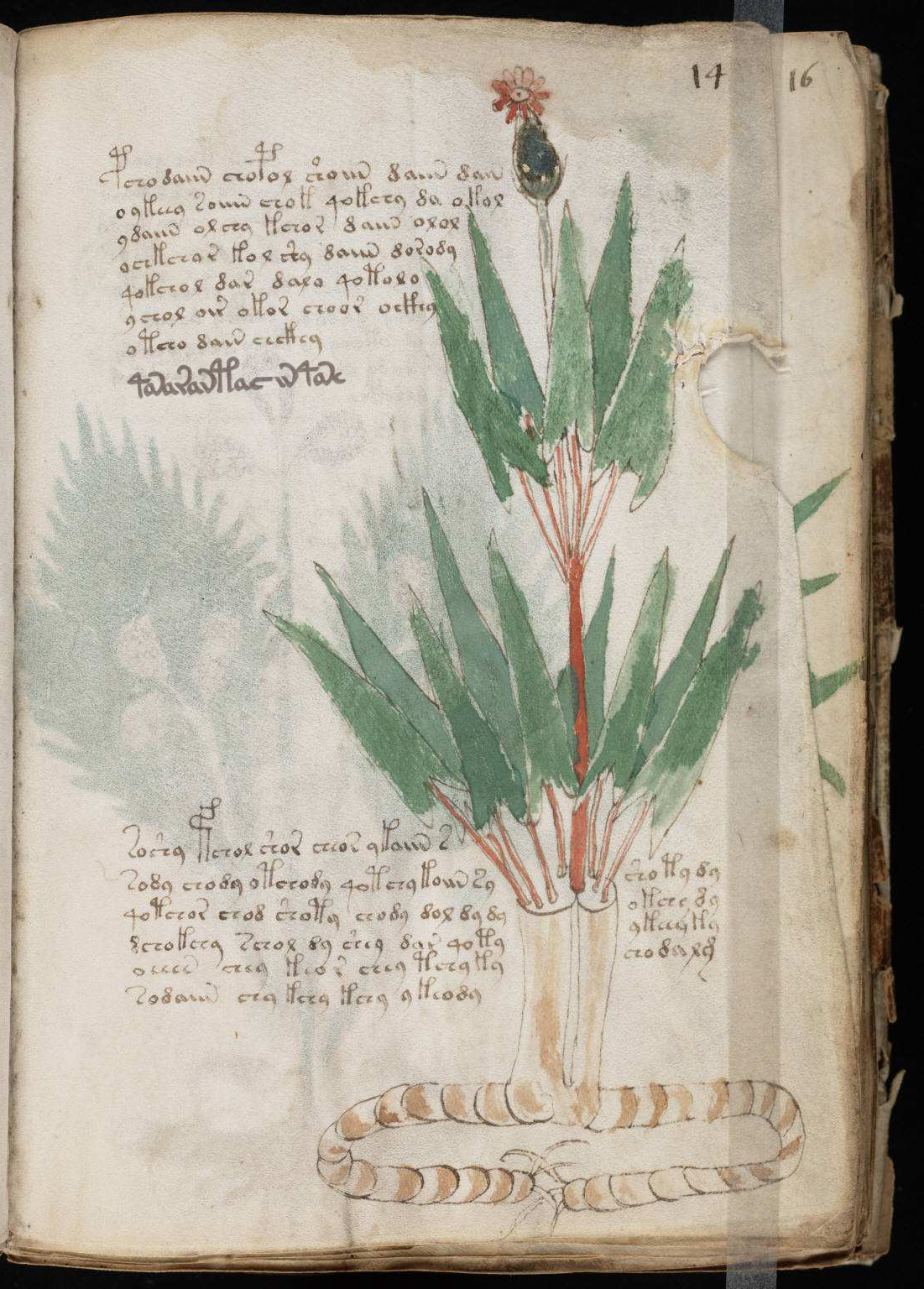
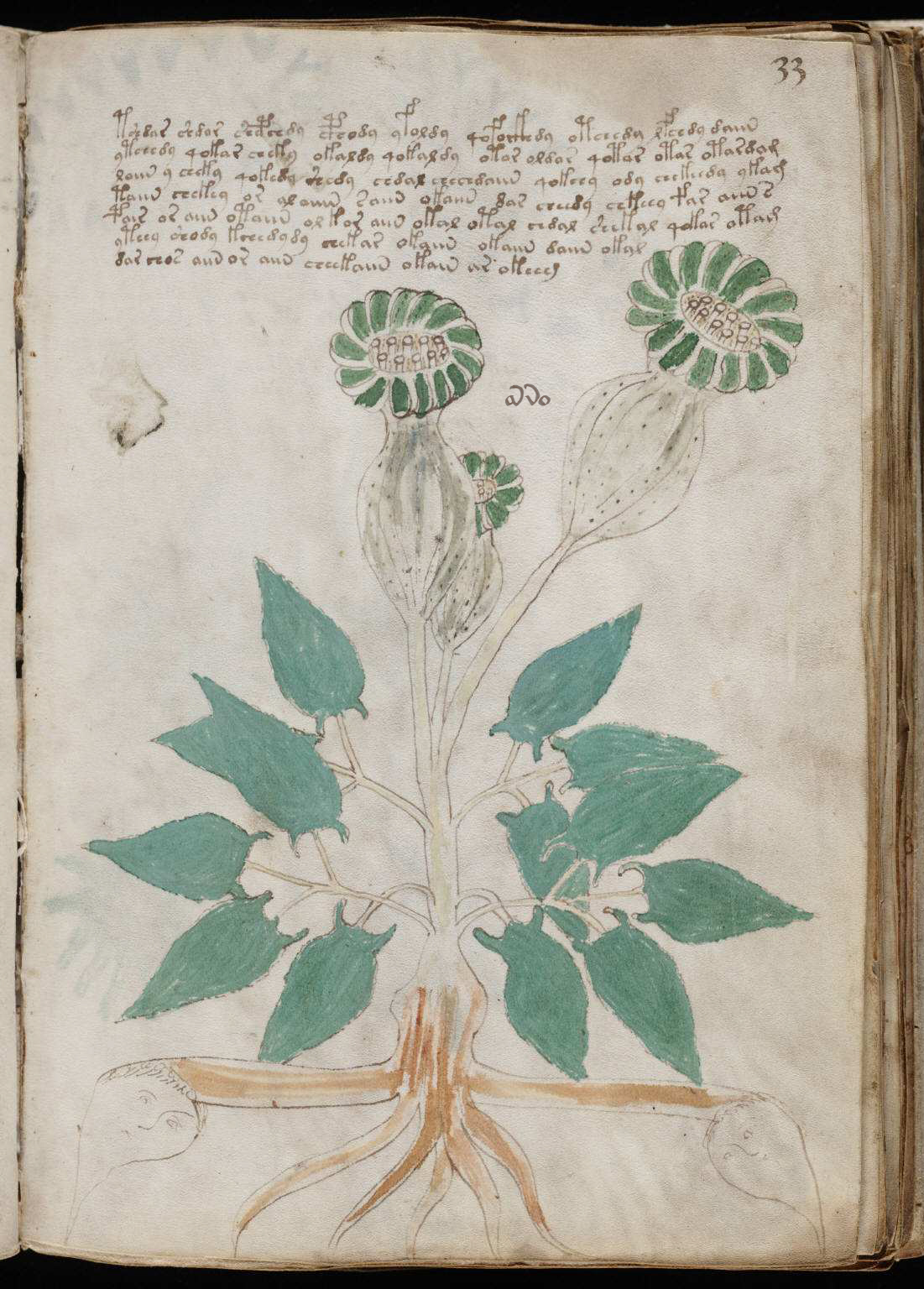
Il manoscritto Voynich è un libro misterioso composto da circa 240 pagine di testo scritto a mano e illustrazioni disegnate rozzamente che raffigurano piante, diagrammi astrologici e donne nude. Il testo è scritto in una lingua sconosciuta e sebbene il set di caratteri sia stato mappato nel nostro alfabeto, la traduzione risultante ha, fino ad ora, sfidato tutti i tentativi di decodifica.
Non è esattamente certo quanti anni abbia il manoscritto, ma sembra che risalga intorno alla fine del XV secolo. Prende il nome da Wilfrid Voynich, che lo acquistò nel 1912 dalla biblioteca di Villa Mondragone, un collegio gesuita di Frascati, in Italia. Dopo diversi tentativi infruttuosi di vendere il manoscritto, Voynich lo donò alla Yale University nel 1969.
Fin dalla sua esistenza documentata, il manoscritto Voynich è stato intensamente studiato da molti crittografi, inclusi alcuni tra i più famosi decodificatori americani e britannici della seconda guerra mondiale, ma nessuno è riuscito a decifrare il testo.
NON FARE AFFIDAMENTO ALL'INCHIOSTRO INVISIBILE PER TROVARE LA SOLUZIONE - PER FAVORE CONTINUA A CERCARE!
Il “linguaggio” del manoscritto Voynich è diverso dalle altre lingue (sia moderne che antiche) in diversi modi: non ci sono praticamente parole composte da più di dieci caratteri, ma ci sono anche poche parole di una o due lettere. Anche la distribuzione delle lettere all'interno delle parole è piuttosto peculiare: alcuni caratteri compaiono solo all'inizio di una parola, altri solo alla fine e alcuni sempre nella sezione centrale. Il testo sembra essere più ripetitivo della maggior parte delle lingue conosciute; ci sono casi in cui la stessa parola comune appare fino a tre volte di seguito. Anche le parole che differiscono solo per una lettera si ripetono con frequenza insolita.
Il testo è composto da oltre 170.000 caratteri discreti, solitamente (ma non sempre) separati l'uno dall'altro da stretti spazi. Lacune più ampie dividono il testo in circa 35.000 “parole” di lunghezza variabile.
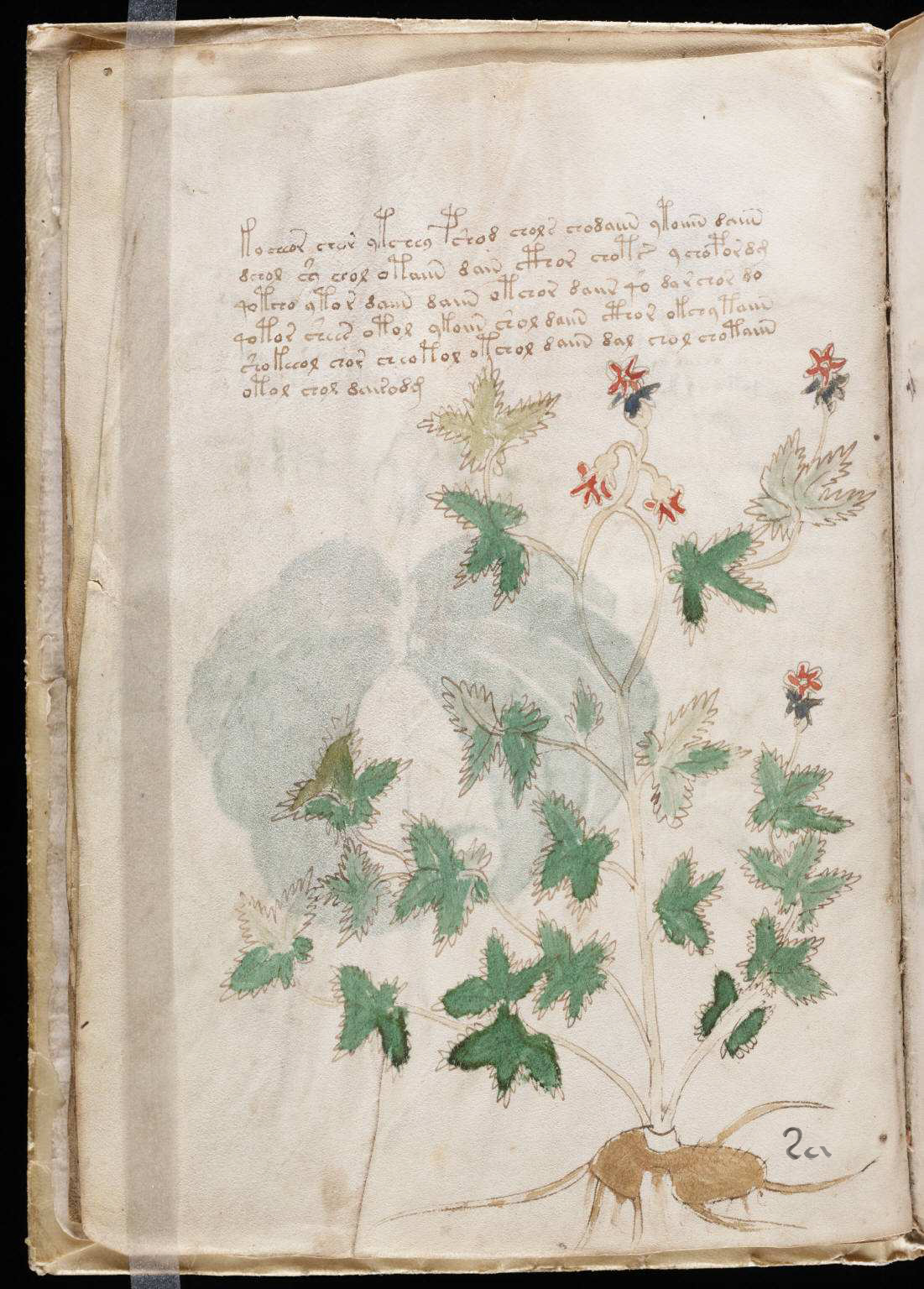
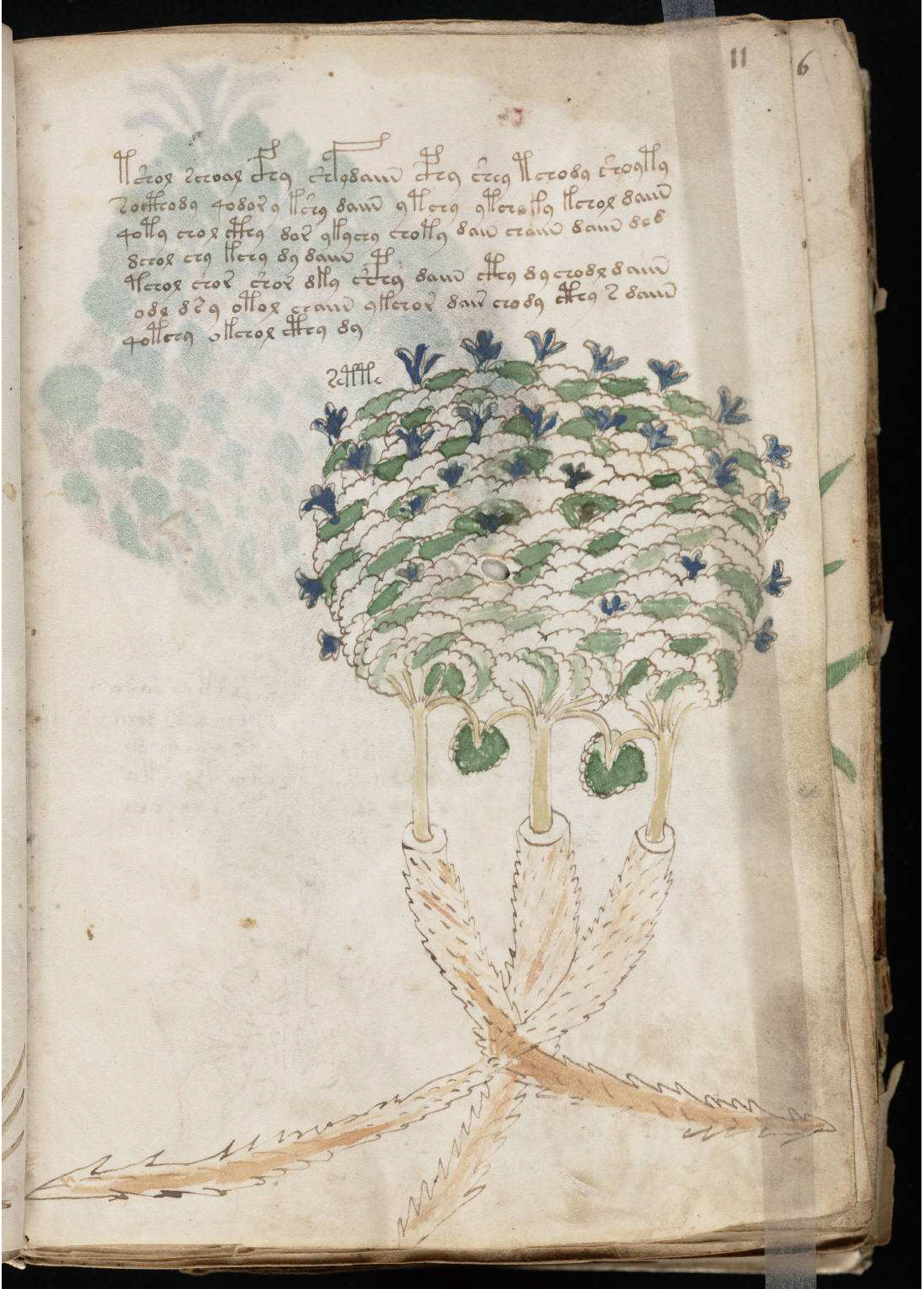
The Voynich manuscript is a mysterious book consisting of approximately 240 pages of hand-written text and crudely drawn illustrations that depict plants, astrological diagrams, and naked women. The text is written in an unknown language and although the character set has been mapped to our alphabet, (EVA hand 1), the resulting translation has, up until now, defied all attempts at decoding.
It is not certain exactly how old the manuscript is, but it appears to date to around the late fifteenth century. It is named after Wilfrid Voynich, who acquired it in 1912 from the library of Villa Mondragone, a Jesuit college in Frascati, Italy. After several unsuccessful attempts to sell the manuscript, Voynich donated it to Yale University in 1969
Since its recorded existence, the Voynich manuscript has been intensively studied by many cryptographers, including some top American and British codebreakers of World War II fame, but all of them failed to decrypt the text.
DON'T COUNT ON INVISIBLE INK TO FIND THE SOLUTION - PLEASE KEEP LOOKING!
The Voynich manuscript’s “language” is different from other languages (both modern and ancient) in several ways: There are practically no words comprising more than ten characters, yet there are also few one- or two-letter words. The distribution of letters within words is also rather peculiar: some characters only occur at the beginning of a word, some only at the end, and some always in the middle section. The text seems to be more repetitive than most known languages; there are instances where the same common word appears up to three times in a row. Words that differ only by one letter also repeat with unusual frequency.
The text consists of over 170,000 discrete characters, usually (but not always)separated from each other by narrow gaps. Wider gaps divide the text into about 35,000 “words” of varying length.