[SVE]
Detta är en liten myst-serie för dom som älskar att pussla. Varje myst berättar lite om en känd Ålänning.
ERIK JORPES
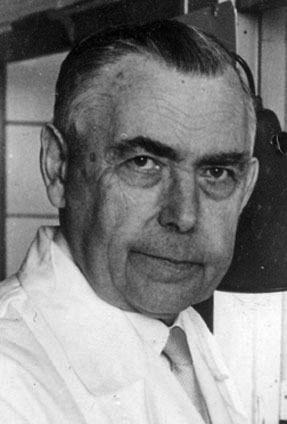
Erik Jorpes, född 1894 och död 1973 i Stockholm, var läkare och biokemist.
Jorpes föddes till en fattig fiskarfamilj på ön Kökar. På grund av sina stora talanger i skolan skickades han till Åbo för vidare studier. Senare fortsatte han med medicinska studier vid Helsingfors universitet där han tog examen 1918 som läkare. Under finländska inbördeskriget deporterades han till Sovjetryssland men lyckades så småningom fly till Sverige.
I Stockholm fortsatte han sina studier i medicin vid Karolinska Institutet, där han senare blev professor vid institutionen för kemi och farmakologi.
Hans största prestation är att identifiera den kemiska strukturen hos heparin och utvecklade dess kliniska tillämpningar på 1930-talet. Heparin används idag som ett antikoagulantia (blodförtunnande) i stor utsträckning i världen.
Han arbetade också med von Willebrands sjukdom med Erik Adolf von Willebrand.
Pussel
[ENG]
This is a small series of unknowns for puzzle lovers. Each mystery tells a little about a famous person from Åland.
ERIK JORPES
Erik Jorpes, born 1894 and dead 1973 in Stockholm, was a physician and biochemist.
Jorpes was born to a poor fisherman's family on the Island of Kökar. Because of his great talnts in school he was sent to Turku for further studies. He later went on for medical studies in the University of Helsinki where he graduated in 1918 as a doctor. During the Finnish Civil War he was deported to Soviet Russia but eventually succeeded to flee to Sweeden.
In Stockholm he continued his studies in medicine at the Karolinska Institute, where he later became a professor in the Department of Chemistry and Pharmacology.
Hes greatest achivement is identifying the chemical structure of heparin and developed its clinical applications in the 1930s. Heparin is today used as an anticoagulant (blood thinner) widely in the world. He also worked on von Willebrand disease with Erik Adolf von Willebrand.
Puzzle