The simplest form of forest therapy is just spending time in the woods as an antidote to the sometimes-jarring sounds, sights, and smells of city life. As you hike these beautiful Whittemore CCC trails open yourself up to the experience of "Forest Therapy".
Forest therapy combines leisurely walks on gentle paths under forest canopy and meditations to help you open your senses, hone your intuition, and experience the forest as you never have before. Forest Therapy, also known as "Shinrin-yoku” is a term that means "taking in the forest atmosphere" or "forest bathing." is the art and practice of using a combination of the human senses to become fully and mindfully immersed in a natural setting, primarily a forest.
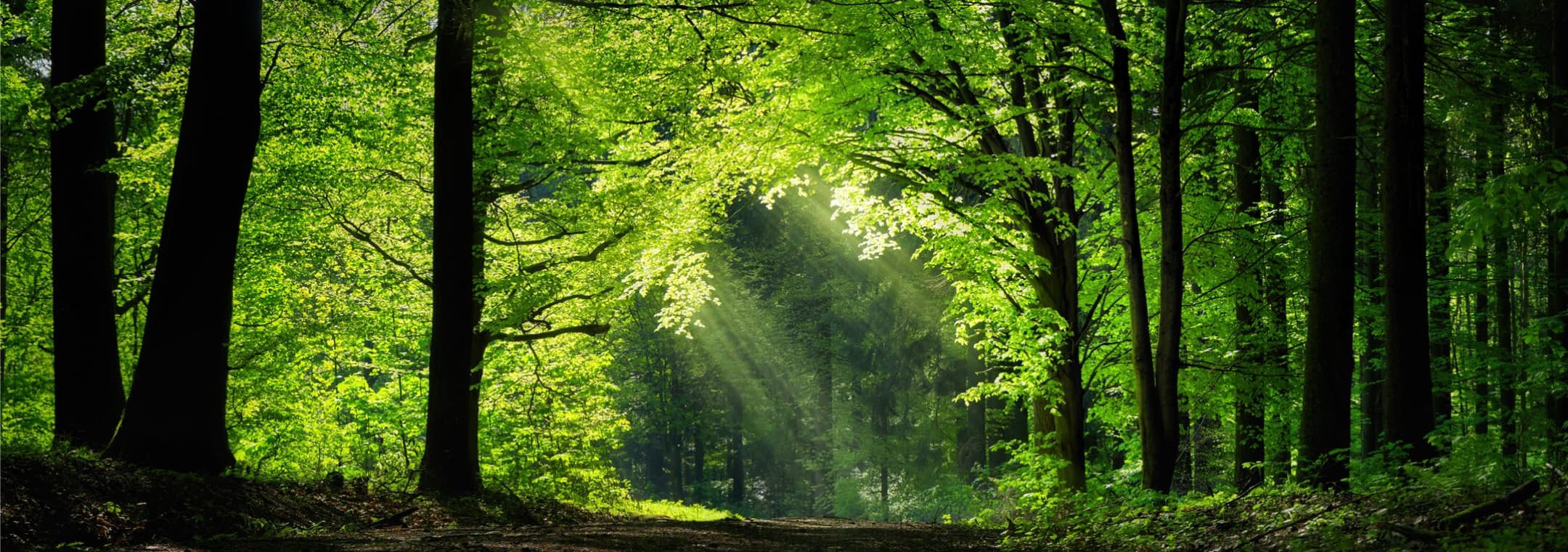 Forest Therapy
Forest therapy originated in Japan, where researchers have been studying its physiological effects for many years. It appears that forest therapy does have measurable health benefits; for example, it can lower levels of salivary cortisol, the hormone that rises when we’re under stress. One Japanese study showed that gazing at forest scenery for as little as 20 minutes reduced salivary cortisol levels by 13.4 percent. Forest therapy can also lower blood pressure and heart rate and trigger a dramatic increase in the activity of natural killer (NK) cells (produced by the immune system to ward off infection and fight cancer). Spending three days in the forest has been shown to increase NK activity by 50 percent, a beneficial effect that can last up to one month.
Most recently, researchers from UK’s University of East Anglia analyzed 143 studies of forest therapy including data on some 290 million participants from 20 different countries. Not only was forest bathing associated with lower levels of cortisol, lower blood pressure and heart rate, it also lowered blood cholesterol and reduced rates of diabetes, coronary heart disease, stroke, asthma and death from heart disease. In addition, it was associated with decreased risk of preterm birth and lower all-cause mortality. Some studies suggested that forest therapy helped people sleep better and improved outcomes in those with cancer and neurological conditions. Finally, people exposed to forest therapy were found to be more likely to report that their overall health was good.
"John Muir wrote, “Thousands of tired, nerve-shaken, over-civilized people are beginning to find out that going to the mountains is going home. Wilderness is a necessity.”
Whittemore Preserve includes Whittemore House and 11 miles of trails for hiking, dog walking, and horseback riding. Trails traverse mainly wooded areas with wetlands, ravines, and hilly terrain. The sanctuary also serves as the perfect stage for birders and nature lovers to view local avian species and other wildlife.
Whittemore Preserve was bequeathed to Tewksbury Township by the beloved Helen A. Whittemore. She was a nature lover and diarist who wanted her land and house to be preserved so that others may be awed by the natural world and inspired by its beauty to preserve it.
The Northern New Jersey Cachers, NNJC is about promoting a quality caching experience in Northern New Jersey. For information on The Northern New Jersey Cachers group you can visit: www.nnjc.org.
 nnjc.org & metrogathering.org and njpatriots.org